
What retail shops usually need first
When a shop is opening, changing layout or refreshing its frontage, the first items to sort out are usually the signs customers see before they even step inside. That can include open and closed signs, counter signs, product category markers, shelf talkers, window decals backed by wooden plaques and small display stands for specials or new stock.
We work with owners, managers and franchise teams who want the store to look organised without spending money on things that will be replaced in a few months. A good retail set should make the shop easier to shop in, guide customers to the right section and carry the same look from the entrance to the till point. For stores in coastal towns like Strand or Hermanus, material choice matters too because humidity can affect cheaper timber and finishes if they are not sealed properly.
Typical retail pieces we make
Each shop has different floor space, wall space and stock type, so the mix of items changes. Some stores need a small starter set for the till area and window, while others need multiple signs for departments, specials and seasonal displays. We design, cut, engrave, assemble and finish the pieces in Somerset West, then courier them packed for travel if the store is outside the Western Cape central belt.
- Open and closed signs for doors, gates and front windows
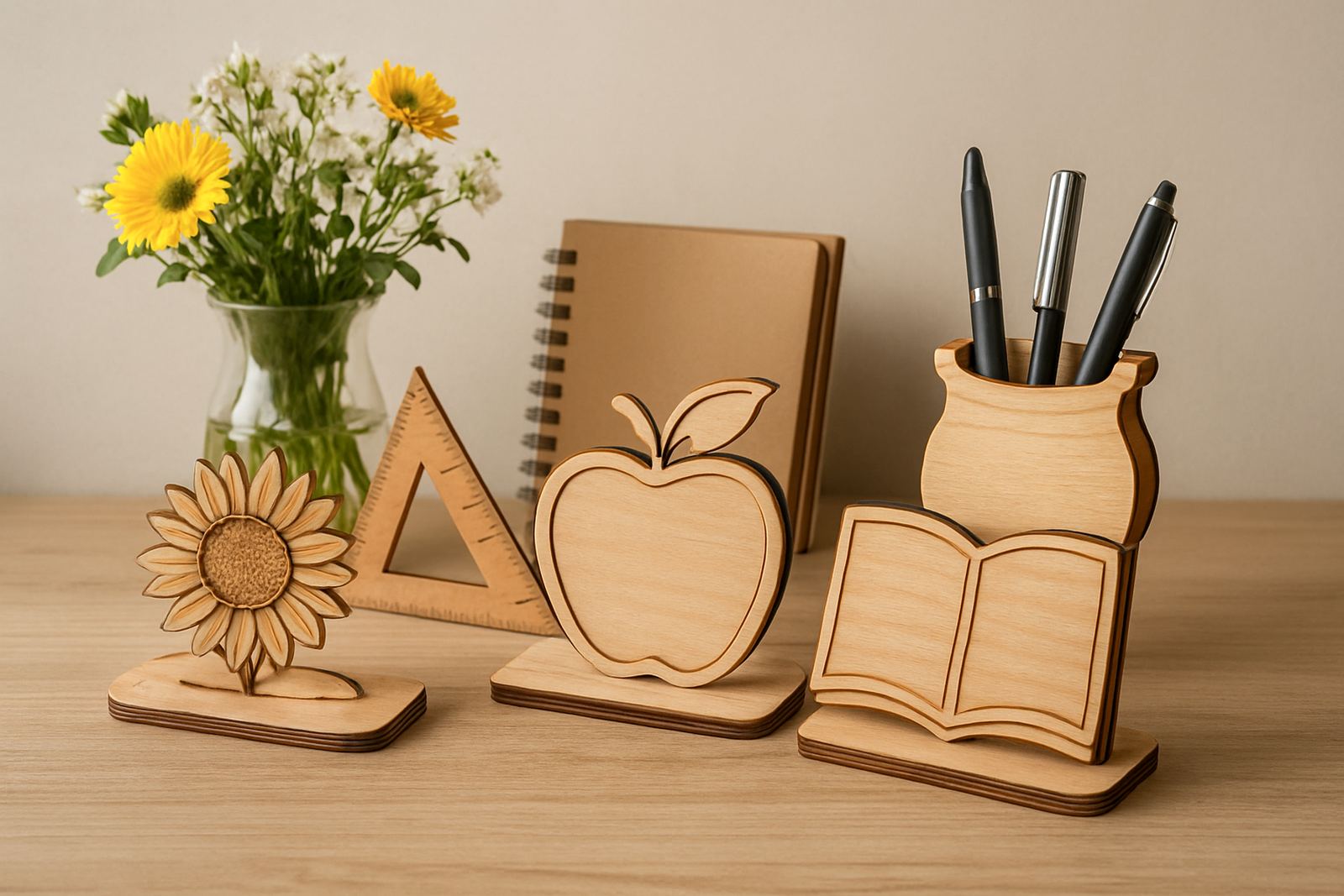
- Counter-top display stands for cards, vouchers and small products
- Price markers and category signs for shelves and bins
- Window branding plaques and hanging signs for promotions
- Directional signs for fitting rooms, tills, collections and returns
- Gift cards or loyalty display holders for point-of-sale areas
For larger rollouts, we can produce the same style across several branches so a store in Durbanville and another in Paarl still feel like part of the same group.
Planning the layout so customers notice it
Retail signage works best when it is placed where the eye naturally goes. For most shops that means the front door, the area above the till, the main wall behind featured stock and the edge of each product bay. If the shop is small, too many signs can make it feel crowded, so it is better to choose fewer pieces with stronger placement than to fill every wall.
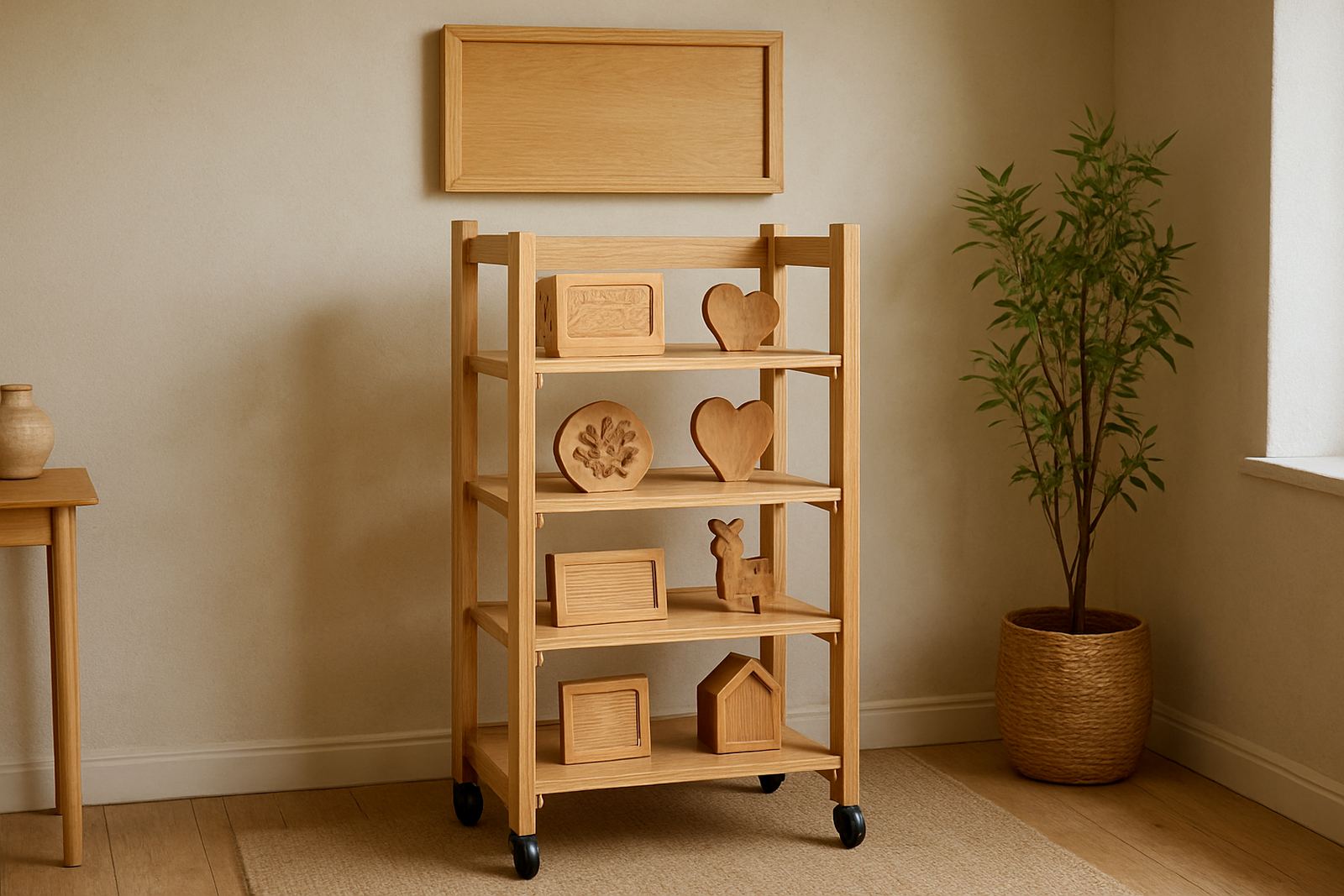
We normally ask for photos of the interior, rough measurements and a list of what the store needs the signs to do. That gives us enough to suggest sizes, fixing methods and a sensible order of work. In some cases a simple wall-mounted sign is enough. In other cases a layered sign or freestanding stand gives better visibility, especially where customers are moving quickly past the entrance.
- Measure the wall or window area before approving a size
- Leave clear space around the main sign so it can be read from 2 to 5 metres away
- Match the sign position to the route customers actually walk
- Keep brand colours and font style consistent across all pieces
- Choose fixings that suit tiled walls, painted walls or glass
Choosing materials for shop traffic and coastal conditions
Retail pieces need to handle daily touching, cleaning and moving stock around them. That means the finish must be neat, the edges must be smooth and the fixing points must be practical. For a shop near the sea, especially around Somerset West, Gordon's Bay or Strand, we also think about moisture and salt in the air. Sealed timber and the right finish help signs stay presentable for longer.
Laser-cut wood gives a clean, warm look that suits clothing stores, homeware shops, gift stores, salons and speciality retailers. It also works well when a shop wants something more natural than plastic but still professional. Where a sign will be handled often, we may suggest thicker material, layered construction or a finish that stands up better to fingerprints and cleaning cloths. The goal is a piece that still looks good after months on the floor not only on installation day.
Common mistakes retail owners run into
The biggest mistake is ordering signs before the store plan is settled. If shelving changes later, a beautiful sign can end up in the wrong place or blocked by stock. Another common issue is choosing a size that looks fine on a computer screen but is too small once it is on the wall. Lighting also gets overlooked, so a dark sign can disappear in a dim corner.
We often see shops using too many different colours, or mixing styles from several suppliers, which makes the space feel uneven. It is also easy to forget practical details such as where staff will store spare signs, how a hanging piece will be fixed and whether the message needs to change for public holidays or sale periods. A little planning now saves replacement costs later.
- Ordering before the final store layout is approved
- Choosing signs that are too small for the viewing distance
- Using finishes that do not suit moisture or heavy handling
- Mixing styles that do not match the rest of the shop
- Forgetting spare sets for seasonal promotions or branch updates
Budget ranges for retail sign sets
Budgets vary a lot depending on quantity, size, layered detail and finishing. A small retail order for one shop such as an open and closed sign, a counter sign and a few shelf markers can start from around R850 to R2,500. A fuller set for a new store or refresh, including branded wall pieces and display stands, often falls between R3,500 and R12,000.
For multi-branch or bulk orders, pricing is usually better once the design and cutting setup is done. Larger runs for several stores across Cape Town, Stellenbosch, Paarl and Hermanus can range from R12,000 upwards depending on how many items are needed. If you only need a prototype sample first, that can be planned as a smaller spend before the main order goes into production.
When clients use our enquiry form, we look at the store size, the number of signs, the final finish and where the order needs to go. That makes it easier to give a useful quote without guessing, and it helps keep the project within budget from the start.