




How to use the Journal before you order
This journal is a practical starting point for anyone planning a personalised wooden piece, whether it is for a home in Somerset West, a wedding in Stellenbosch or a shop counter in Cape Town. Each article looks at one part of the process, from choosing the right wood thickness to deciding how much detail will still read clearly once it is cut or engraved.
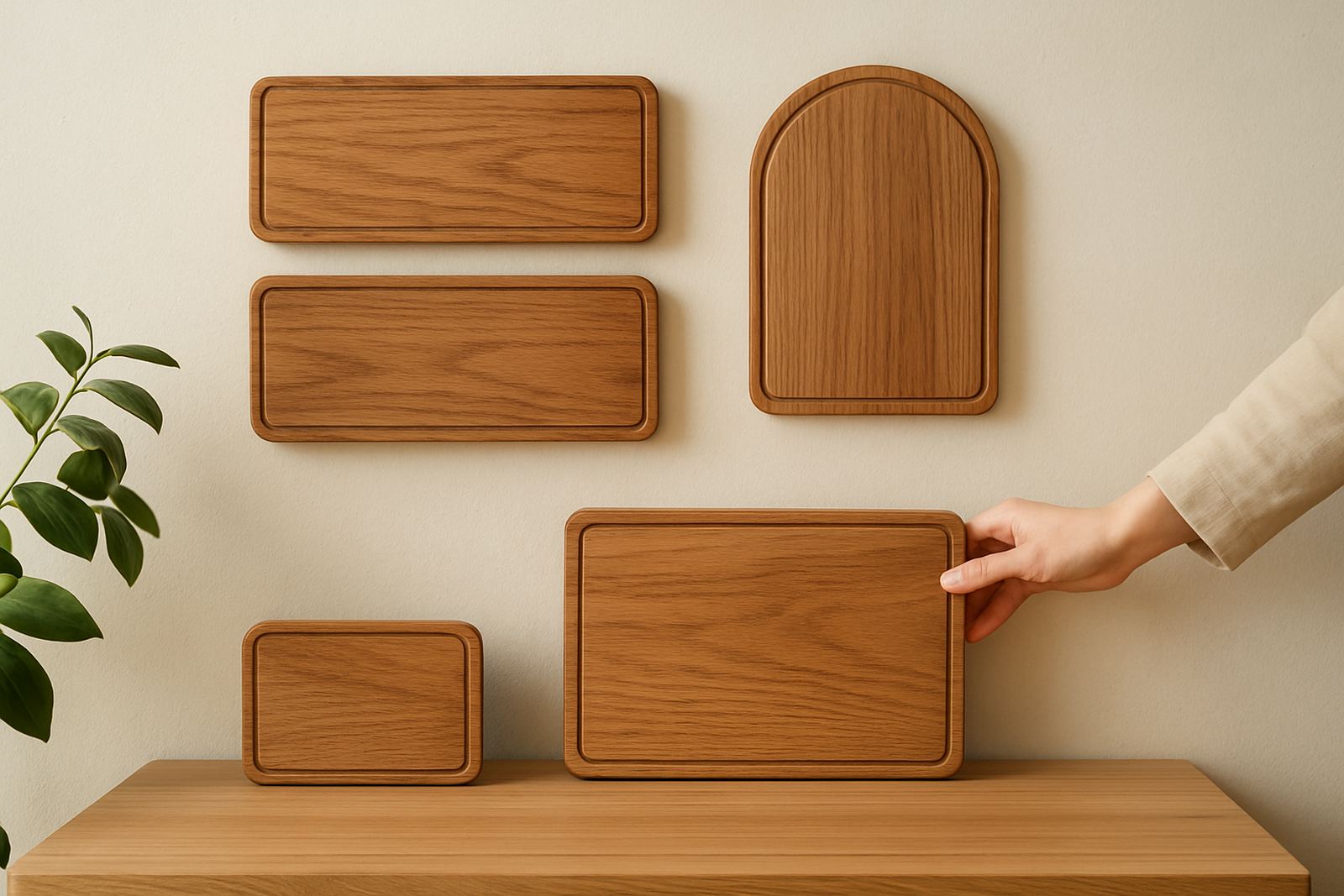
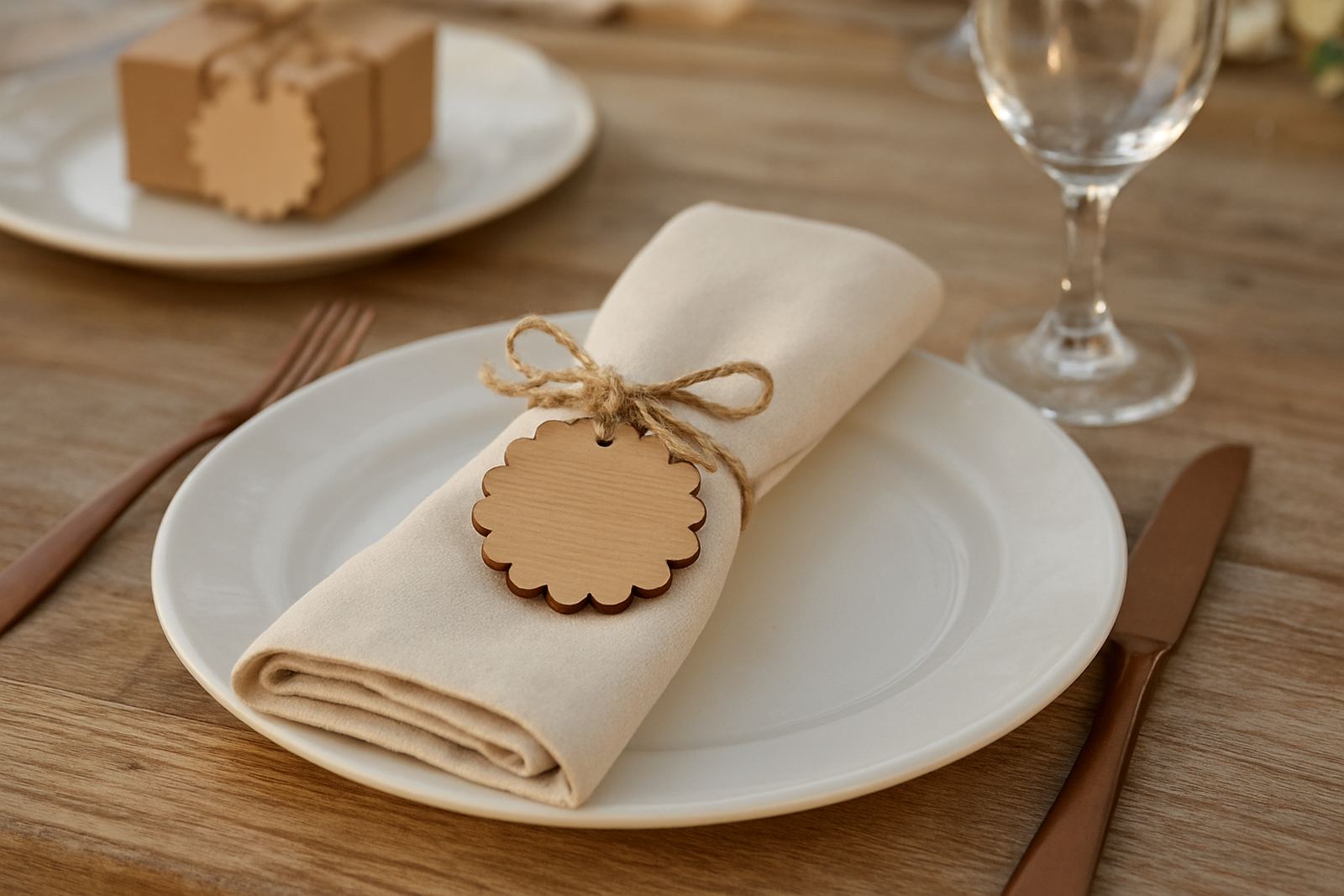
If you are not sure where to begin, start with the use case. A wall sign for a humid coastal space needs different finishing from a gift for an indoor office or a set of event table markers. For bulk orders, it also helps to think about repeat size, turnaround time and packing, especially if items are going by courier to Paarl, Hermanus or further afield.
- Pick by purpose first: gift, sign, decor or branding piece.
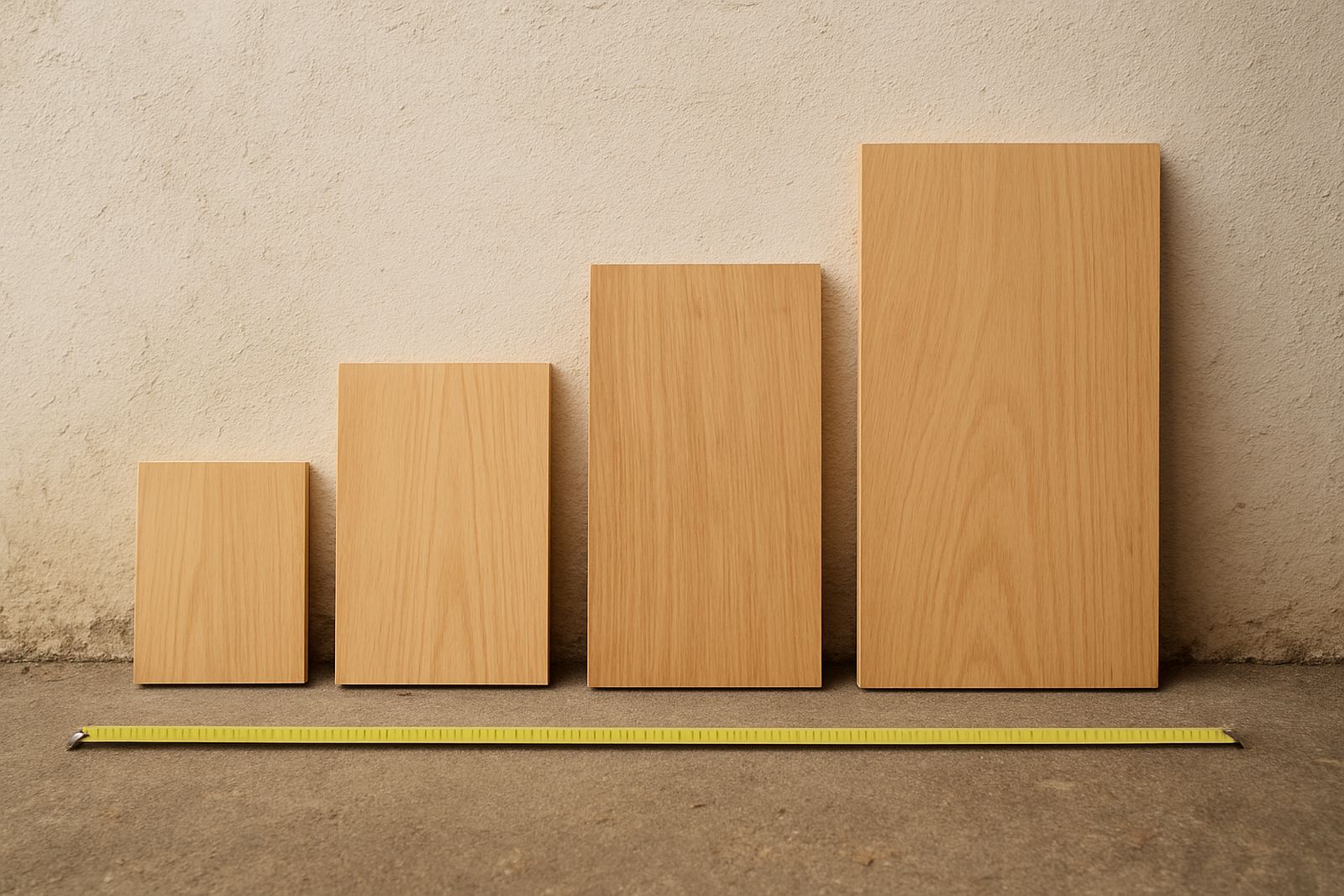
- Check the size range you need before you settle on wording.
- Think about indoor or outdoor placement, lighting and moisture.
- For batch work, keep names, dates and spellings final before production.
Materials, thickness and finish notes from the shop
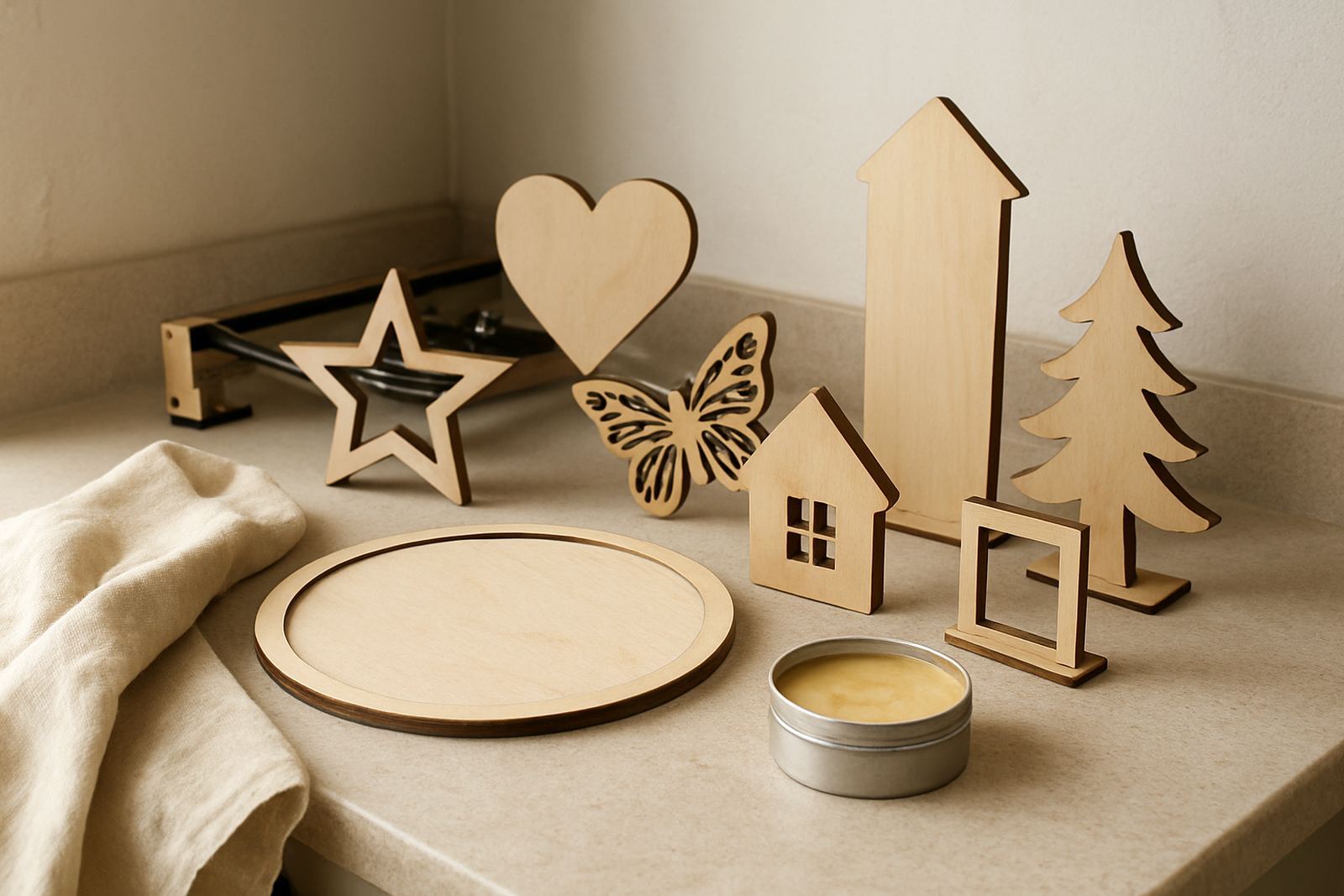
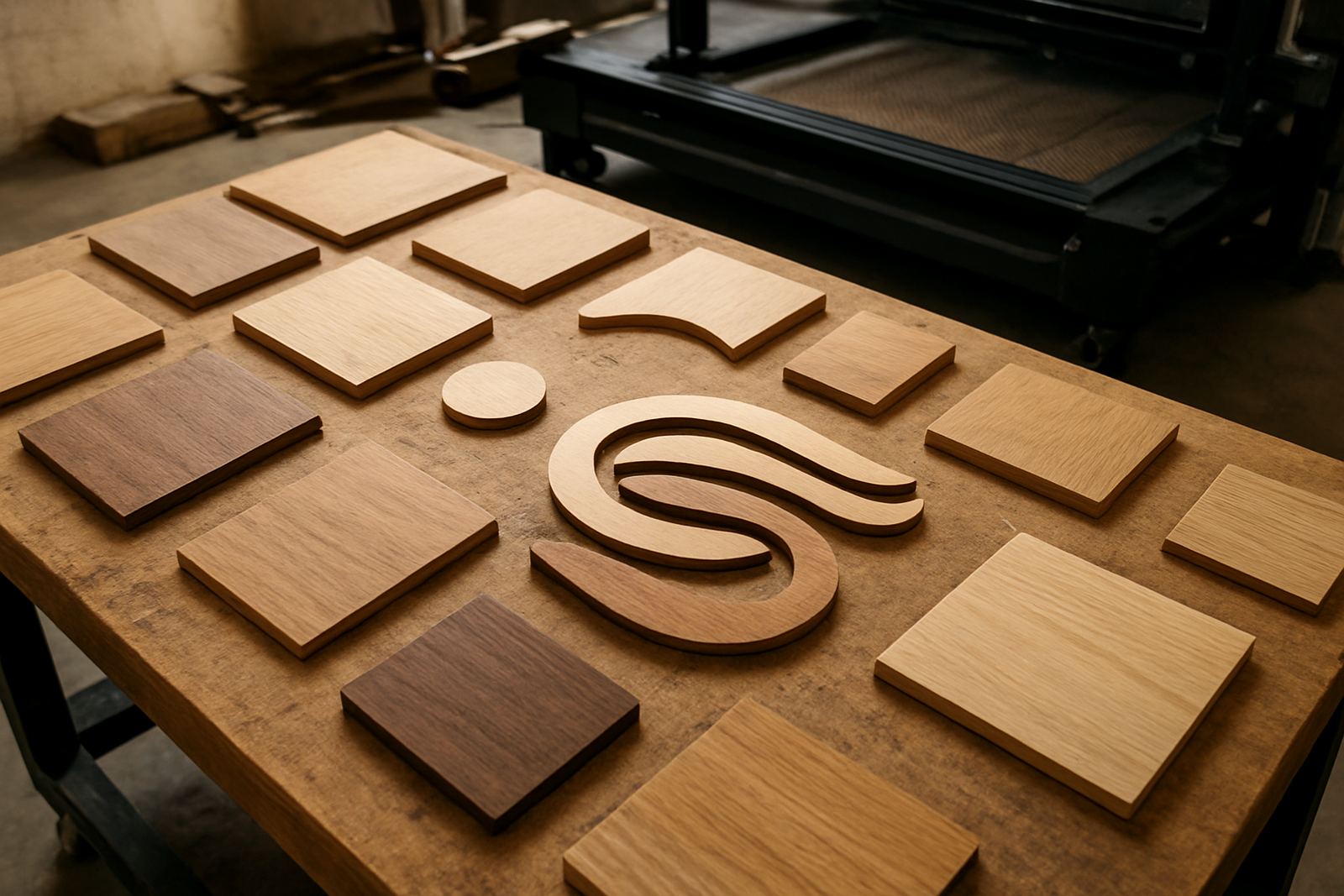
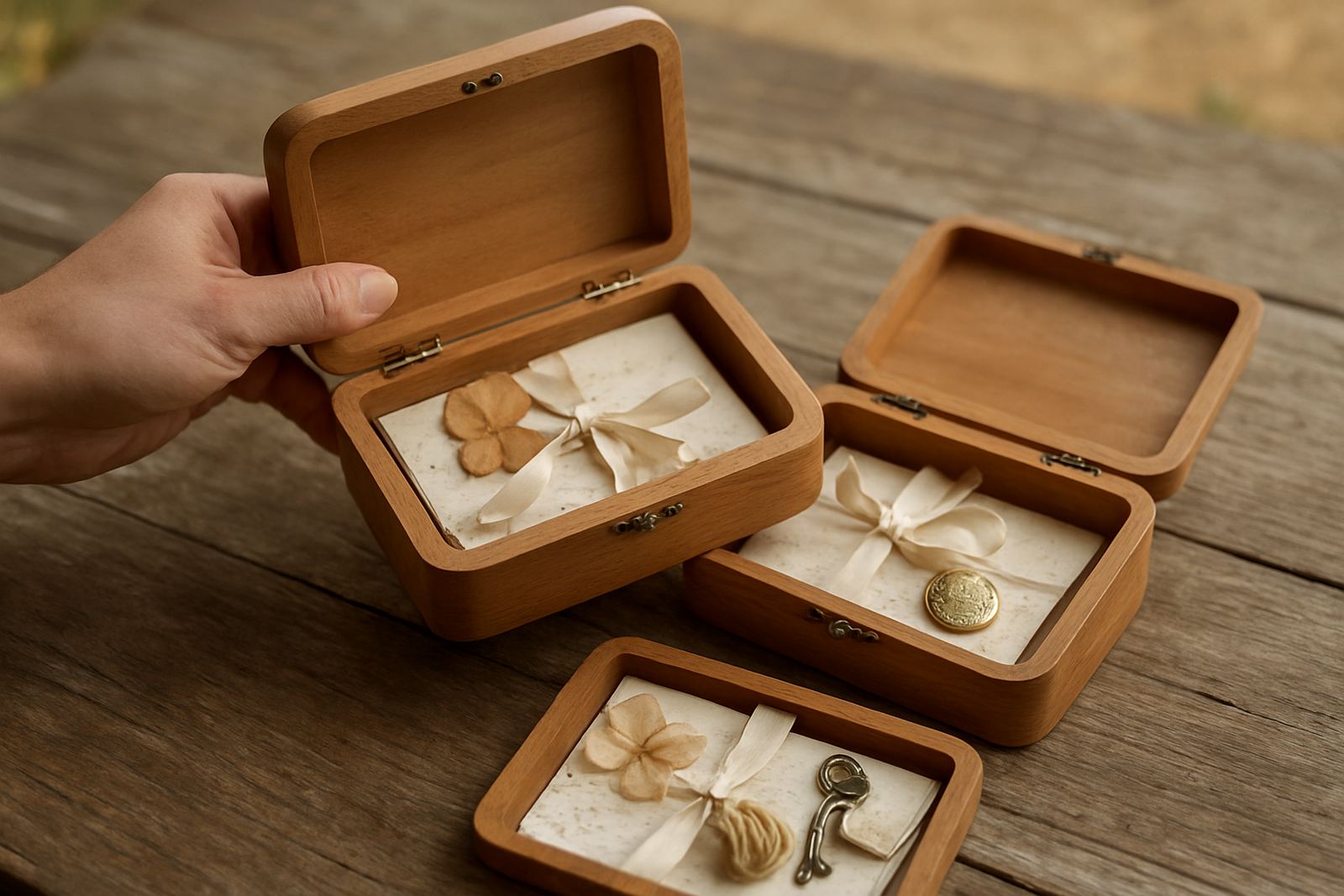
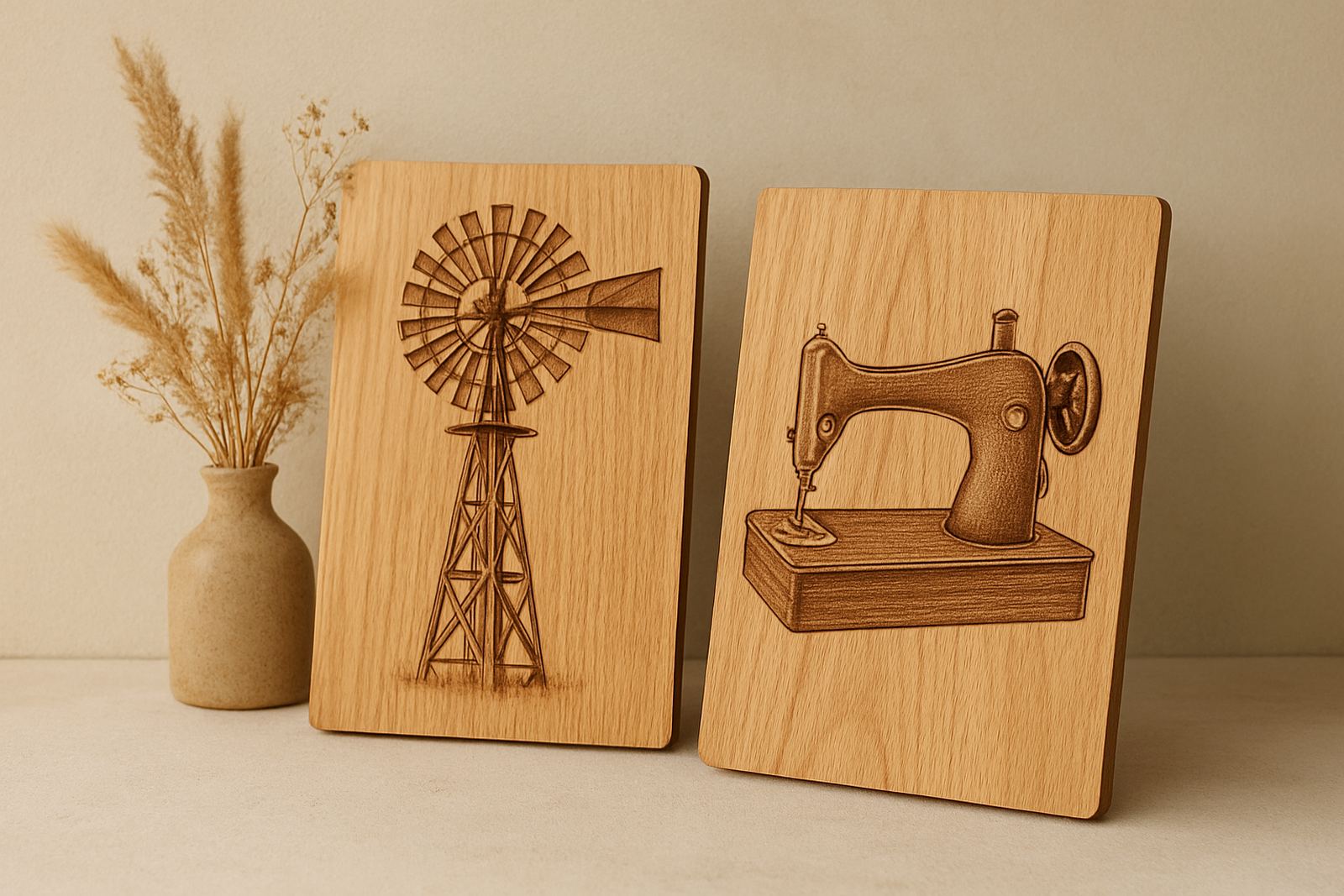
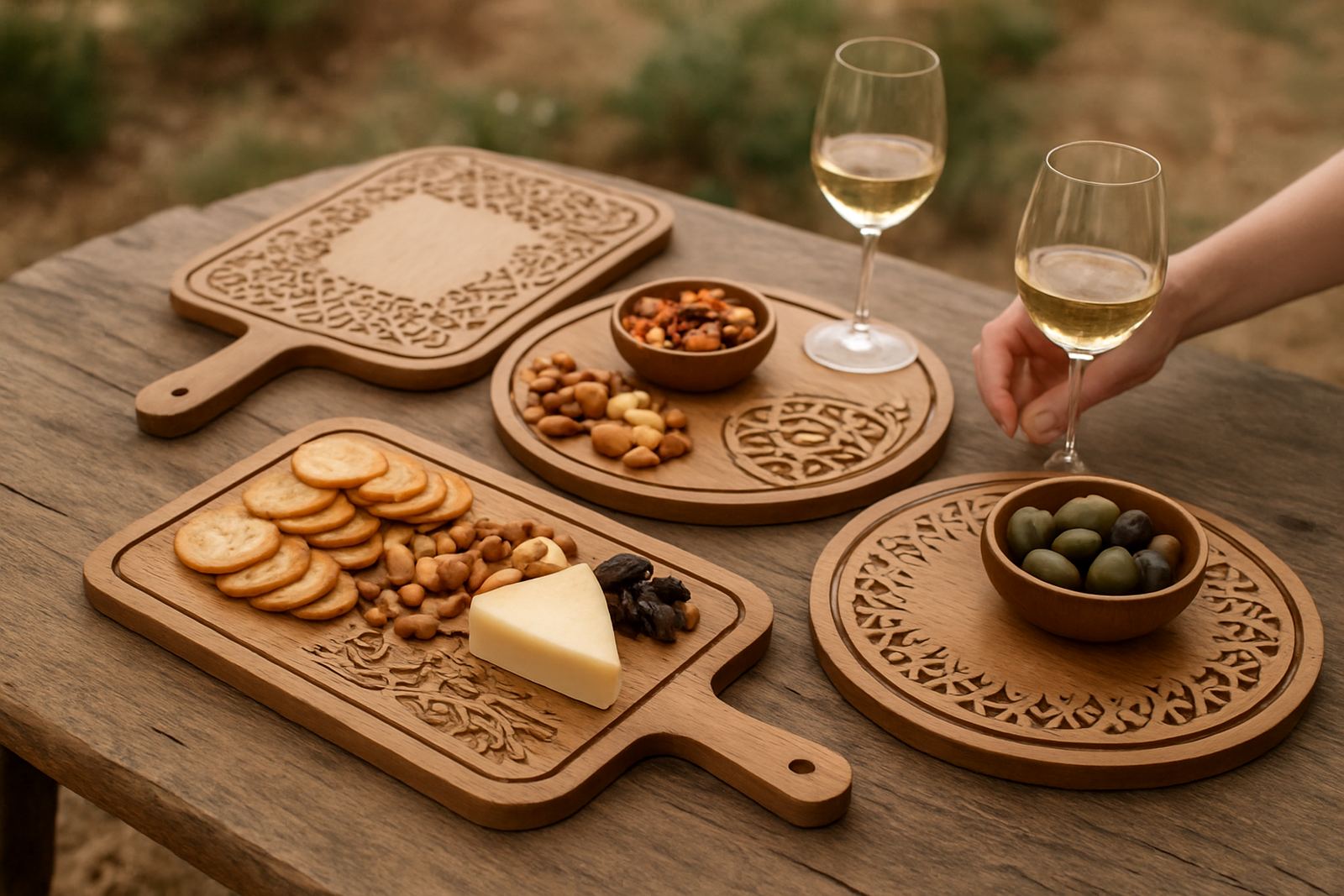
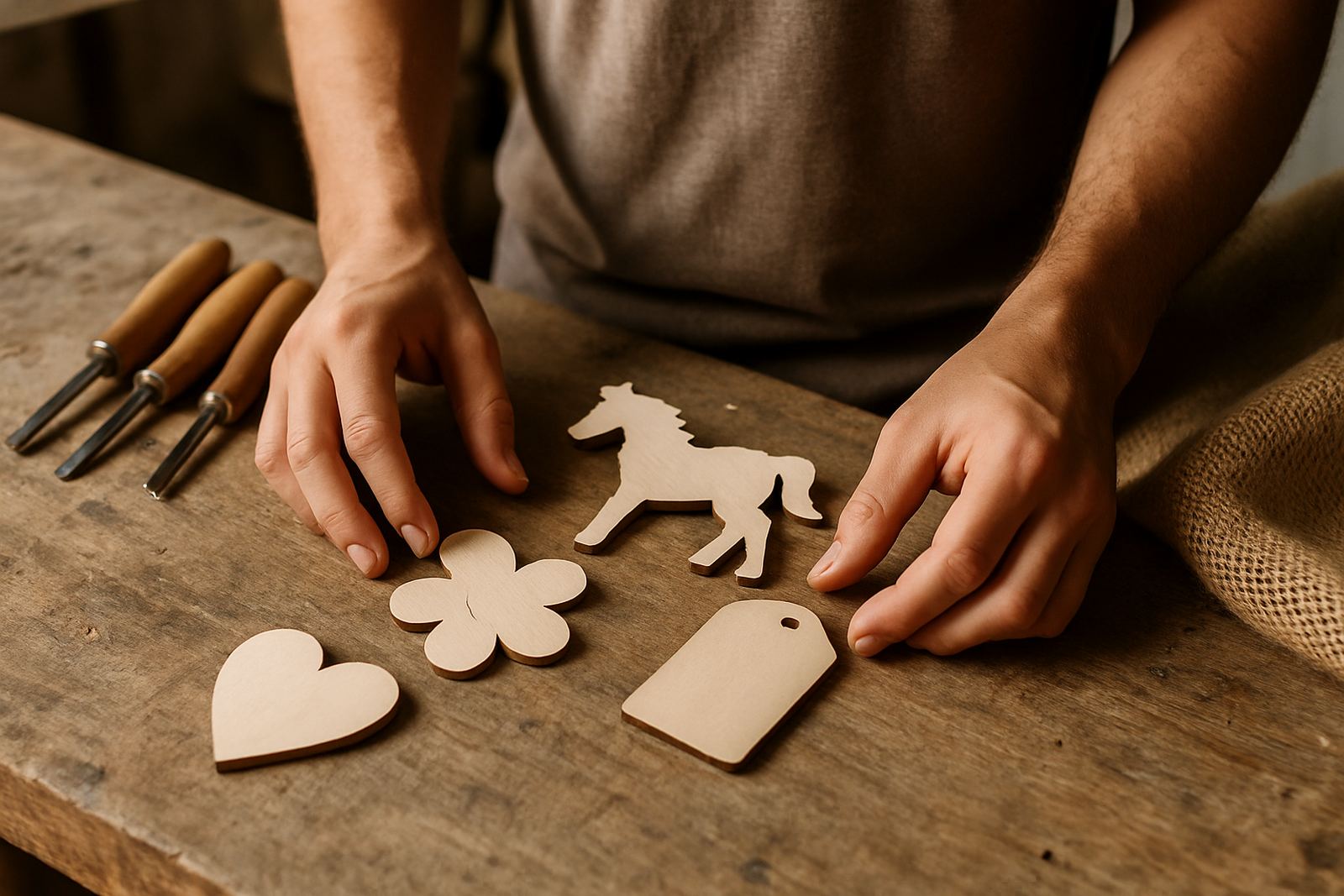
Wood selection makes a big difference to the final look. Lighter boards suit clean engraving and layered signs, while darker tones can give more contrast for simple text and logos. Some pieces need extra sanding and finishing so edges feel smooth in the hand, especially for gifts that will be handled often or packed with keepsakes.
We also look at how the material will behave in real South African conditions. In coastal areas like Gordon's Bay, Strand and Hermanus, humidity can affect natural materials if they are not sealed properly. In inland homes and offices, the main concern may be sunlight, dust or repeated handling. That is why the same design is not always the best fit for every space.
- Choose engraving for fine detail and a natural wood look.
- Choose layered cutting when depth and shadow matter.
- Ask for finishing if the item will be touched often.
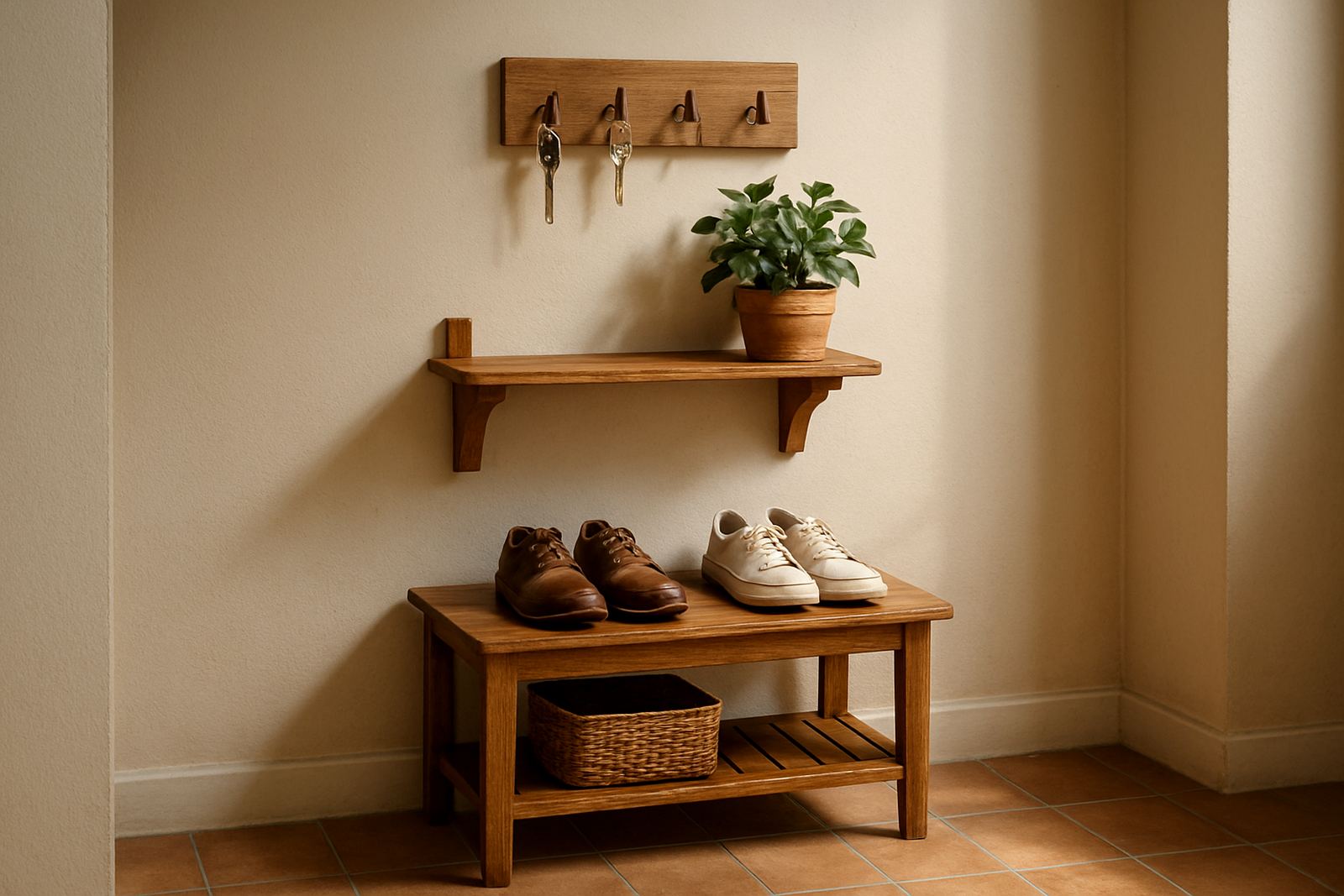
- Let us know if the piece will sit in a kitchen, foyer or shopfront.
Gift ideas that feel personal without becoming cluttered
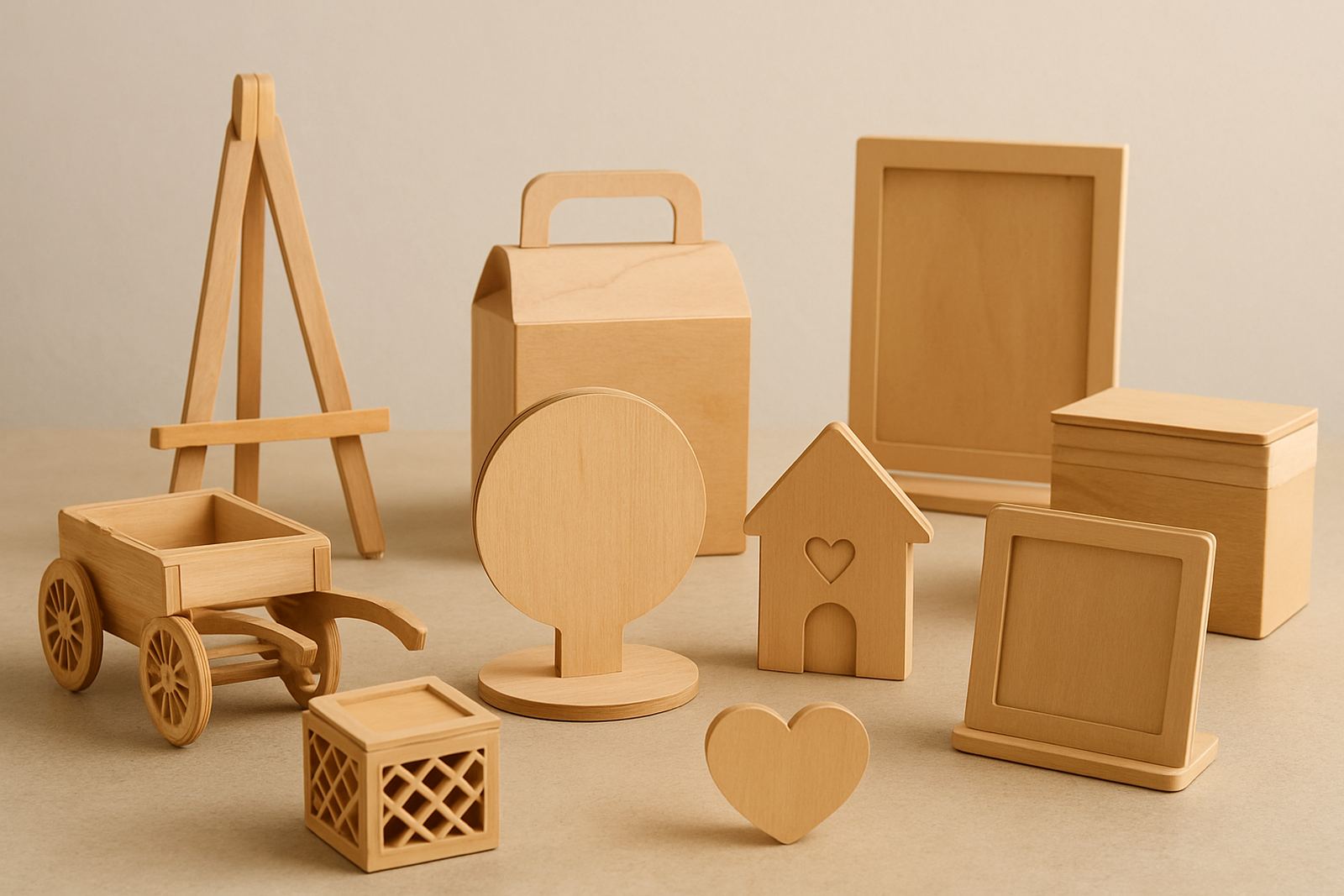
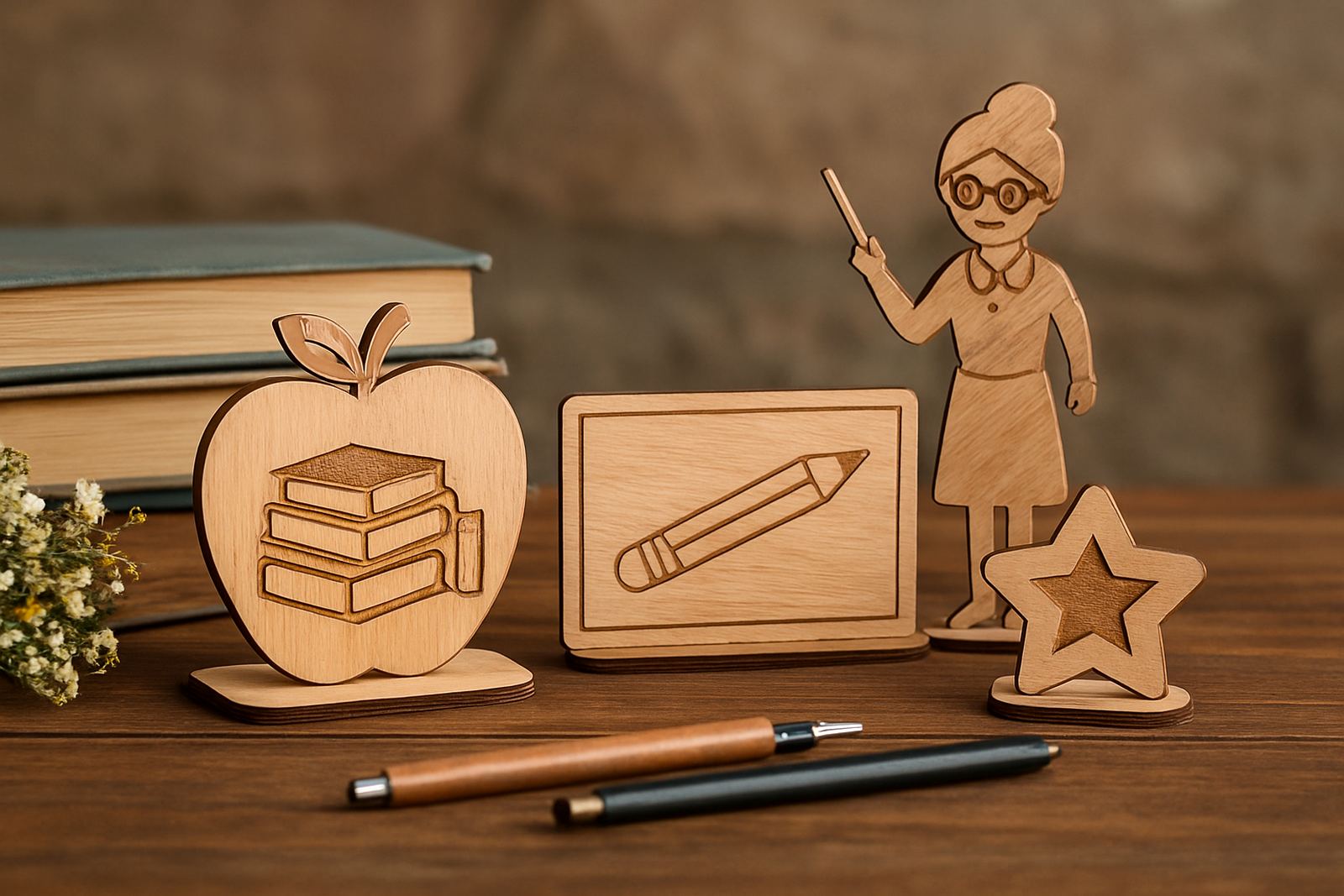
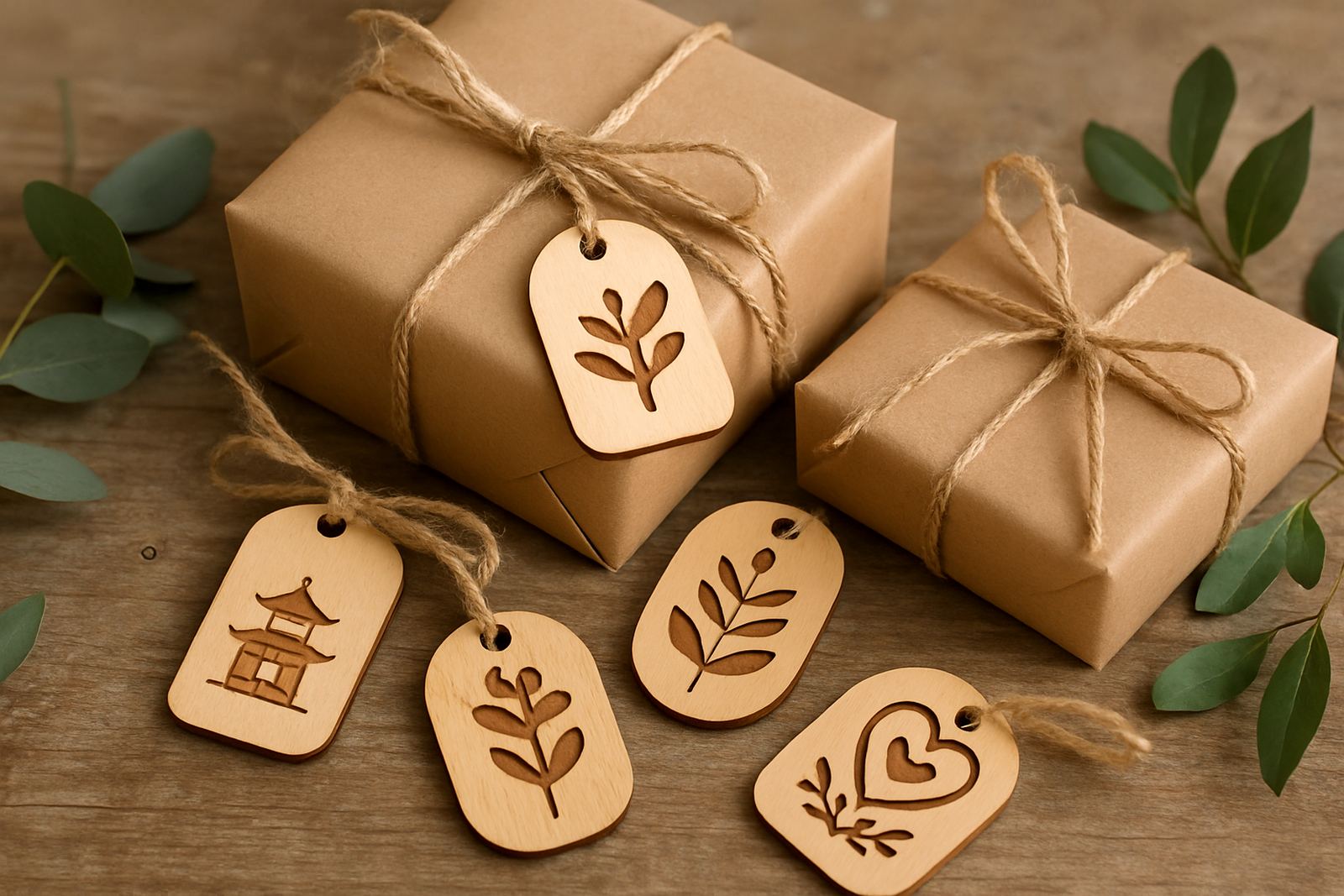
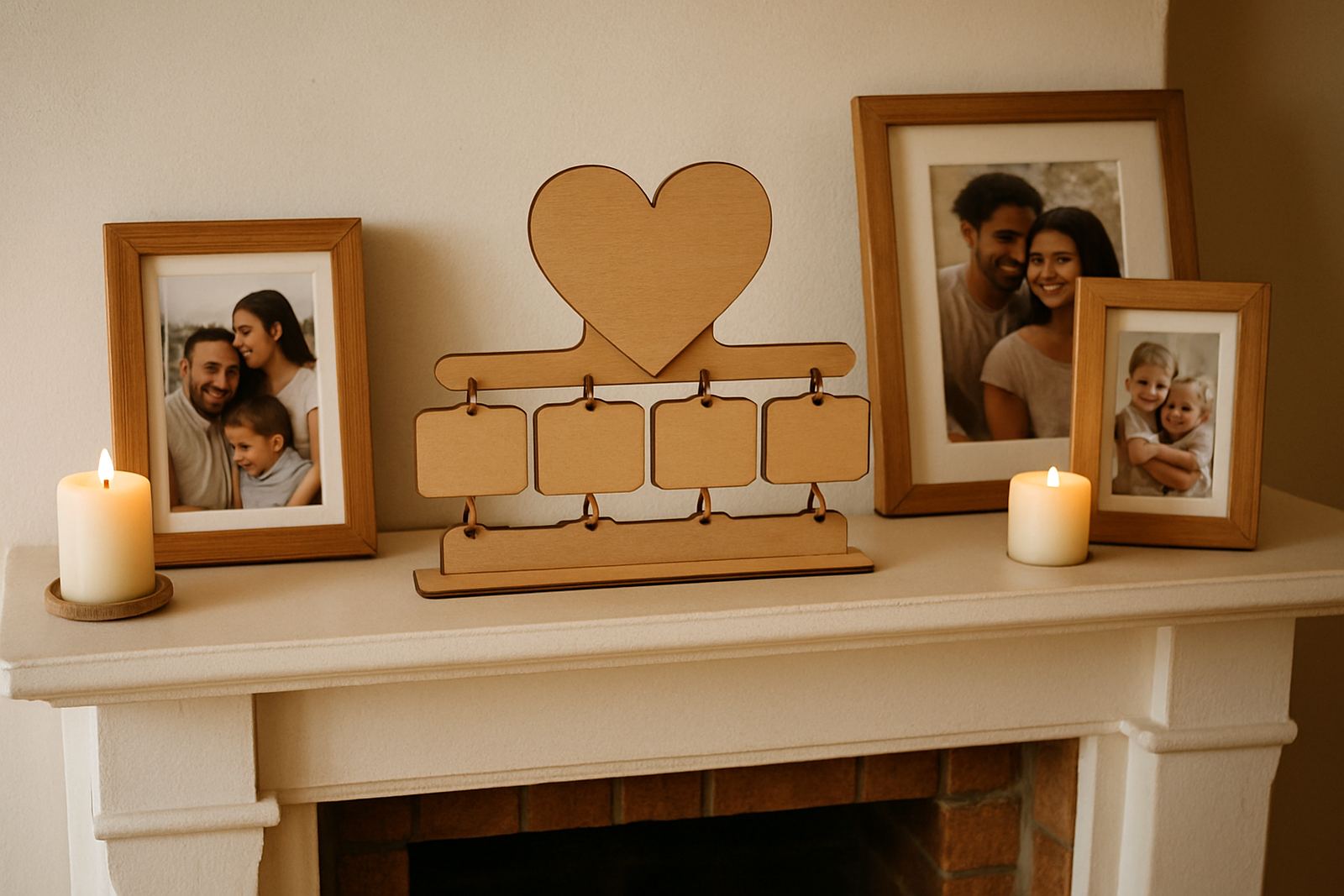
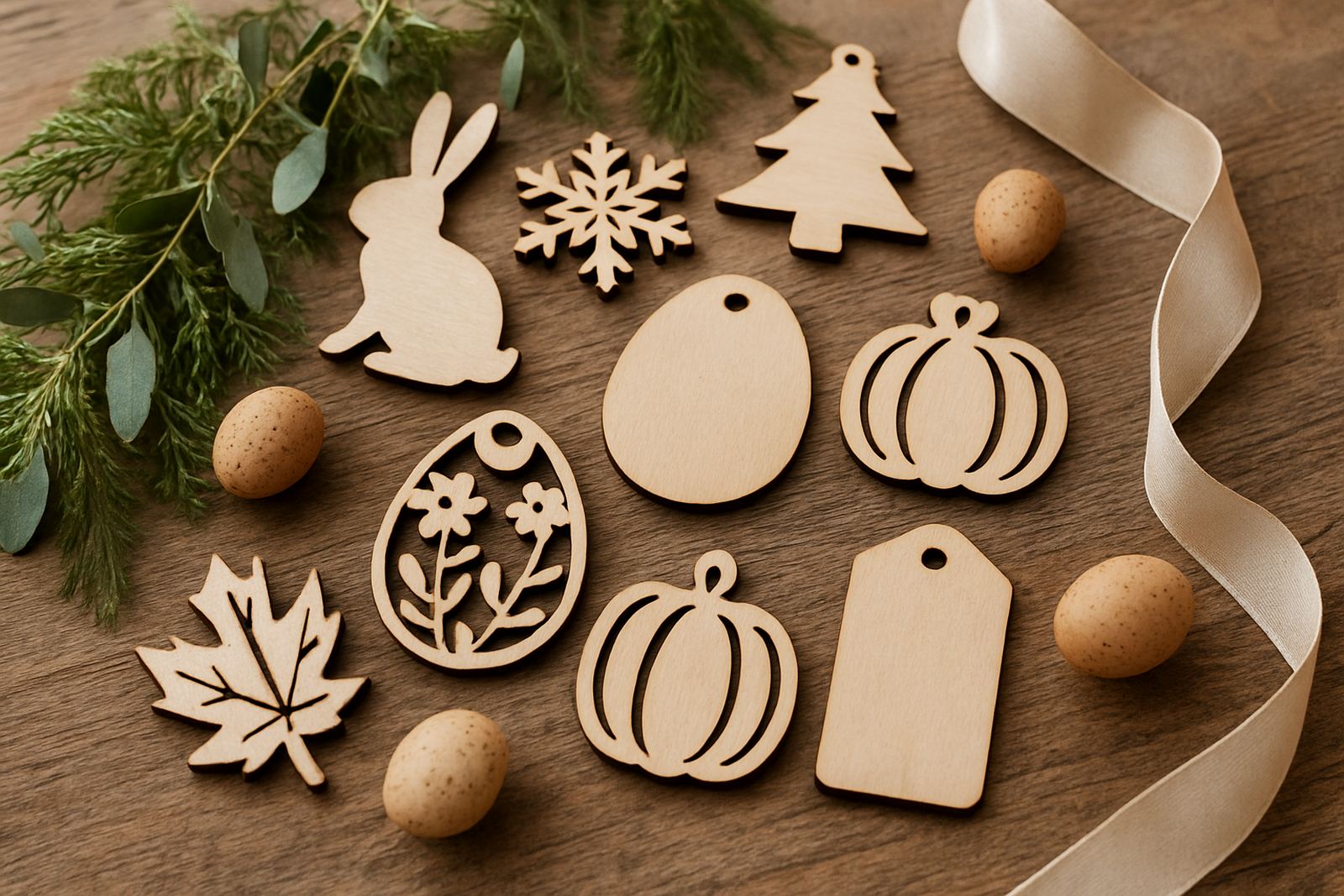
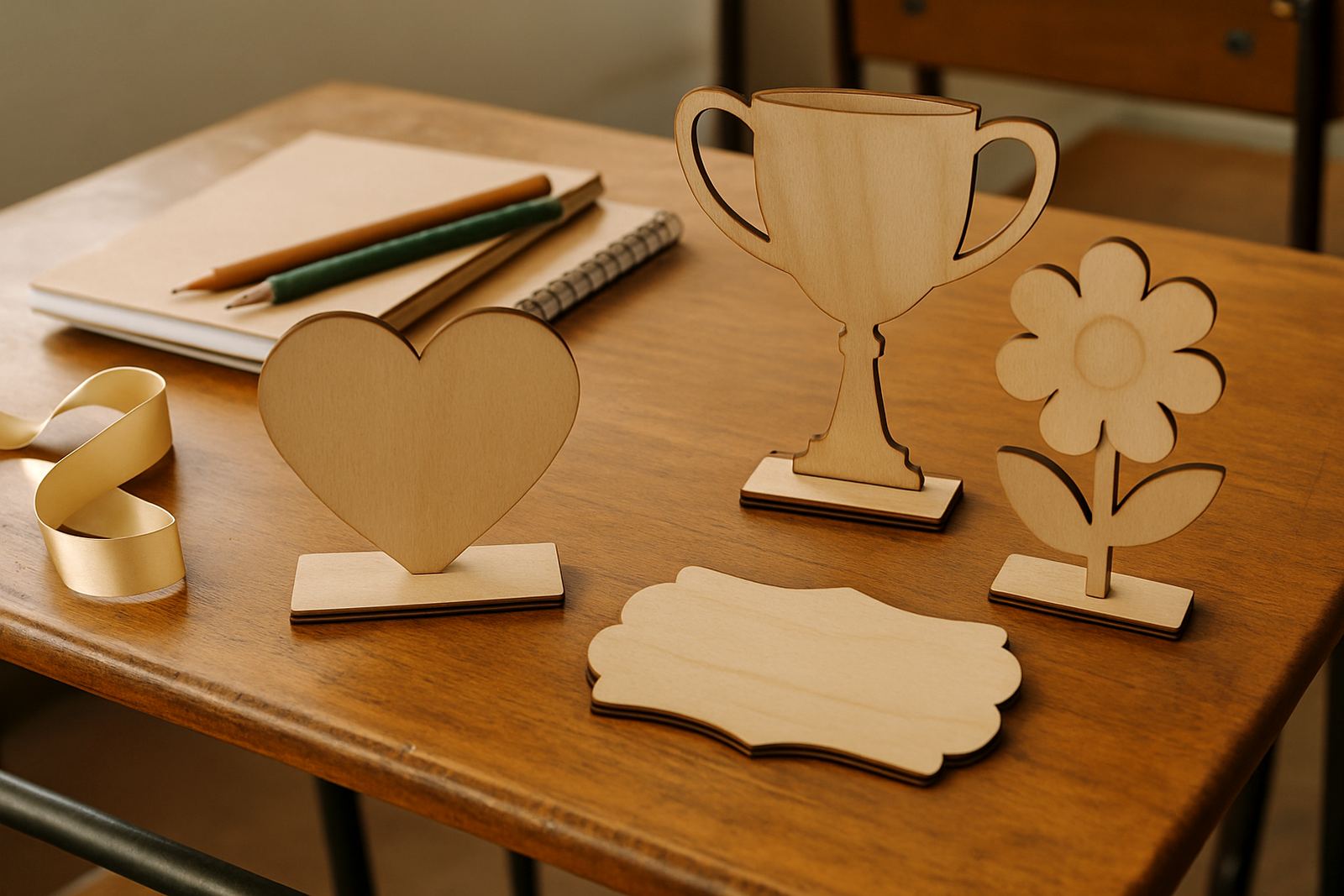
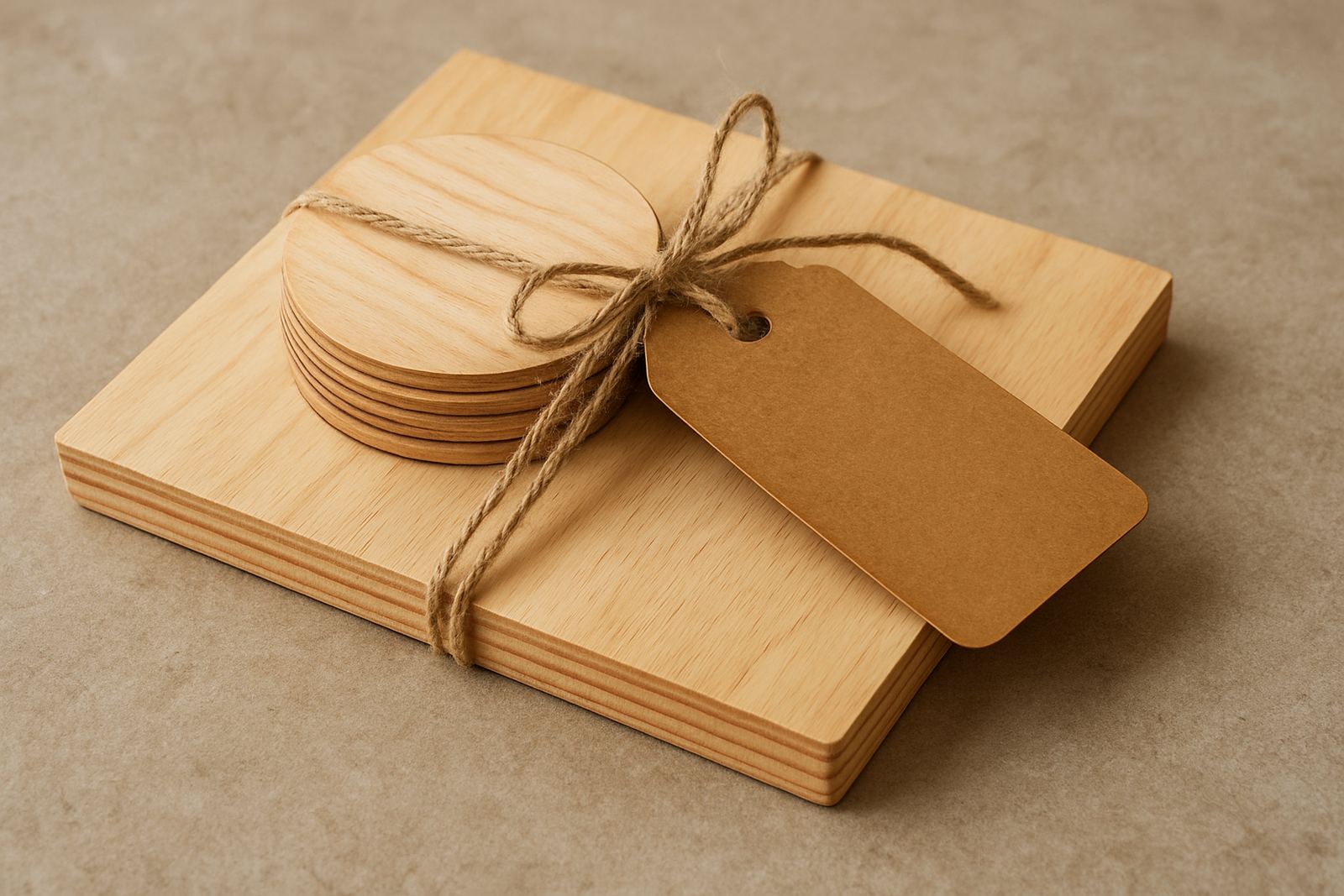
Personalised gifts work best when the message is clear and the layout stays simple. A name, date, short line or family reference often says more than a long sentence. For birthdays, housewarmings, weddings and corporate thank-yous, the strongest pieces are usually the ones that match the person or place rather than trying to say too much.
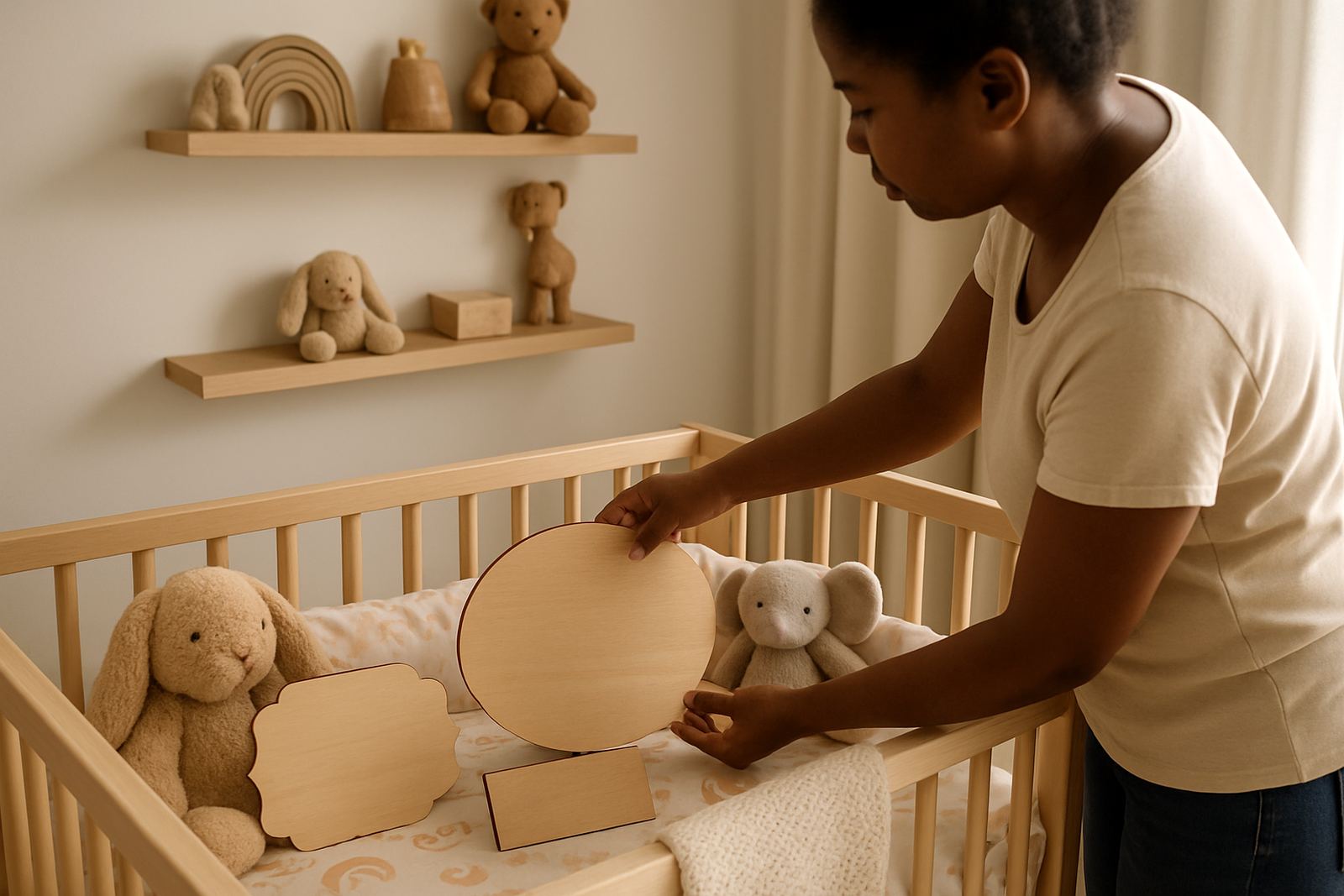
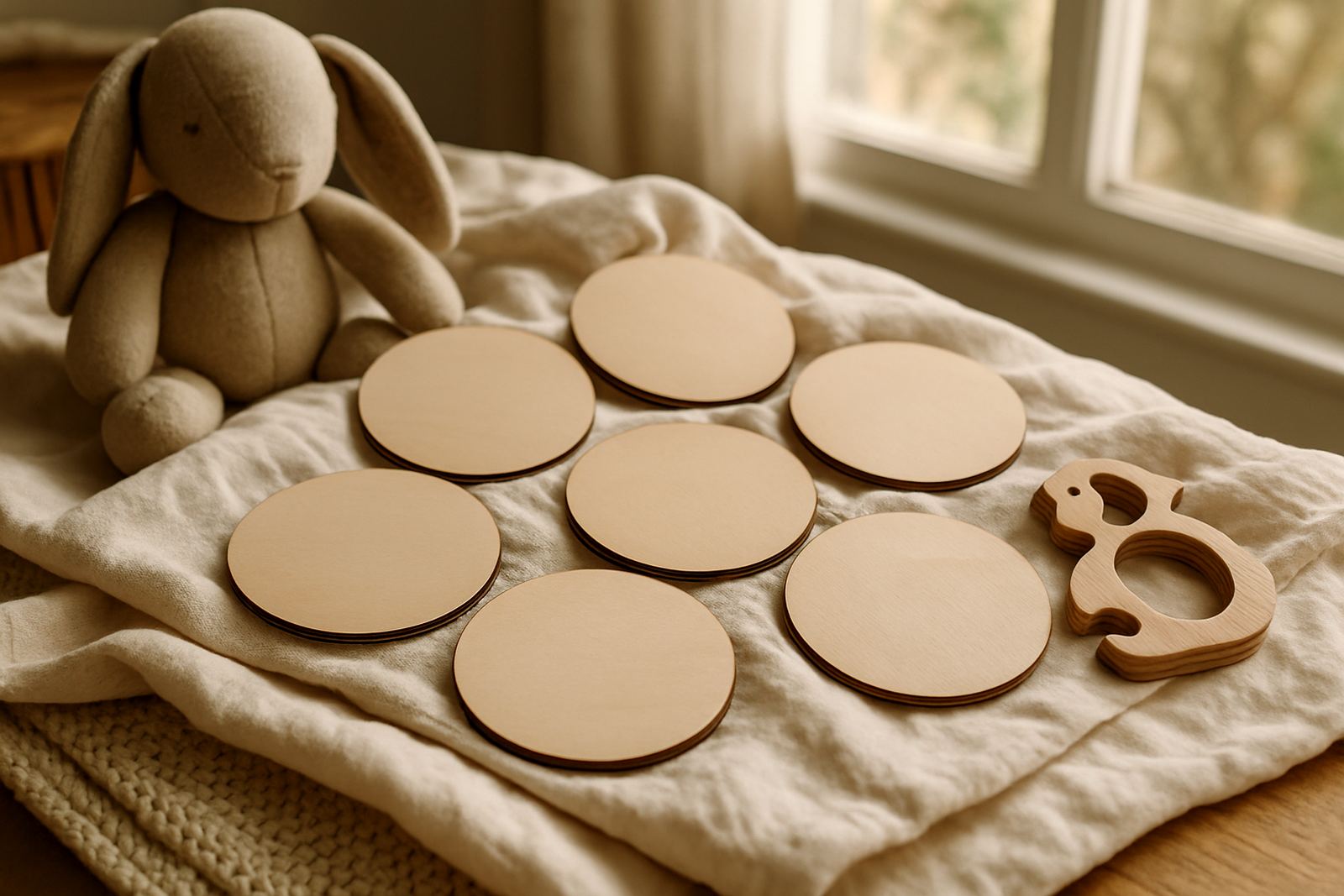
In the Journal we often share examples of how clients narrow down their choices. A nursery name plaque needs softness and legibility. A retirement gift may call for a more formal style. A corporate keepsake for a client launch should carry the right logo treatment and finish so it looks tidy on a reception shelf. For busy gifting periods, we also suggest ordering early so there is time for a proof, a sample if needed and packing.
- Keep wording short for smaller items.
- Match the gift to the room, event or person.
- Use one strong design element instead of too many.
- For large orders, group names and spellings in one clean list.
Planning signs for homes, shops and events
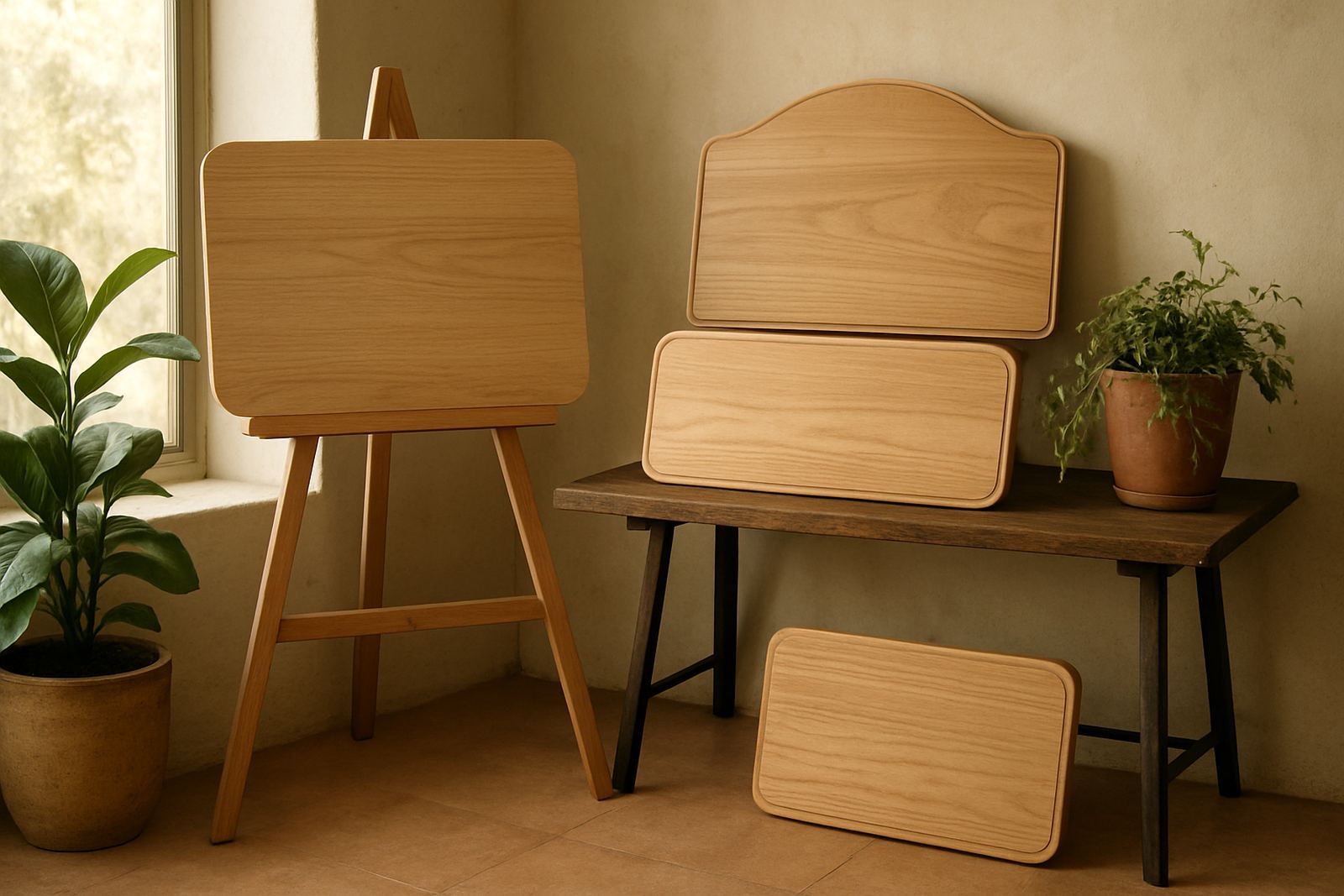
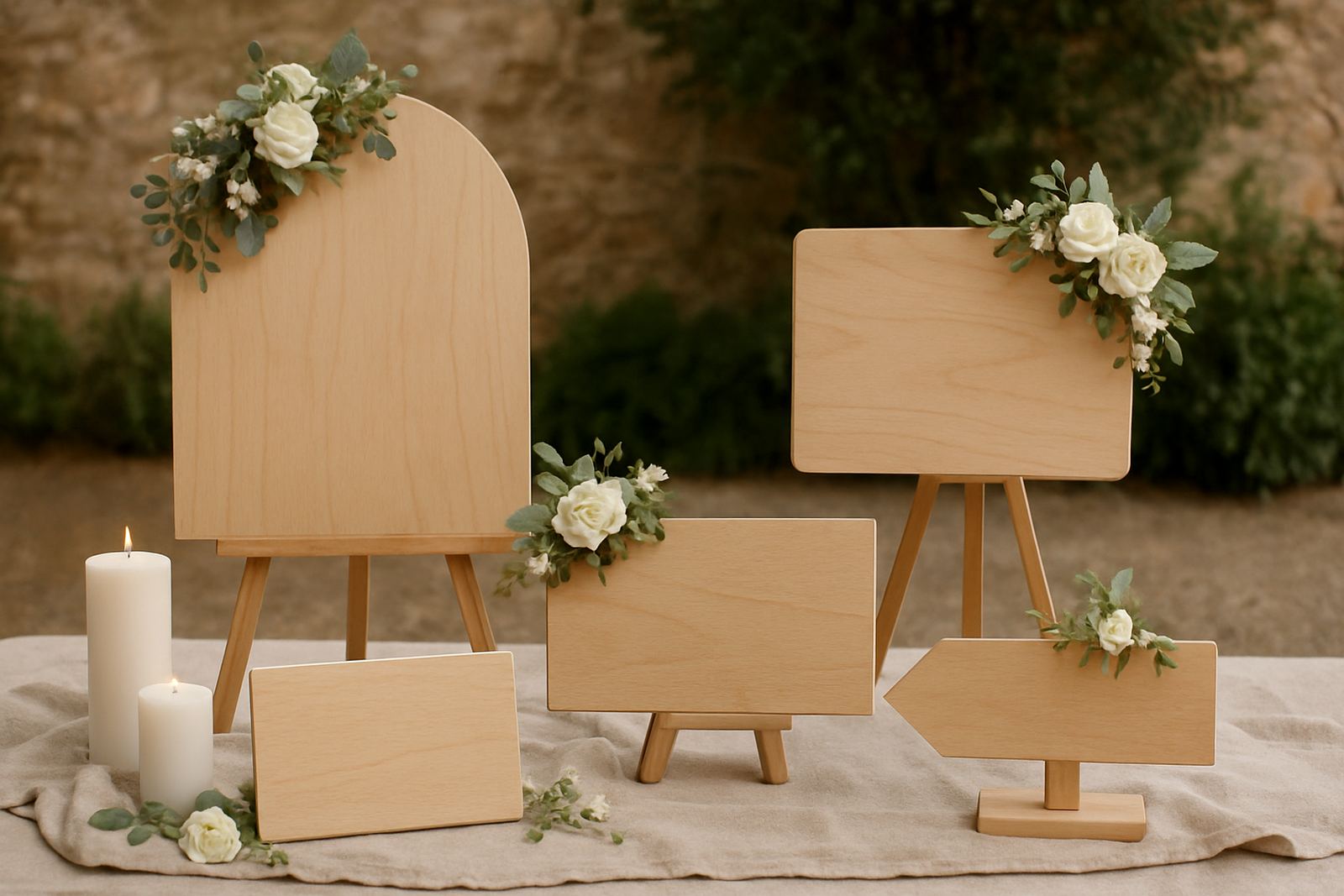
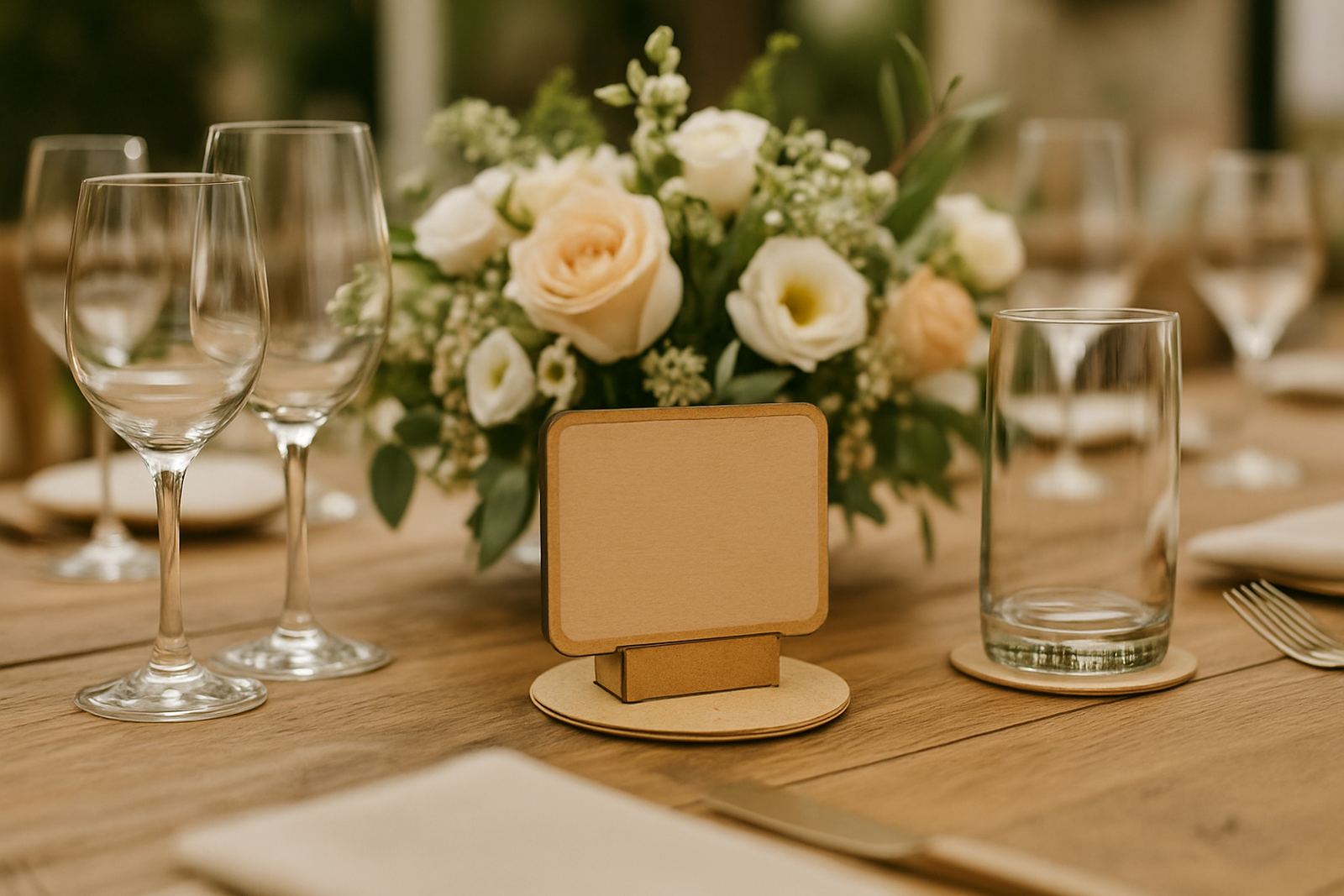
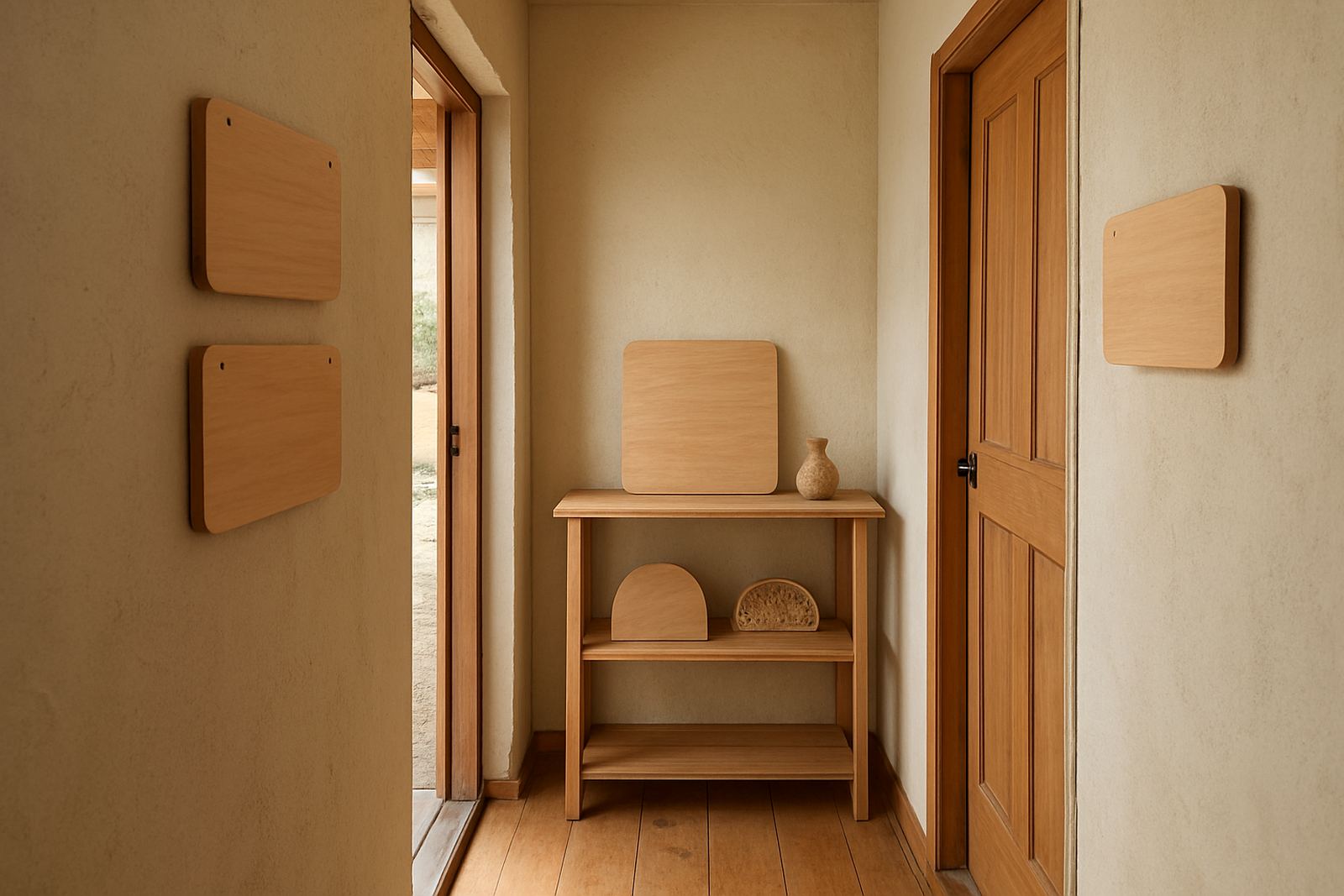
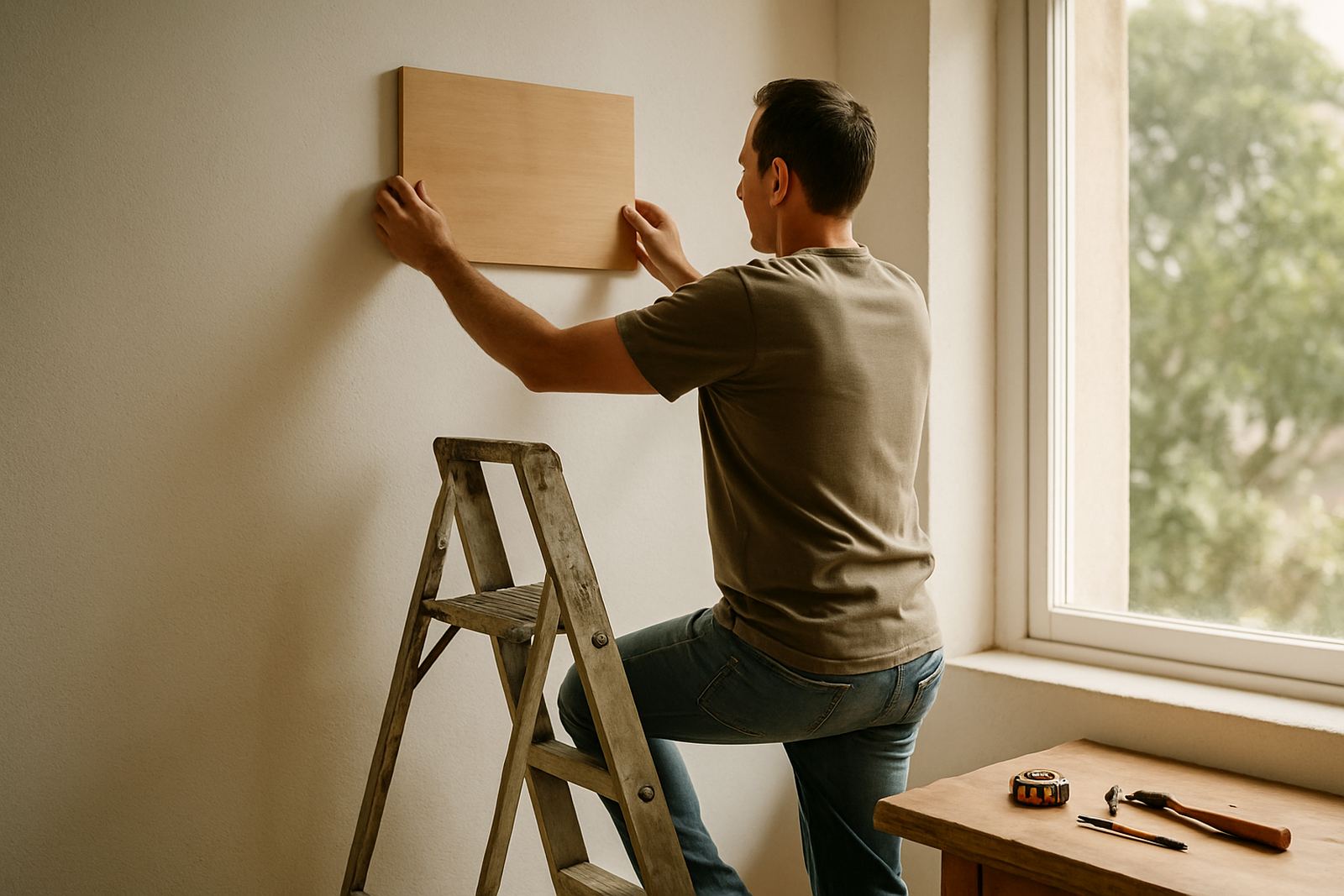
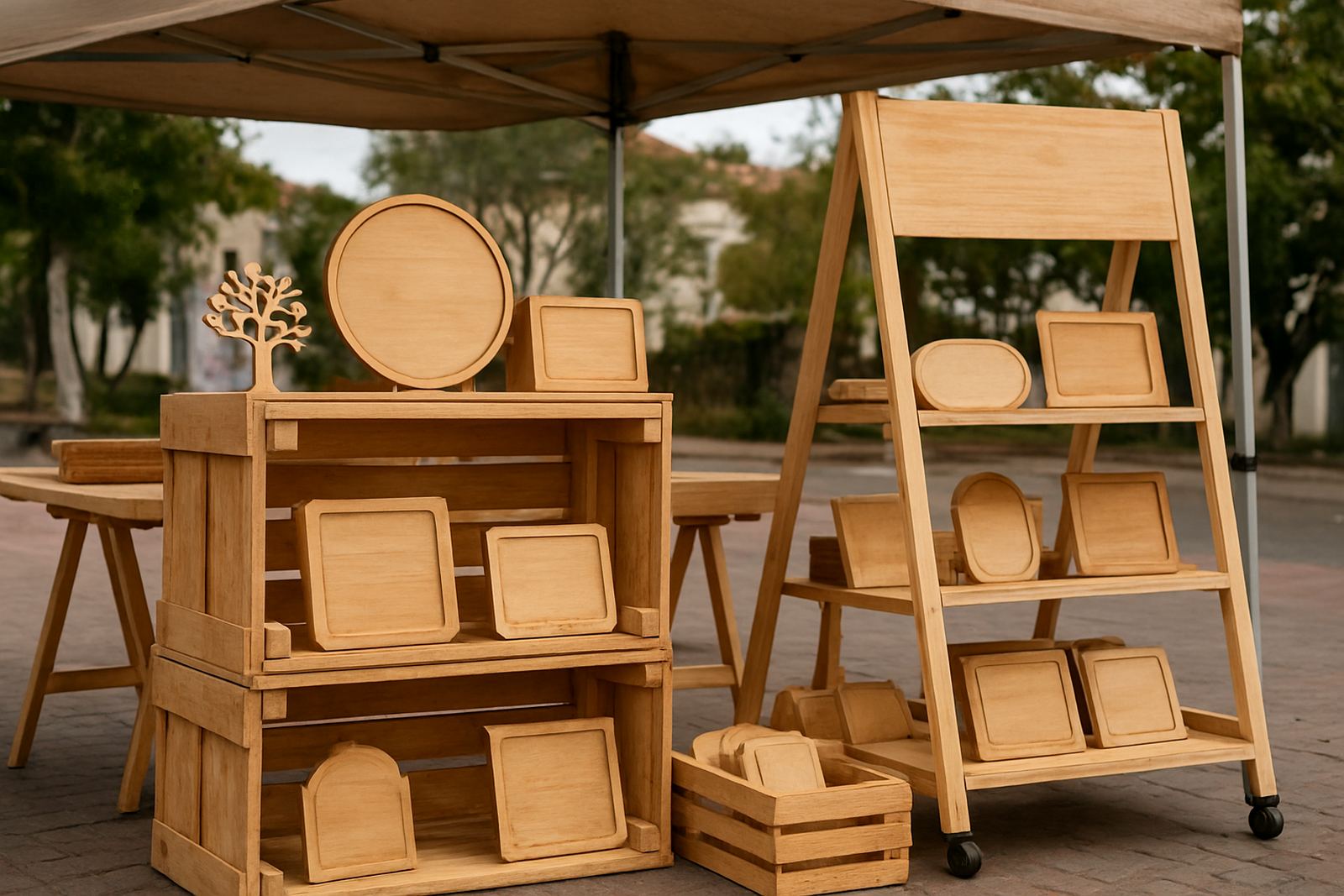
Sign planning starts with where the sign will live. A shop sign needs a clear read from a few metres away, while a wedding seating board needs a calmer pace and better detail for close viewing. Interior branding pieces usually sit somewhere between the two, with clean lettering, balanced spacing and a finish that works under office lights.
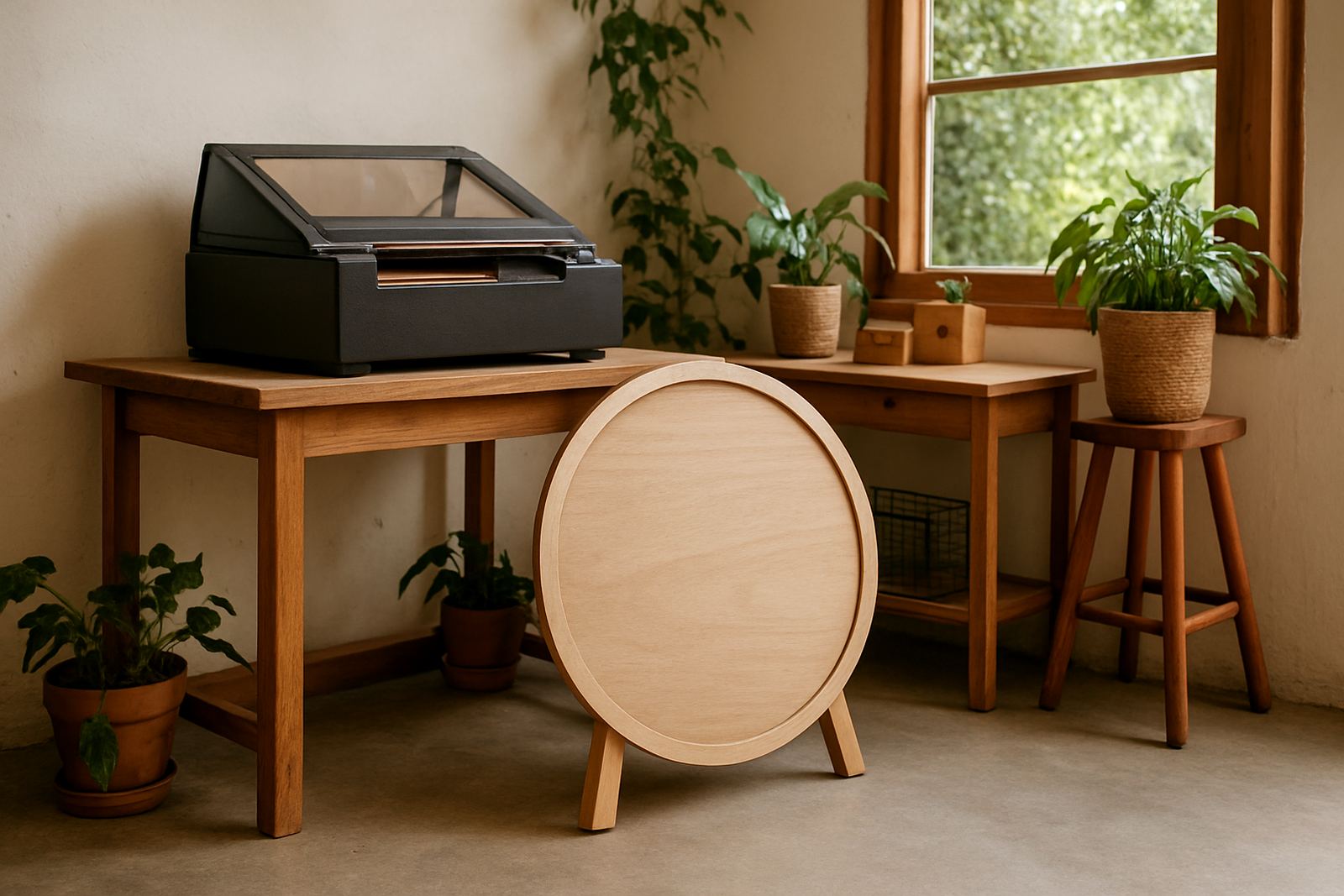
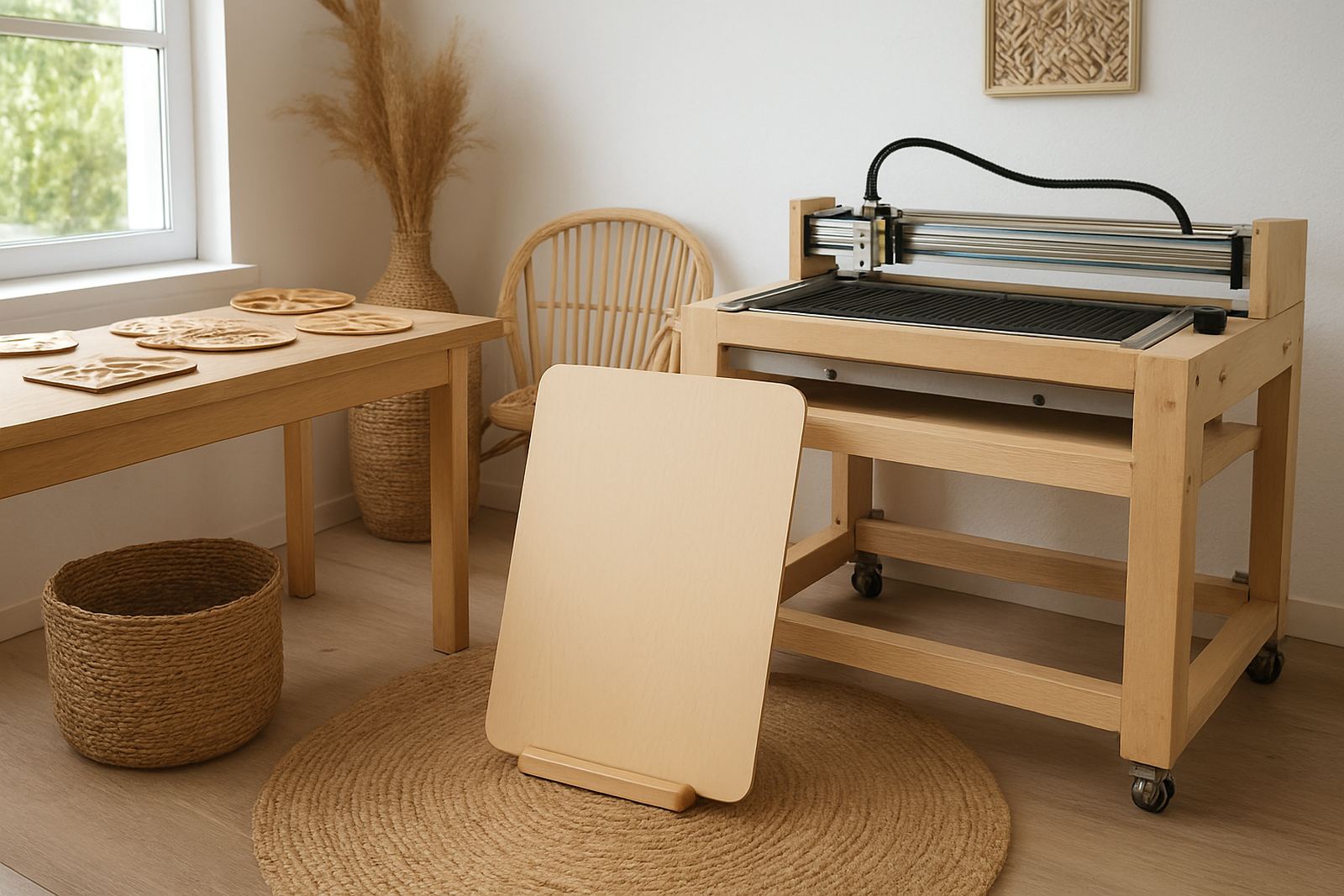
Our team in Somerset West handles custom design, laser cutting and assembly in a way that suits the final use of the piece. Marli often helps with layout choices, Shailen manages the machine work, and Ruan checks the finishing so edges and joins look neat before packing. For event work, we also think about how the pieces will travel, how they will be displayed, and whether the client needs a set or a single feature item. That planning saves time later and avoids last minute changes.
Behind-the-scenes at the Somerset West workshop
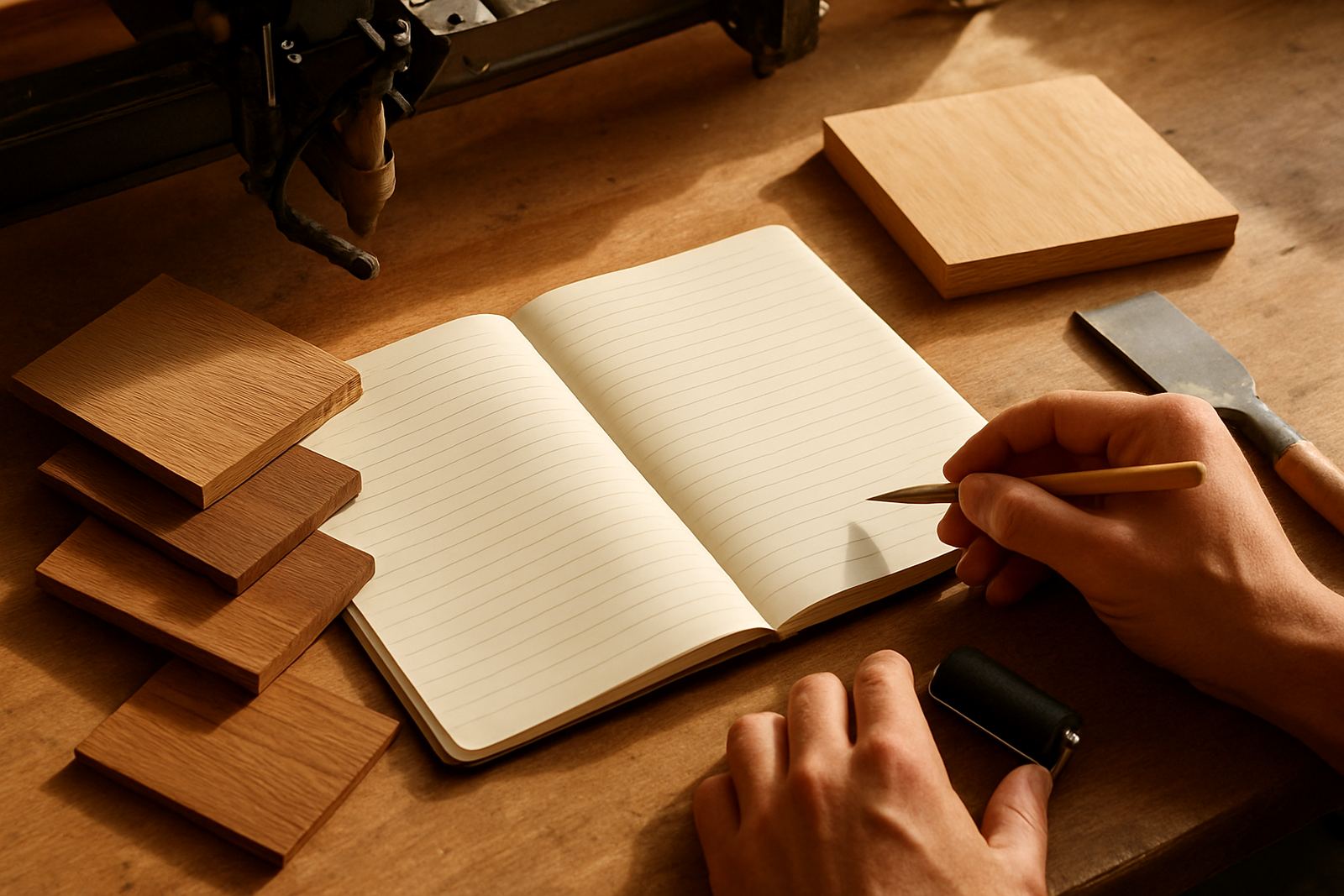
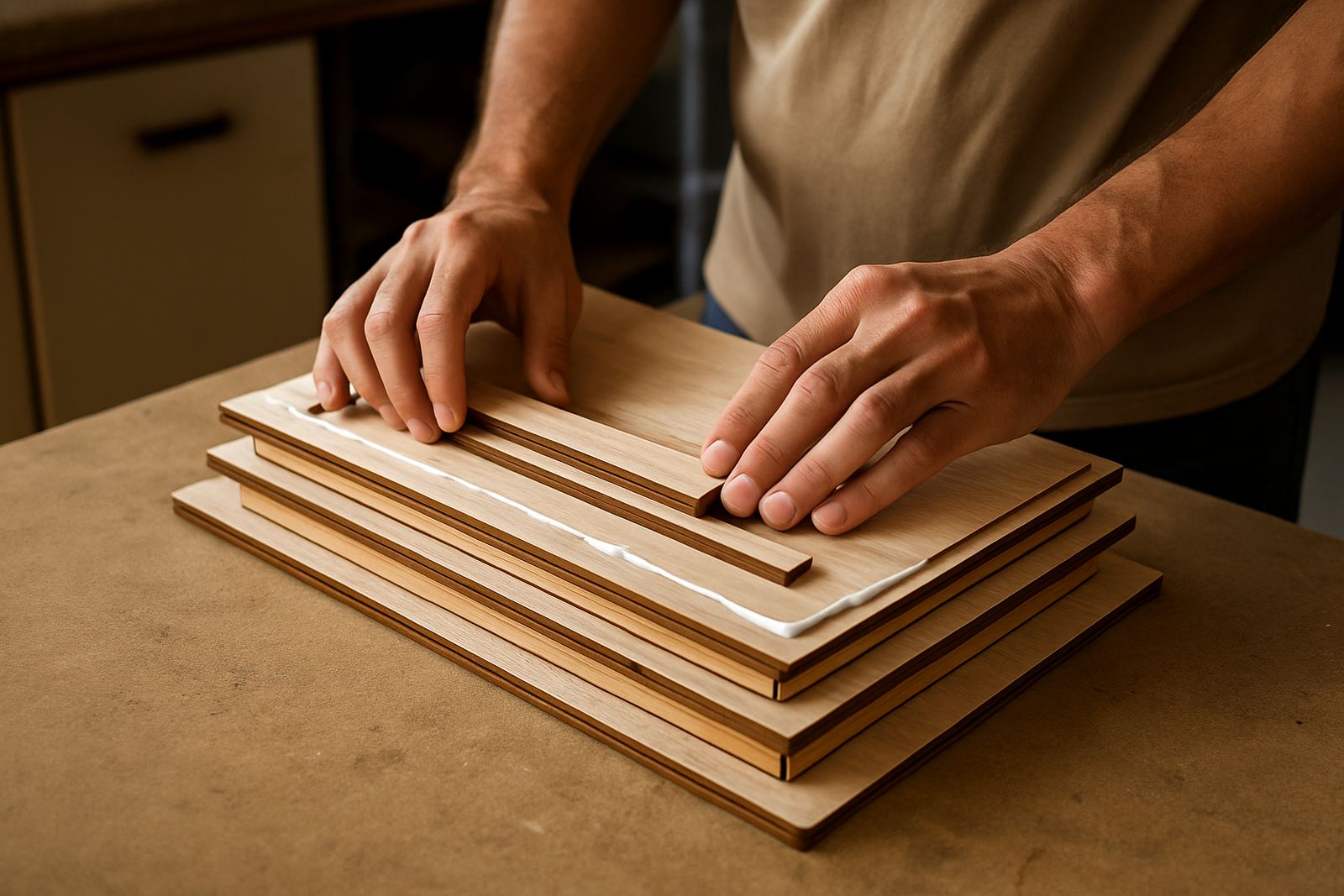
People often ask what happens after an order comes in through the enquiry form. First, the brief is checked for wording, size, style and delivery area. Then the team confirms the layout and prepares the file for cutting or engraving. Once production starts, the pieces move through cutting, cleaning, sanding and finishing, with quality checks at each stage.
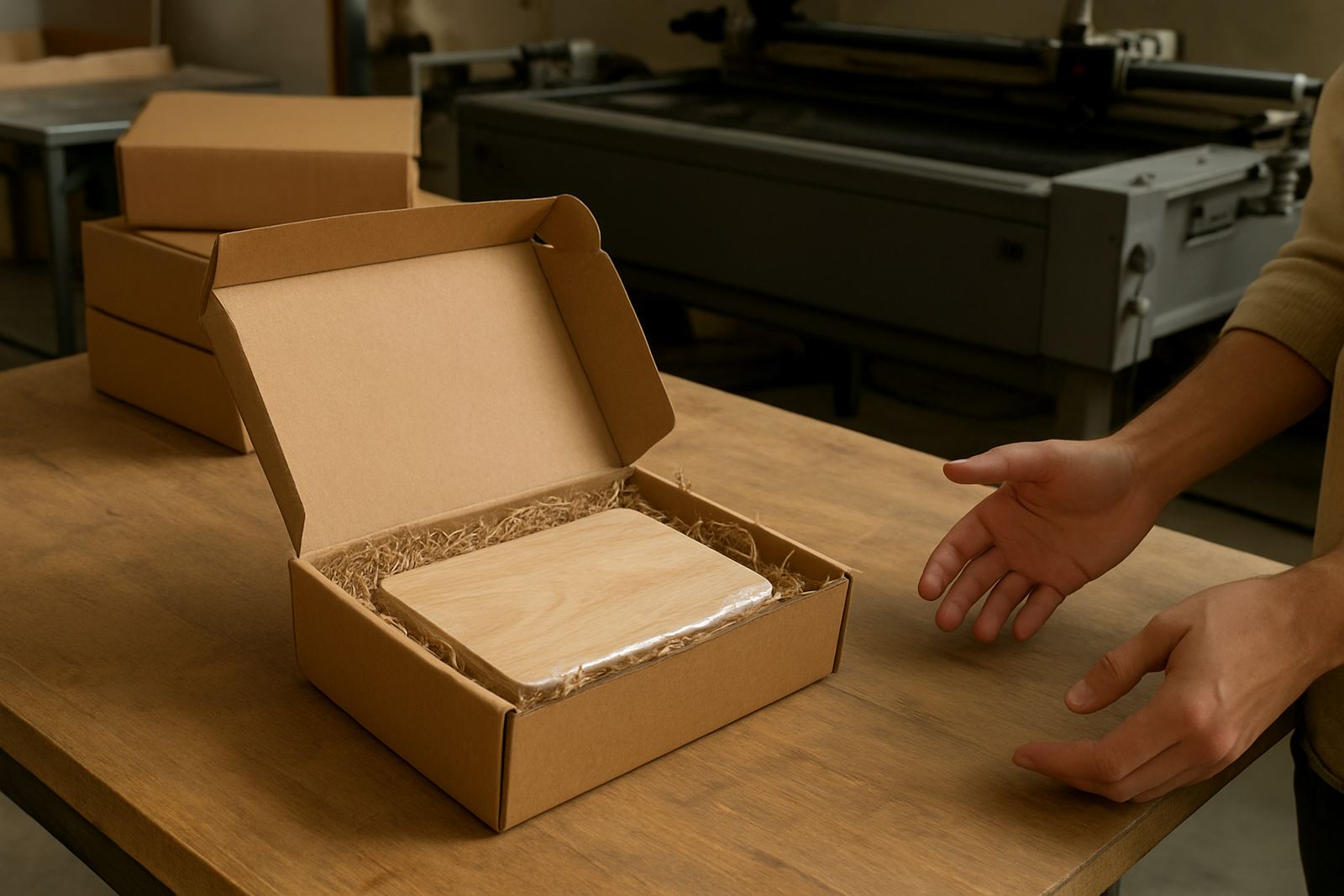
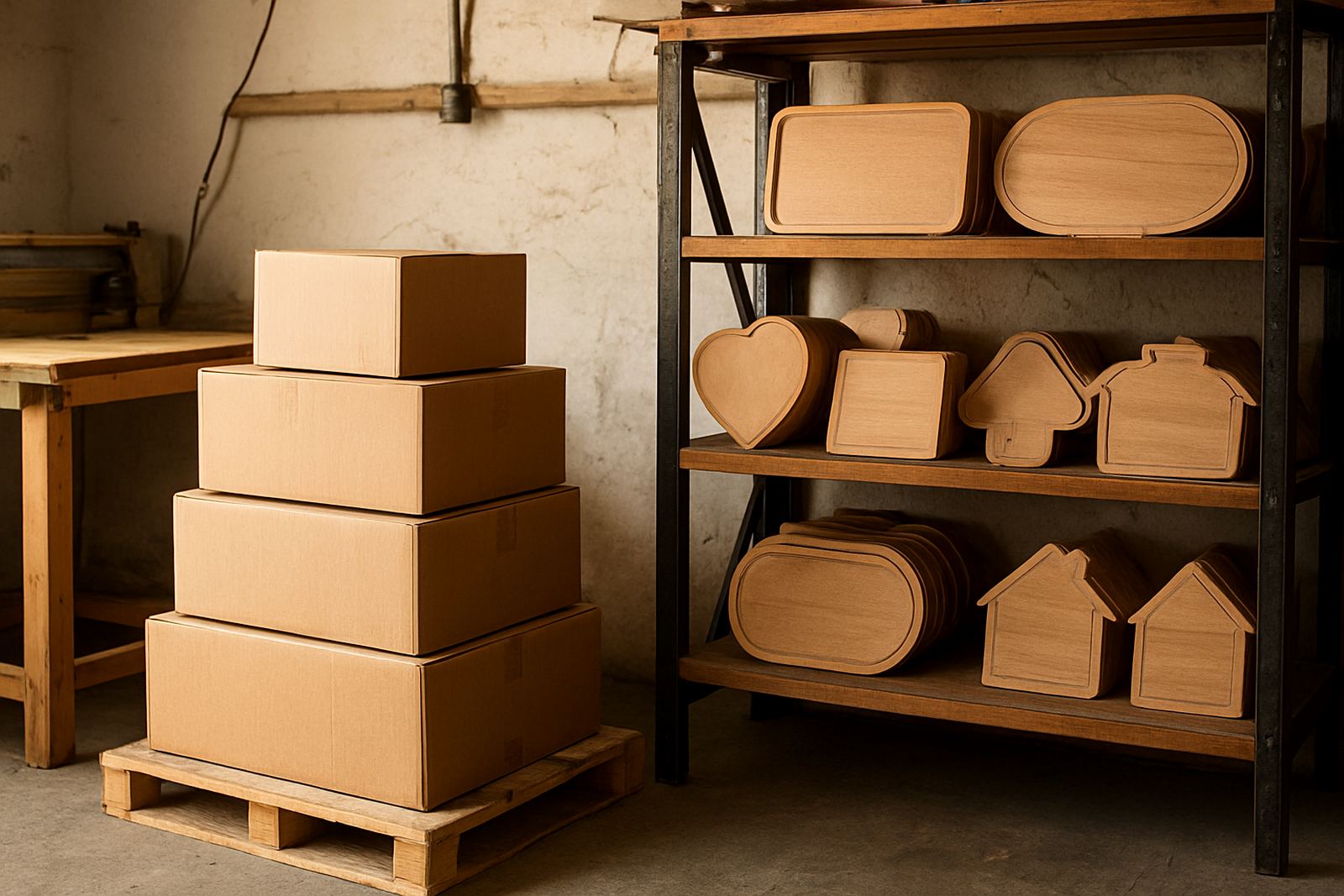
Leah handles dispatch and courier packing so items are wrapped properly for local delivery or nationwide shipping. Lesedi keeps client updates clear and practical, while Anele coordinates production so orders move in the right sequence. Kobus oversees the workshop direction and the team keeps an eye on the small details that matter when an item has to arrive on time and looking right. It is careful work, but that is what makes a simple wooden piece feel finished.
- Check the spelling on names and dates before the final cut.
- Allow time for proofing on custom layouts.
- Let us know if the item must fit an existing frame, shelf or wall space.
- For courier orders, pack with extra protection around corners and layered sections.
Useful care tips for lasting wooden pieces
A few easy habits can help wooden signs and decor last longer. Keep them out of direct water, avoid long exposure to strong sun where possible and dust them with a dry cloth rather than soaking them. If a piece is mounted in a kitchen or near a coastal window, it may need a little more care over time.
For businesses, it helps to treat signs and branding pieces as part of regular maintenance rather than a once-off purchase. If a logo panel sits near a busy counter, check it now and then for dust, knocks or loose fixings. For homes, a well-placed sign or gift can stay looking good for years if it is kept in a stable spot. That sort of simple upkeep makes a real difference, and saves you replacing pieces too soon.