
When collection makes the most sense
Collection works best when the order is ready, fairly compact and needed quickly. If you are in Somerset West, Strand, Gordon's Bay or Stellenbosch, collecting in person can be the simplest option, especially for urgent pieces or items that need a final check before they leave our Somerset West base.
It is also a practical choice for larger work that is awkward to pack, such as layered signs, event pieces and bigger interior branding items. When a client wants to inspect colour, finish or mounting details before heading off, collection gives you that extra bit of control.
- Urgent orders with tight event dates
- Large or awkwardly shaped signs
- Items that need a last-minute approval
- Orders going straight into a local installation
When courier is the better fit
Courier is often the right answer for clients in Cape Town, Paarl, Hermanus and further afield. If the order is going to a home, shop, office or event venue outside Somerset West, courier is usually more practical than asking someone to travel. It also helps when the recipient is not available for collection during working hours.
Courier is especially useful for repeat business orders, gift parcels and multiple drop-offs. We prepare the item, pack it properly and send it out for delivery. That means less time spent arranging transport, and no need to fit long items into a small vehicle or worry about coastal humidity on the drive home.
- Deliveries to towns across the Western Cape
- Gift orders being sent to the recipient
- Business clients needing delivery to a shop or office
- Orders that must stay packed until the event day
How size, shape and fragility change the decision
Not every wooden product travels the same way. Small engraved gifts, name tags and flat signs are usually easy to courier. Bigger layered signs, freestanding decor and assembled pieces need more care. A thin script sign can be protected in flat packaging, while a thicker item may need extra support so the edges do not chip.
Fragility matters too. If a piece has fine lettering, small raised parts or a painted finish, it needs proper padding and a box that does not shift in transit. For some orders, collection is the safer option because the client can take it away in person. For others, courier is perfectly fine as long as the packing is done properly and the route is not too rough. We have seen a few items arrive after a bumpy road trip that would have been better off in a courier box, not on the back seat.
- Flat items are easier to courier than bulky ones
- Fine detail needs tighter packing
- Painted surfaces should not rub against other items
- Layered pieces need protection for corners and edges
Practical local example from Somerset West to Hermanus
Imagine a small shop in Somerset West ordering a set of engraved product signs, plus a hanging welcome sign for a weekend launch in Hermanus. The product signs are light and flat, so courier is a sensible choice for the full order. The welcome sign is larger and more delicate, so it may need a stronger box, extra wrapping and a clear label on the outside.
If the launch is on a Friday and the team wants a final check on the sign before it heads out, collection from Somerset West may be better on the Wednesday. If the client is busy setting up in Hermanus and has no spare time for travel, courier is easier. The right decision is not about one option being better than the other. It is about timing, transport and what the item can handle on the road.
What to consider before you choose
A few simple questions usually point you in the right direction. If you answer them early, the whole process becomes easier and there is less back-and-forth later on. Clients often know the answer after a quick look at the order size and their own schedule.
- When do you need the item in hand?
- Is the order small, flat or bulky?
- Will it be used immediately or stored first?
- Is the delivery address local or out of town?
- Does the recipient have a safe place to receive it?
If the order is going to a wedding venue, office reception or retail counter, think about who will sign for it and where it will be stored. A courier drop to a busy business park in Cape Town is not the same as a collection for a house in Gordon's Bay, so the plan should suit the setting.
How we handle packing, collection and dispatch
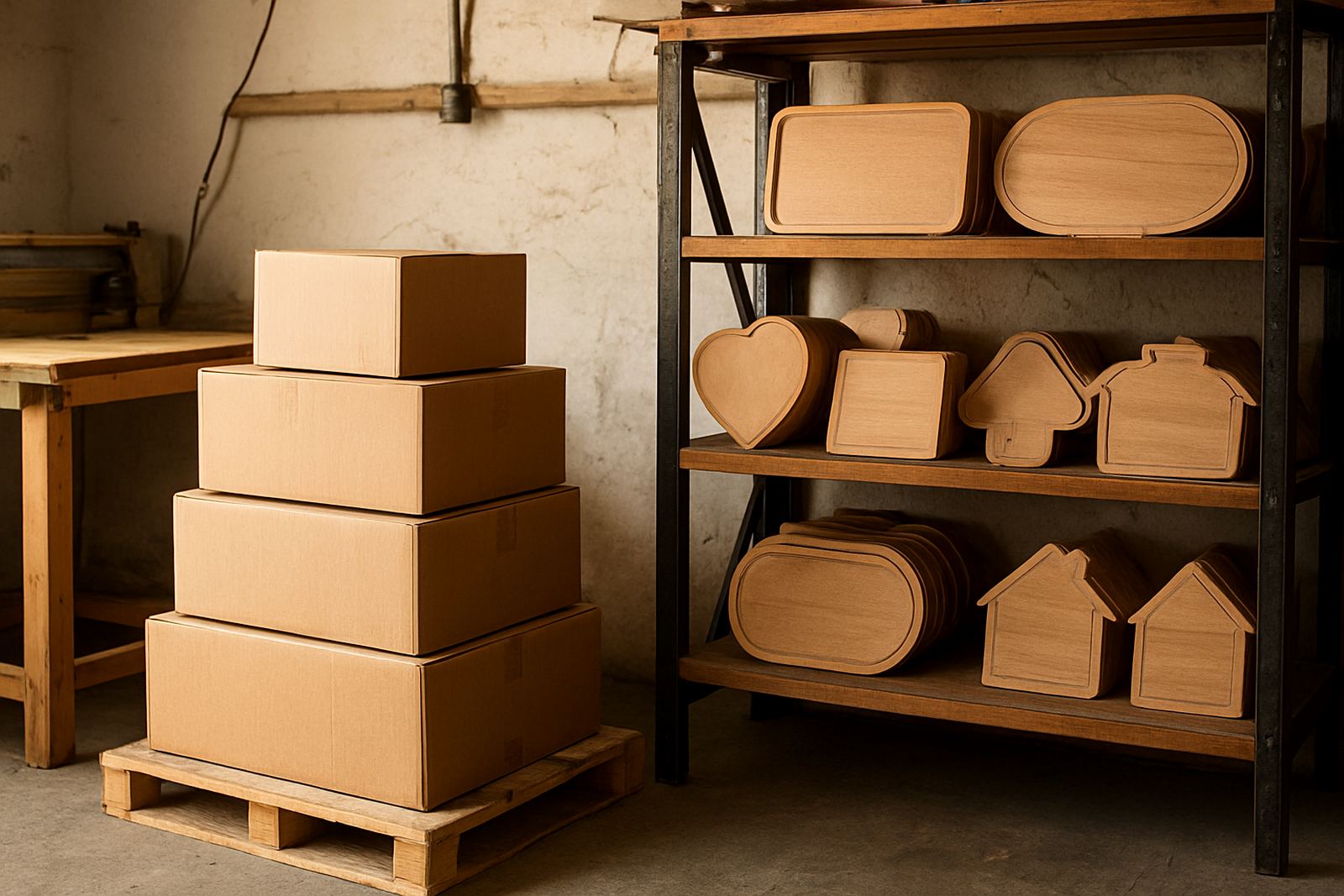
Once an order is finished, it goes through finishing, checking and packing before it is released. That includes making sure edges are clean, pieces are secure and any add-ons are grouped together properly. For courier orders, we pack with the route in mind and keep delicate pieces separated where needed. For collection, we make sure the order is ready to load quickly and safely.
Our dispatch and courier coordination is planned around the size of the order and the destination. That helps when a client needs multiple pieces sent to different addresses, or when a bulk order has to reach several branches across the region. It also keeps things orderly when there are event deadlines and the weather is not helping. Coastal humidity and afternoon wind can be a nuisance, so proper packing matters more than most people think.
The easiest way to decide
If you are unsure, tell us what the item is, where it is going and when you need it. From there, we can suggest collection or courier based on the actual order rather than a guess. That is usually the fastest way to avoid delays and extra costs.
For many clients, the answer is simple. Collection suits local, urgent or oversized orders. Courier suits distant, gift and repeat business deliveries. Once the timing and size are clear, the best option usually becomes obvious.
Choosing well at the start saves time later, and it keeps the order moving in the right direction.