
Why generic decor often misses the mark
Walk into any homeware shop in Cape Town, Stellenbosch or Paarl and you will see the same phrases, same shapes and same colours repeated again and again. That can work if you need something quick, but it often feels detached from the room it is meant to live in. A gift for a wedding, new shop opening or birthday should not look like it was chosen in five minutes on the way to a braai. It should feel considered.
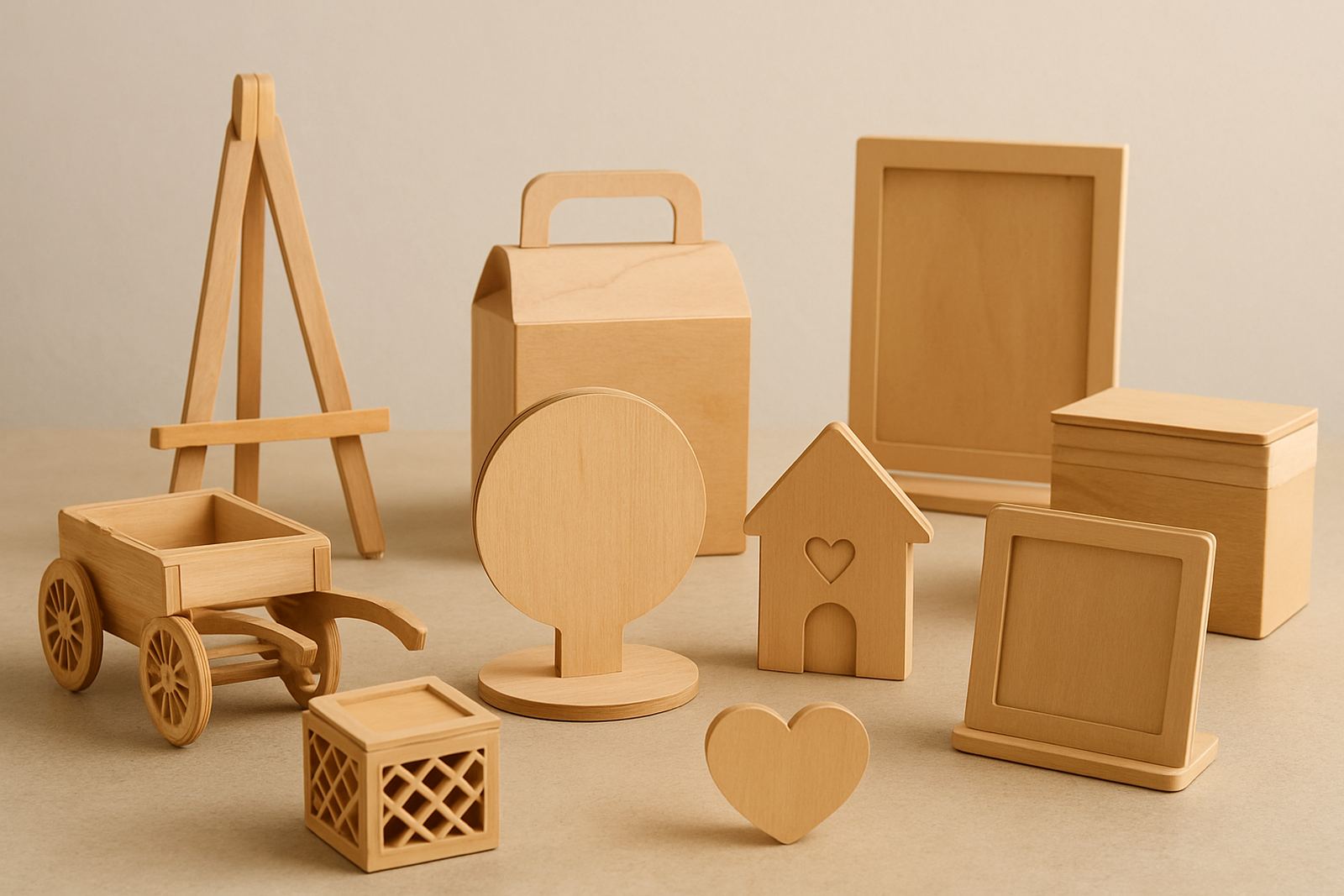
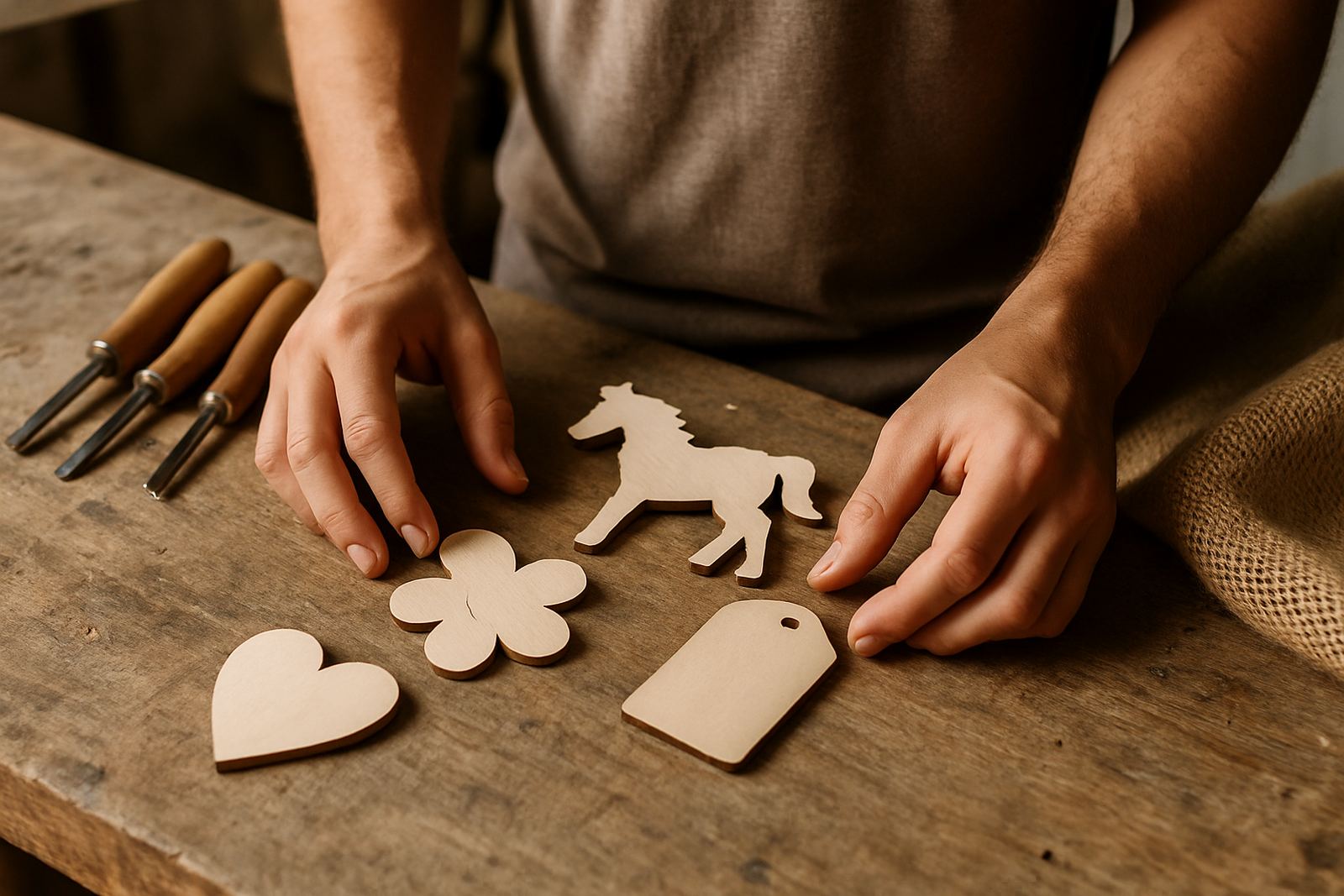
Custom-made wooden pieces solve that problem by being specific. A family name, a business logo, a wedding date, a favourite quote or a simple directional sign can turn a plain object into something people remember. For homes, that might mean a house number that can be seen from the street. For businesses, it could be a reception sign that fits the tone of the brand. practicaly speaking, it also means the item suits the space instead of forcing the space to fit the item.
What custom pieces do better than off-the-shelf items
When something is made for a particular person or place, it tends to stay in use for longer. A personalised gift is less likely to be packed away after one occasion because it has a real connection to the recipient. The same applies to signs and decor in shops, guest houses and offices. If a piece carries the right wording, size and finish, it becomes part of daily use rather than just decoration.
- Gifts: Names, dates and short messages make the item feel chosen rather than generic.
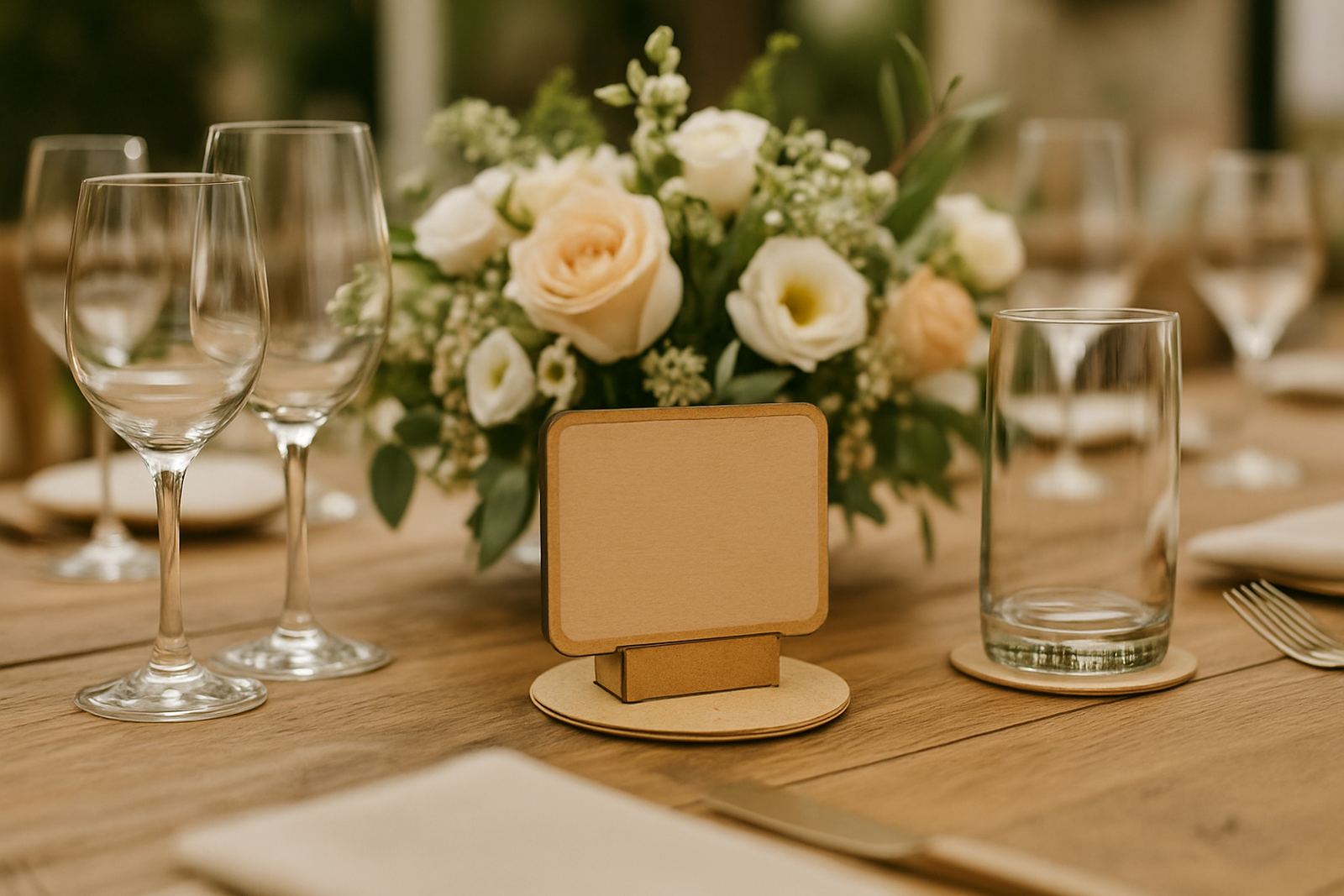
- Weddings and events: Table names, seating signs and welcome boards keep the setting organised and give the photos a cleaner look.
- Retail spaces: Menu boards, product labels and wall signs help customers move through the space more easily.
- Home interiors: Layered name signs, room markers and family pieces bring warmth without clutter.
There is also a practical side. Wooden pieces can be cut to fit a wall, shelf or counter and finished in a way that suits the room. In a coastal town like Somerset West or Hermanus, that matters because humidity can affect how materials look and hold up over time. A finish that is chosen carefully will usually do better than something bought without thinking about where it will live.
A Somerset West example that feels close to home
Imagine a wine farm outside Stellenbosch hosting a small winter wedding. The couple wants a welcome sign, table markers and a keepsake board for the gift table. They also need the pieces to work with a light interior, a few outdoor moments and quick turnaround because the date moved up by a week. A standard shop-bought set would probably miss at least one of those details.
With custom production, the wording can be matched to the venue, the sizes can be adjusted for visibility and the finish can be planned for the lighting. A layered sign at the entrance gives depth in photos. Smaller markers keep the tables tidy. A matching keepsake board can be taken home and used afterwards. That is the difference custom makes: it fits the event instead of asking the event to adapt to it.
For local businesses in Cape Town, Gordon's Bay or Strand, the same idea applies to opening signs, counter pieces and branded display items. A sign that fits the wall properly and reflects the shop's tone will do more than one that is simply available in the right colour.
How to brief a custom order without making it complicated
The best custom pieces start with clear information, not fancy language. You do not need to know the production terms. You only need to explain where the item will go, what it must say and whether it needs to hang, stand or be mounted. The rest can be worked through during the consultation.
- Measure the space first, even if it is only a rough width and height in metres or centimetres.
- Send the exact wording, including spelling, capital letters and dates.
- Share a photo of the wall, counter or room where the piece will sit.
- Say whether the item is for indoor use, sheltered outdoor use or a busy public area.
- Confirm whether it is for one piece, a prototype sample or a bulk order.
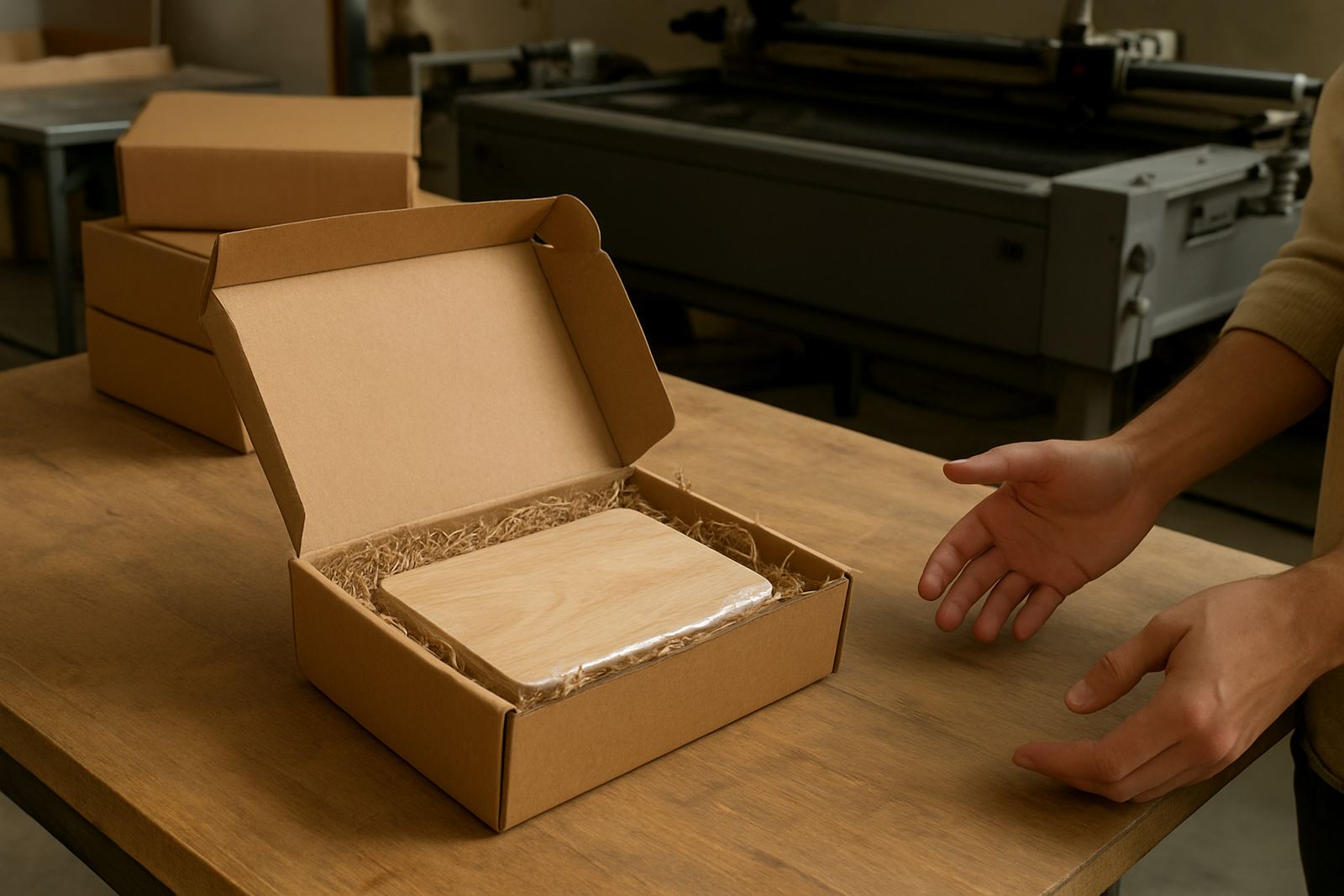
That basic brief helps avoid delays and repeated changes. It also helps with courier packing, because a small hanging sign and a large event set are not handled the same way. When the order is clear from the start, the result is usually better and the process feels calmer.
Custom decor beats mass-made for South African brands
For businesses, custom work is not just about looking nice. It supports clearer communication. A well-sized sign can help a customer find the till, the fitting room or the event entrance without asking staff. A branded wood piece in a waiting area can make the space feel more intentional, especially in offices, studios and guest spaces where first impressions matter.
It also gives a business more control. Mass-produced items often come in standard sizes and colours, which means compromises. Custom production allows for a cleaner fit with the brand and the room. If a shop in Durbanville wants a warm natural finish, or a guesthouse in Hermanus needs signage that can handle salty air better than flimsy decor, the item can be planned around that from the start.
There is value in that kind of planning. It shows care, and customers notice. Even a small sign can make a space feel better organised and more trustworthy, which matters when people are deciding where to spend their money.
Choosing custom pieces that last beyond the occasion
The strongest custom items do two things at once. They solve a practical need and they stay useful after the day is over. A wedding sign can move into a home. A baby name piece can become room decor. A shop sign can work for years if it is made to suit the setting and handled properly.
That is why finish, thickness and placement matter as much as the design itself. A piece that is too thin may not stand well. A finish that is too delicate may not cope with sunlight, dust or everyday handling. Good custom work takes those details into account before cutting begins. It is a practical approach, and it usually gives better value over time.
For people across Somerset West, Stellenbosch, Cape Town, Paarl and beyond, custom is still worth choosing because it makes everyday things feel more relevant. It respects the person receiving the gift, the venue hosting the event and the business using the sign. That personal fit is something generic decor rarely offers.