
Why coastal homes suit wood decor so well
Homes near the sea often need a softer touch than heavy, dark decor. Pale timber tones, simple silhouettes and a matte finish sit comfortably alongside white walls, linen upholstery and light floors, whether the home is in Somerset West, Strand, Hermanus or further inland.
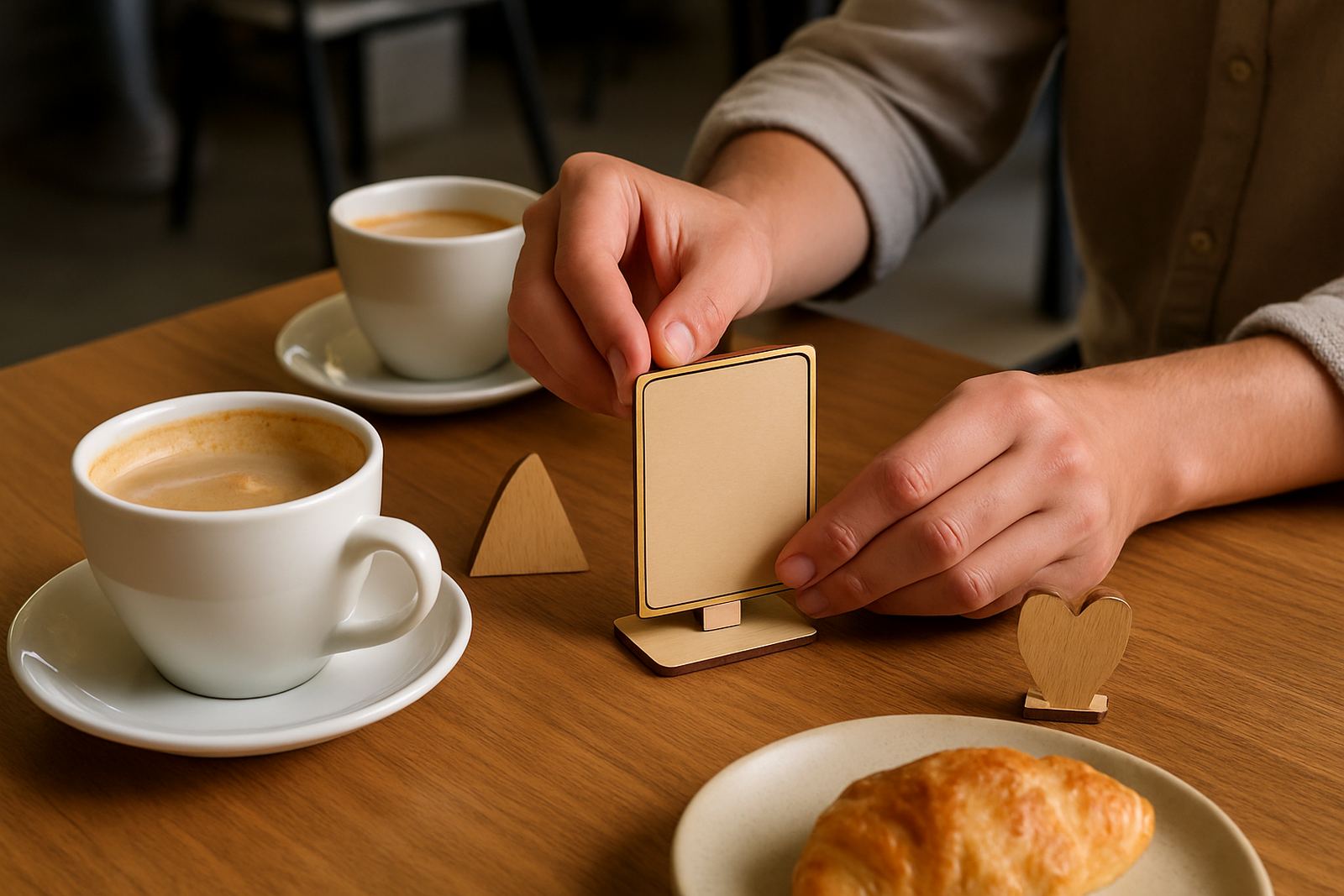
Wood works because it adds texture without shouting for attention. In a room with sea-facing light or strong afternoon sun, a carved sign or layered wall piece can catch shadows in a way printed decor cannot. It also feels more personal than mass-made decor, especially when the shape or wording is tailored to the room.
- Choose lighter stains or natural wood tones for airy rooms
- Keep shapes simple if your furniture already has a lot of detail
- Use personalised wording for family names, house names or room labels
- Place decor where it can be seen but not knocked around by daily traffic
What works best in a seaside room
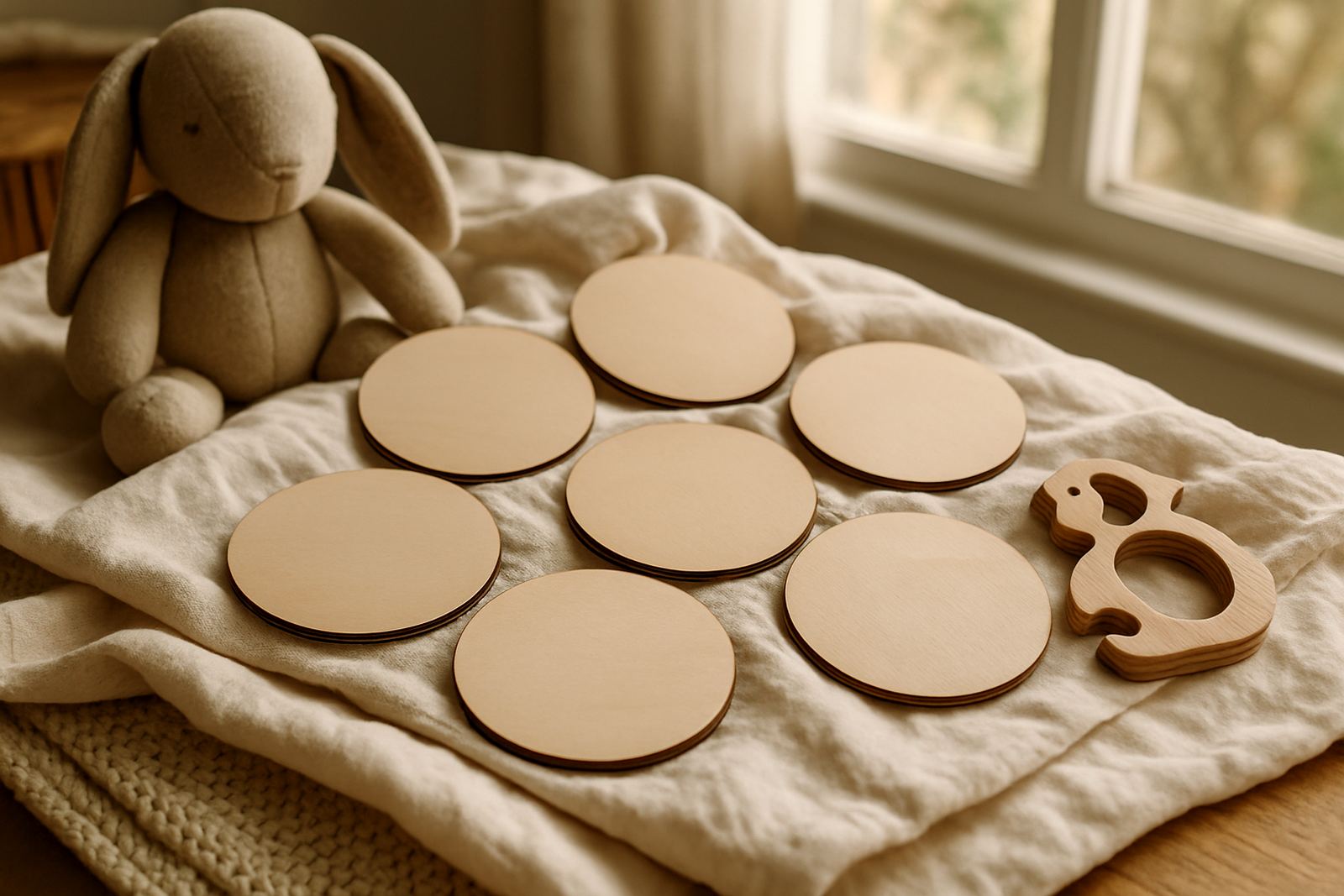
The best coastal decor usually keeps to simple forms. Think round plaques, clean lettering, small wall hangings and shelf pieces with gentle curves. Busy patterns can make a room feel crowded, especially in smaller homes or apartments where every item needs to earn its spot.
For open-plan living areas, one larger feature piece often works better than several small items. A single personalised sign in the entrance or above a sideboard can tie the room together. In a bedroom, smaller engraved pieces around 250 to 400 mm wide are often enough to add character without taking over the wall.
- Entrance halls suit house names and family greetings
- Kitchen shelves work well with small labels or recipe-themed pieces
- Bedrooms often need quieter wording and softer shapes
- Bathrooms need sealed finishes that cope with moisture and steam
Finishes that handle humidity and daily use
Coastal homes face more moisture in the air, and that can affect how wood ages over time. The right finish helps keep the surface neat and easier to dust. In most homes, a sealed, lightly finished piece will last well if it is kept out of direct spray, heavy condensation and prolonged damp.
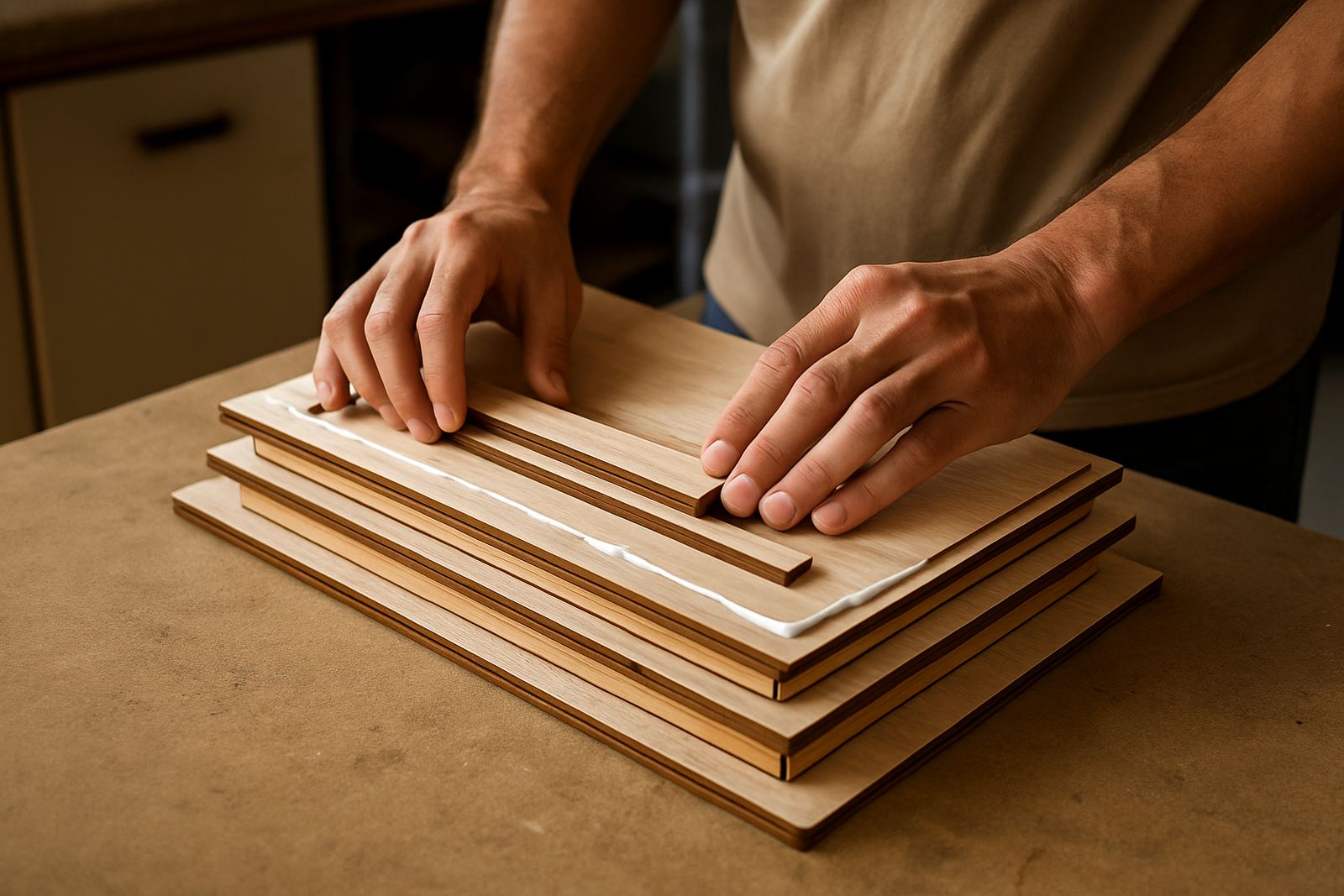
If a piece will live near an open window, patio door or kitchen splash zone, it is worth asking for a finish that suits that spot. A good maker should think about the room first, then recommend the right thickness, coating and hanging method. That kind of practical advice saves money later, especially when a piece is intended to stay up for years.
- Use sealed finishes in bathrooms and near braai areas
- Avoid very thin pieces in windy patio spaces
- Ask for wall fixings that suit plaster, brick or tile
- Wipe decor with a dry or slightly damp cloth only
Personal pieces that still feel calm
Personalisation does not have to mean loud lettering or busy decoration. A family name, a short welcome phrase or a room marker can be cut in a way that feels calm and tidy. The trick is to keep the wording short and the layout balanced.
Laser-cut wood is especially useful for gifts because it can be made to suit the person and the room at the same time. A wedding gift for a couple in Gordon's Bay might use their surname and date. A housewarming gift for someone in Paarl may work better with a simple line such as a home name or favourite phrase. It is a small detail, but it changes how the piece sits in the space.
- Family name signs suit porches and entrance passages
- Short quotes work well in kitchens and reading corners
- Pet names, dates or coordinates add meaning without clutter
- For gifts, keep the message readable from a few metres away
A Somerset West example for a beach side home
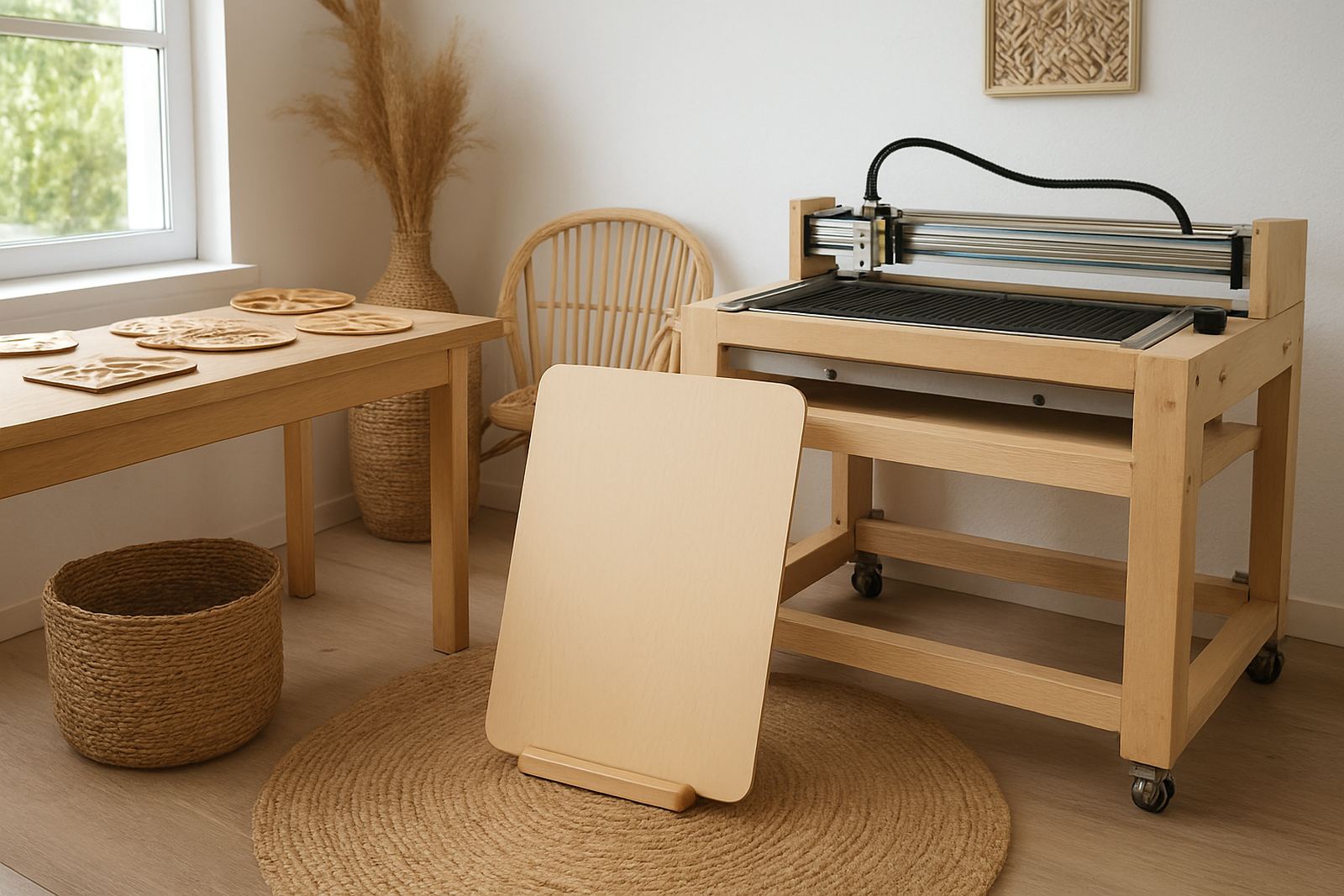
Take a coastal home in Somerset West with pale floors, rattan chairs and large windows facing the afternoon light. A glossy or overly detailed sign would feel out of place there. A better fit is a layered wooden plaque in a soft natural finish, perhaps with the family surname, mounted above a console table in the entrance.
For the same home, a smaller kitchen piece could repeat the same wood tone but use a different scale, such as a simple engraved board near open shelving. That keeps the styling connected without making the house look overdone. In this kind of room, less really does work better, and the decor should sit comfortably next to salt air, sunscreen bottles and the usual family clutter.
For homes from Stellenbosch to Cape Town, the best results usually come from measuring the wall first and choosing the piece to suit the room rather than the other way round.
Ordering coastal home decor without the guesswork
When ordering a custom piece, start with the room, the wall size and the kind of finish you want. A good brief helps with everything from font choice to mounting. If you are not sure, send a few reference photos and a rough measurement, even if it is just taken with a tape measure from the dining table to the wall.
We often see clients ask for pieces that are too large for the space, or too small to make an impact. A simple rule helps: for a feature wall, aim for a piece that fills the space without reaching the edges. For shelving or a narrow passage, keep the width modest so the decor does not feel crowded. That bit of planning saves time and avoids rework later on.
- Measure the wall space before choosing wording or size
- Tell us whether the piece is for indoors or a covered outdoor area
- Share the room style, colours and any nearby finishes
- Use the enquiry form on our contact page for custom requests and courier delivery nationwide
From Somerset West and the Helderberg to the wider Western Cape, coastal homes need decor that feels easy to live with. Simple shapes, natural wood and a careful finish give you that look without making the room feel overly themed.