
Start with sightlines, not decoration
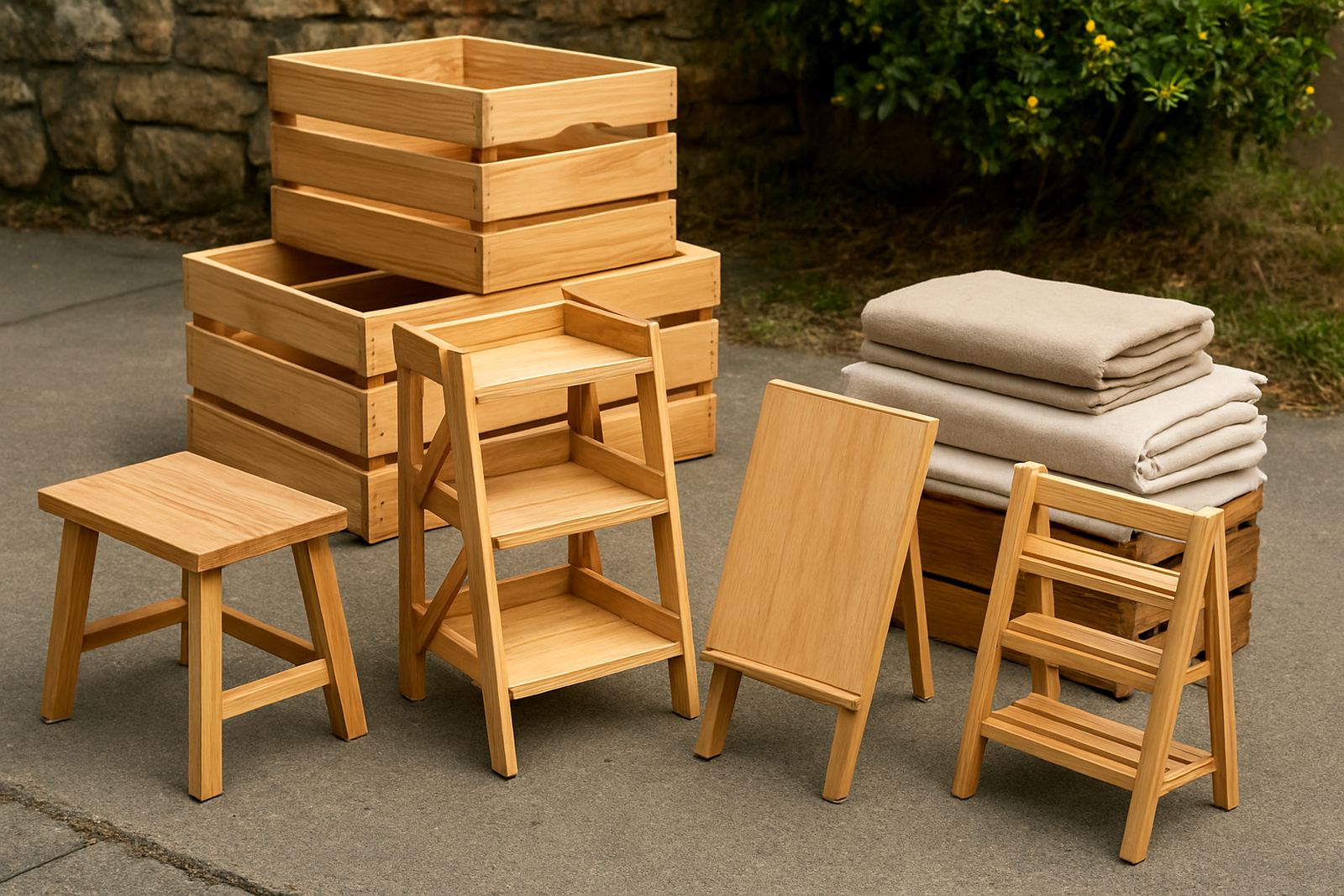
At a busy market, people decide in a few seconds whether they will stop or walk on. That is why your first job is to raise the right products into eye level and keep the front of the stall clear. Portable wooden risers, small plinths and tiered display blocks can lift best-sellers above the crowd so they are visible from a distance, even when the aisle is full.
In Somerset West, where weekend foot traffic can shift with the weather, stall holders often do better with a simple layout that can be packed down fast when wind picks up. Keep the tallest items at the back, medium items in the middle and smaller pieces at the front. If every item sits flat on one level, customers often miss the detail work and move past without noticing what you actually sell.
Use signs that answer questions before they are asked
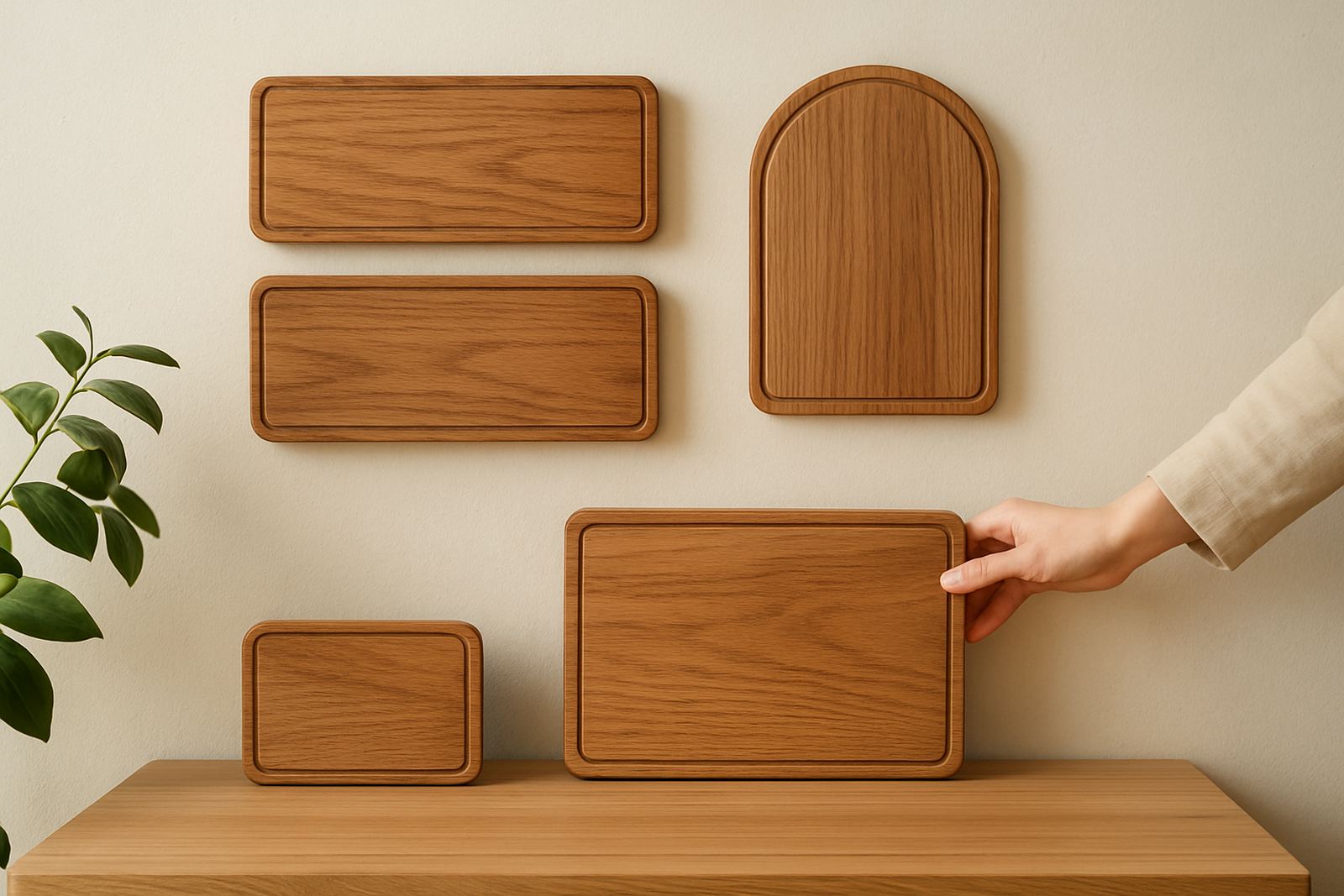
Clear signage saves you time and helps buyers feel comfortable. A strong market display includes a main sign with your trading name, a short line about what you make and a few small price or category signs. Wooden signs work well because they look steady and clean next to handmade goods, and they photograph well for customers who want to share your stall online.
Keep the wording plain. If a customer has to ask whether something is personalised, ready-made or made to order, the sign has not done its job. For wedding fairs and school fundraisers, small category signs can also separate items by use, such as gifts, decor, keepsakes or event pieces. That makes the table easier to read and reduces crowding around one section.
- Main sign: your business name and what you make
- Category signs: gifts, signage, decor, corporate orders
- Price tags: large enough to read from arm’s length
- Order signs: lead time, custom options and collection details
Build a display that survives transport and load-shedding
Portable displays have to do two jobs at once: look good and travel well. If your setup chips, warps or rattles on the way to market, you lose time before you have sold a single item. Choose wooden pieces that stack neatly, have smooth edges and fit into tubs or flat boxes without needing special handling. That matters when you are loading before sunrise and setting up in a narrow space.
Load-shedding can affect how you prepare too. If your market prep relies on power for last minute finishing, lighting or payment devices, have a backup plan ready. Charge card machines and phones the night before, keep a torch in the kit, and use simple display pieces that do not depend on electricity to make an impact. A well cut wooden stand does its work quietly no matter what the power does that day.
- Pack each display item so it can be carried by one person
- Use flat-pack or stackable parts where possible
- Keep a small repair kit with glue, tape and spare hooks
- Test the full layout at home before the event, not on site
Match the display to the product and the crowd
Not every market needs the same layout. A weekend craft market in Stellenbosch asks for a different feel from a corporate showcase in Cape Town or a seaside event in Hermanus. At a craft market, buyers may want to touch the wood grain and see the detail up close. At a corporate event, clean lines, consistent spacing and stronger branding matter more than a busy table.
If you sell gifts, group related items together so customers can compare quickly. If you sell business signage or personalised items, keep one sample for each type on display and store the rest out of sight. This keeps the table from looking crowded and helps the customer focus on the options that matter. For coastal areas like Strand and Gordon's Bay, seal your wooden display pieces properly so moisture does not lift the finish over time.
A simple layout for a Somerset West stall
One local example works well for sellers who set up at artisan markets around Somerset West and nearby towns. Start with a central backboard showing your name and category. Place two small risers on either side, then keep your most popular items in the middle lane where hands can reach them easily. Put custom order samples to one side with a clear sign inviting enquiries through your contact page.
That kind of setup is practical because it leaves room for browsing and for conversation. It also helps with quick pack-down if the weather changes, which is common along the Helderberg coast. Teams that run recurring stalls often use the same layout every time so staff know exactly where to place each item. Consistency saves time and makes the stall look more polished without needing extra effort.
- Backboard for brand name and core message
- Middle section for best-selling items
- Side section for samples and custom work
- Lower shelf or crate space for spare stock and packaging
Finish, packing and presentation details that customers notice
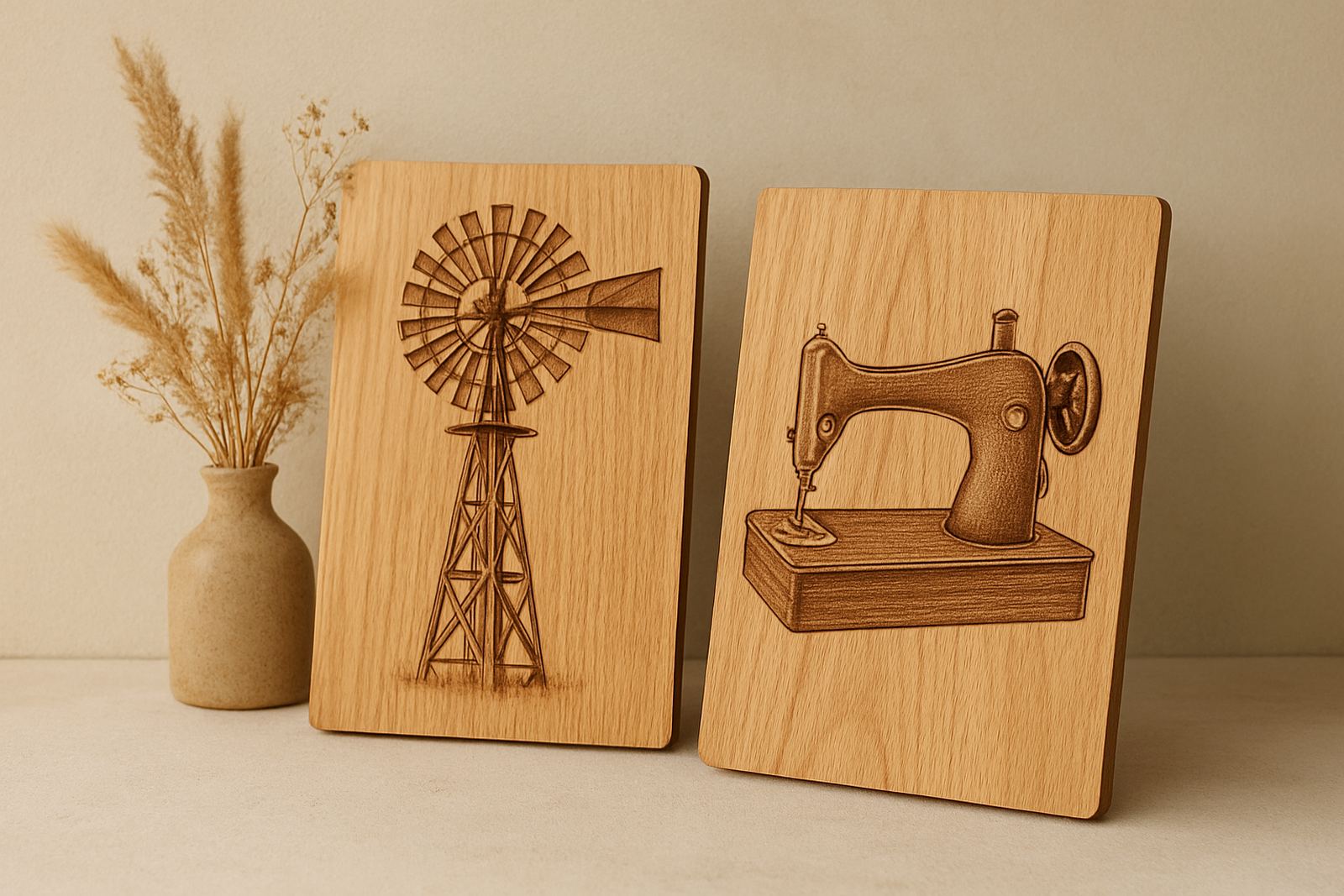
Small details often decide whether a customer trusts the display. Smooth sanding, even engraving depth and tidy edges all show that the product has been handled properly. If your display pieces are scratched, dusty or uneven, the customer may assume the same about the goods for sale. Keep a cloth in the kit and wipe down the wooden pieces before opening the stall.
For repeat markets, label your crates and pack the display in the same order each time. That makes setup faster and reduces mistakes when different team members are helping. LaserCrafts works with shops, wedding suppliers and corporate clients across the Western Cape and nationwide by courier, so the same principle applies whether you need one sign or a full batch of display pieces: clarity, consistency and careful finishing make the whole table easier to sell from.