
Where indoor wooden signs do the most work
Indoor signs are at their best when people see them up close. That is why wooden signs are so popular for entrances, reception areas, meeting rooms, treatment rooms, studios and event venues. Inside, you can use finer detail, smaller lettering and lighter finishes because the sign is protected from sun, rain and heavy moisture. In a Somerset West home or business, that also means the piece stays looking tidy for longer, especially if the space gets strong afternoon light from the windows.
For homes, indoor wooden signs often mark a kitchen wall, a family name near the front door, a nursery, or a games room. For shops and offices, they can show opening times, a room name, a welcome message or a brand statement. In wedding venues around Stellenbosch, Paarl and Hermanus, we see them used for seating plans, table names and welcome boards that can move from the ceremony to the reception without fuss.
- Homes: family name signs, room labels, kitchen quotes, nursery pieces
- Studios and offices: reception signs, department names, meeting room markers
- Shops and venues: welcome signs, price boards, directional signs, event displays
Choosing the right wood and finish for indoor use
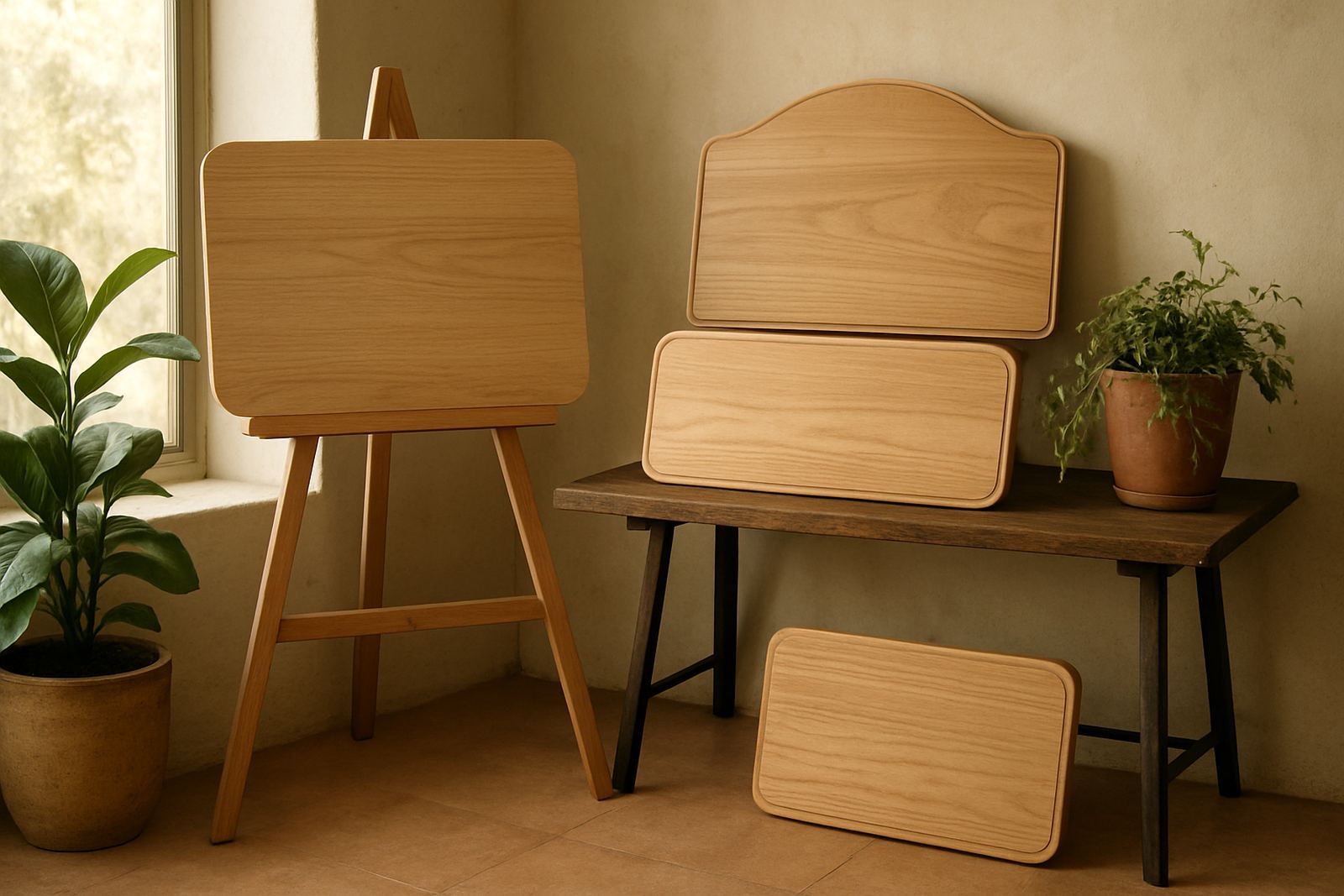
The right indoor sign starts with the right material and finish. A sign for a lounge wall does not need the same treatment as a sign above a coffee counter or in a salon. We normally guide clients toward wood that suits the room size, the style of the space and how much handling the sign will get. A lighter tone can keep a small room airy, while a darker stain can sit neatly against white walls, brick or muted paint colours.
For indoor use, the finish matters as much as the cut. A sealed surface is easier to dust and less likely to mark from fingerprints, especially in busy homes or retail spaces. If the sign is going in a coastal area like Strand or Gordon's Bay, a proper seal helps with the extra humidity too. In some spaces, a matte finish looks best because it reduces glare from downlights and large windows.
- Choose lighter wood for bright, calm spaces and smaller rooms
- Choose deeper tones for contrast on pale walls or textured backdrops
- Use sealed finishes where the sign may be touched often
- Ask for matte if the sign will sit under strong lights
Sizing and placement that feels balanced
Good indoor signs look like they belong in the room, not like they were squeezed in at the end. The first question is how far away people will read it. A sign near a doorway can be smaller because people approach it closely. A sign above a counter, behind a reception counter or across a studio wall usually needs larger lettering and stronger contrast. If you are working with a narrow passage or a low ceiling, a slimmer layout can make the piece feel neater and easier to read.
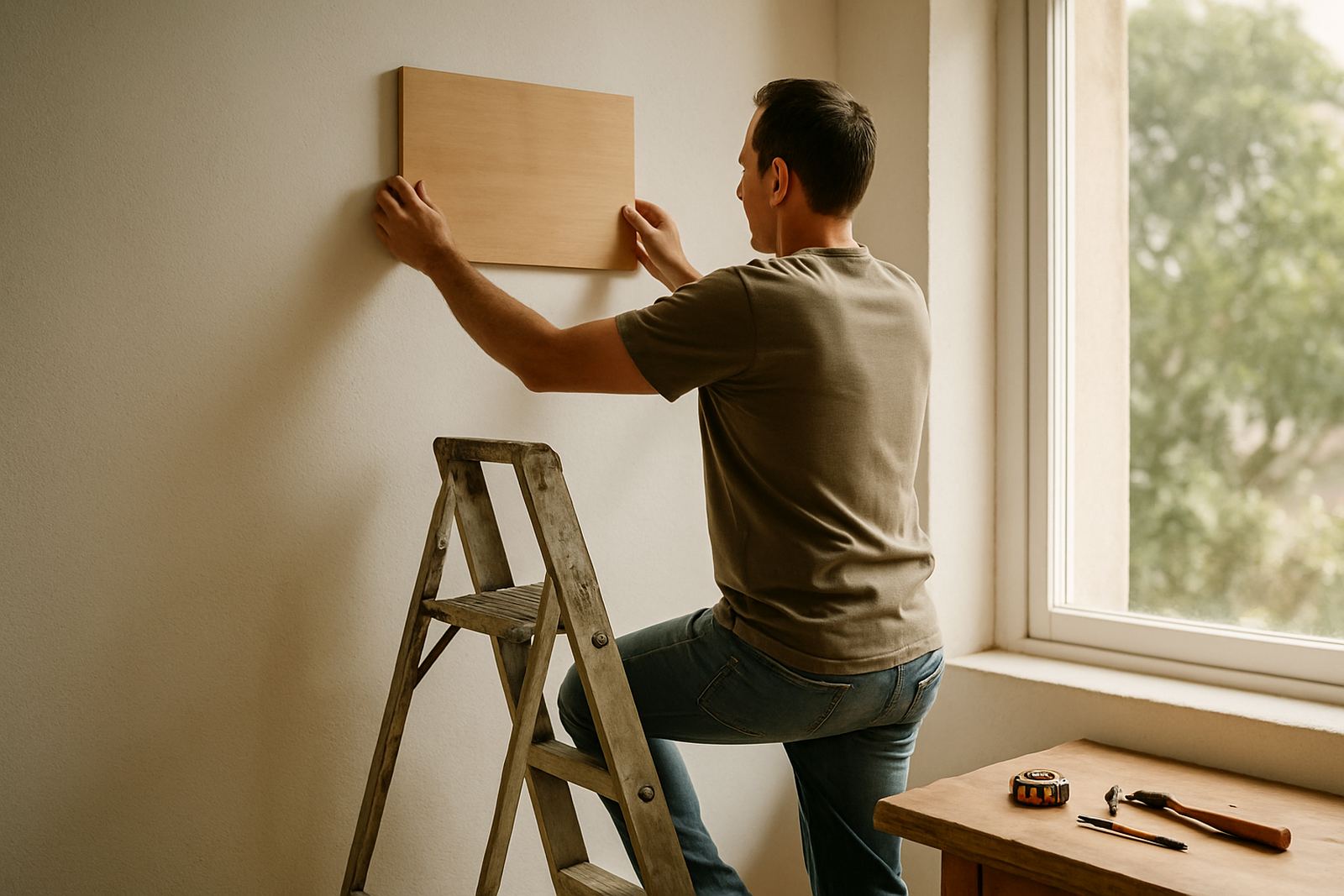
We often suggest measuring the wall first and marking the available space with masking tape before ordering. That simple step helps avoid a sign that is too wide for the wall or too small to make sense. In shops and venues, it also helps if the sign leaves room for lights, shelves, mirrors or floral work. A well placed sign should support the room, not crowd it.
- Measure the wall width and height before deciding on the layout
- Leave clear space around the sign so it can breathe visually
- Check sightlines from the doorway, counter and seating area
- Allow for switches, plugs, frames and other wall features
Personalisation that suits homes, weddings and business spaces
Indoor wooden signs are most useful when they are specific. A generic quote can work, but a sign with a family name, venue name or business message tends to feel more settled in the space. For weddings, that might mean a welcome sign with the couple's names and date, a seating chart, or a bar sign that ties in with the rest of the stationery. For businesses, it might be a branded wall piece in the reception area or a set of room markers for a clinic, salon or training space.
Personalisation also helps when the sign needs to serve a practical purpose. A shop in Cape Town may need a sign that guides customers to fitting rooms, while a spa in Stellenbosch might want quiet room names in a soft script. In a family home in Paarl, a simple wooden sign can carry a favourite phrase or the name of a playroom. It is these small choices that make the piece feel considered instead of decorative only.
If you are not sure what wording will work best, keep it short and readable. Long lines can crowd the board, especially on smaller indoor signs, and they may look untidy from a distance.
Practical uses in local homes, studios and shops
One good example is a small wine shop in Somerset West that wants to guide customers from the tasting counter to a private room. A layered indoor sign can carry the room name and a simple arrow, then be matched with a second sign near the till. The space feels organised without needing loud graphics or oversized printing. The same approach works well in a home studio where a craft room sign, shelf labels and a welcome board all need to sit together.
Indoor signs also make sense for event spaces that host regular functions. A venue in Hermanus may use one set for weddings, another for corporate lunches and another for birthdays. Because the signs are wooden, they can be packed carefully and reused. That saves time and keeps the look consistent from one event to the next.
- Reception and welcome areas
- Room names for salons, clinics and offices
- Wedding welcome boards and seating charts
- Home labels for kitchens, studios and playrooms
- Retail directional signs and product areas
How we handle cutting, finishing and courier packing
Indoor signs still need careful production, even though they are not exposed to weather. Clean cutting, accurate spacing and neat finishing make a big difference once the piece is on the wall. If the design includes small text, we check that it will still read well once it is painted, stained or layered. For multi part signs, the join points must sit properly so the finished board looks straight and tidy.
We also pay attention to packing because many indoor signs travel by courier to Stellenbosch, Cape Town, Durbanville, Gordon's Bay, Paarl and other towns across the country. A sign can arrive looking perfect on the day it leaves Somerset West, but only if it is wrapped and supported properly. That includes protecting corners, preventing rubbing and making sure layered pieces do not shift in transit.
When clients send through an enquiry form, it helps if they include the size of the wall, the wording they want, where the sign will hang and whether it is for a home, shop or venue. A clear brief saves time and makes it easier to advise on the right thickness, finish and mounting method.