

Start with the end use, not just the quantity
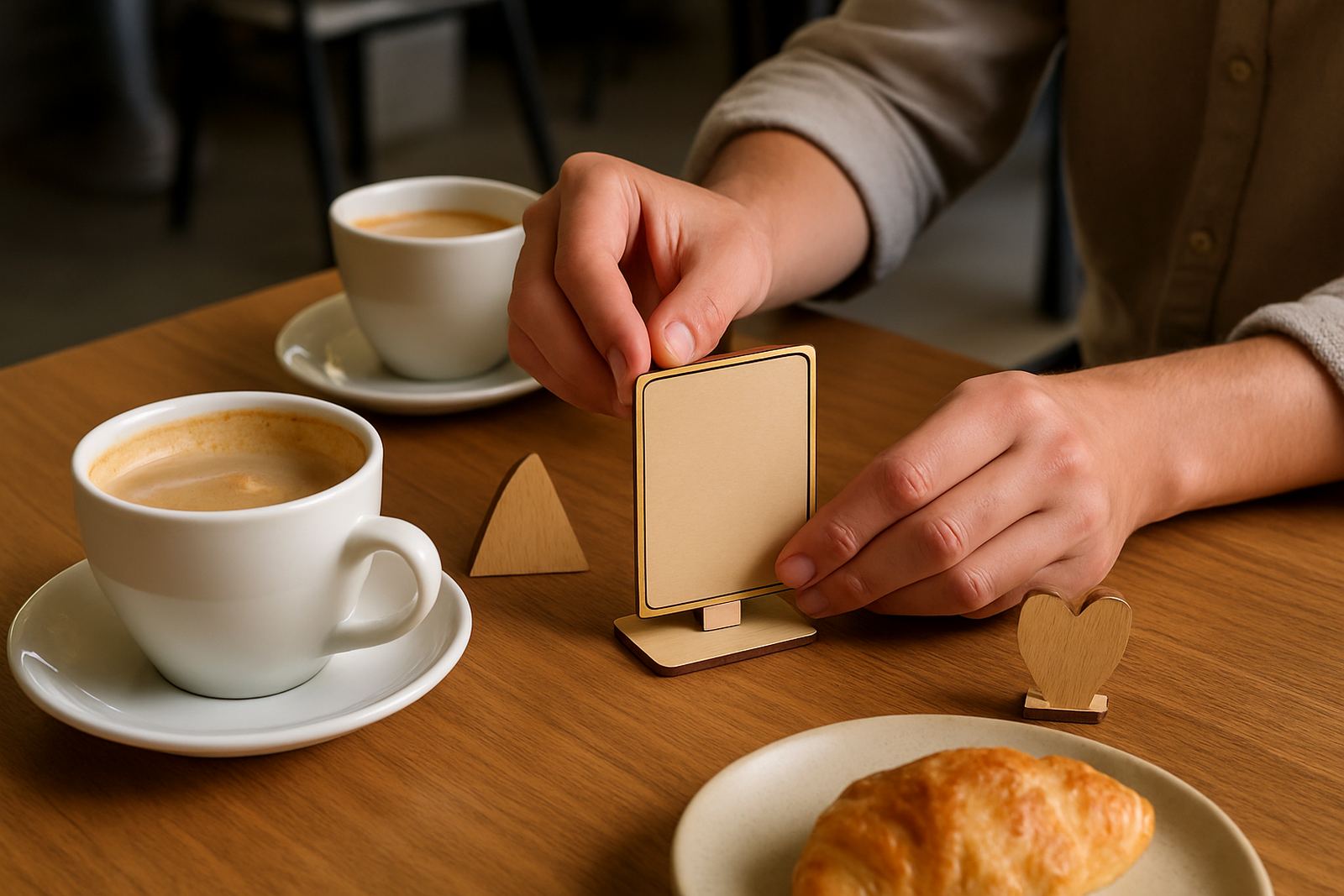
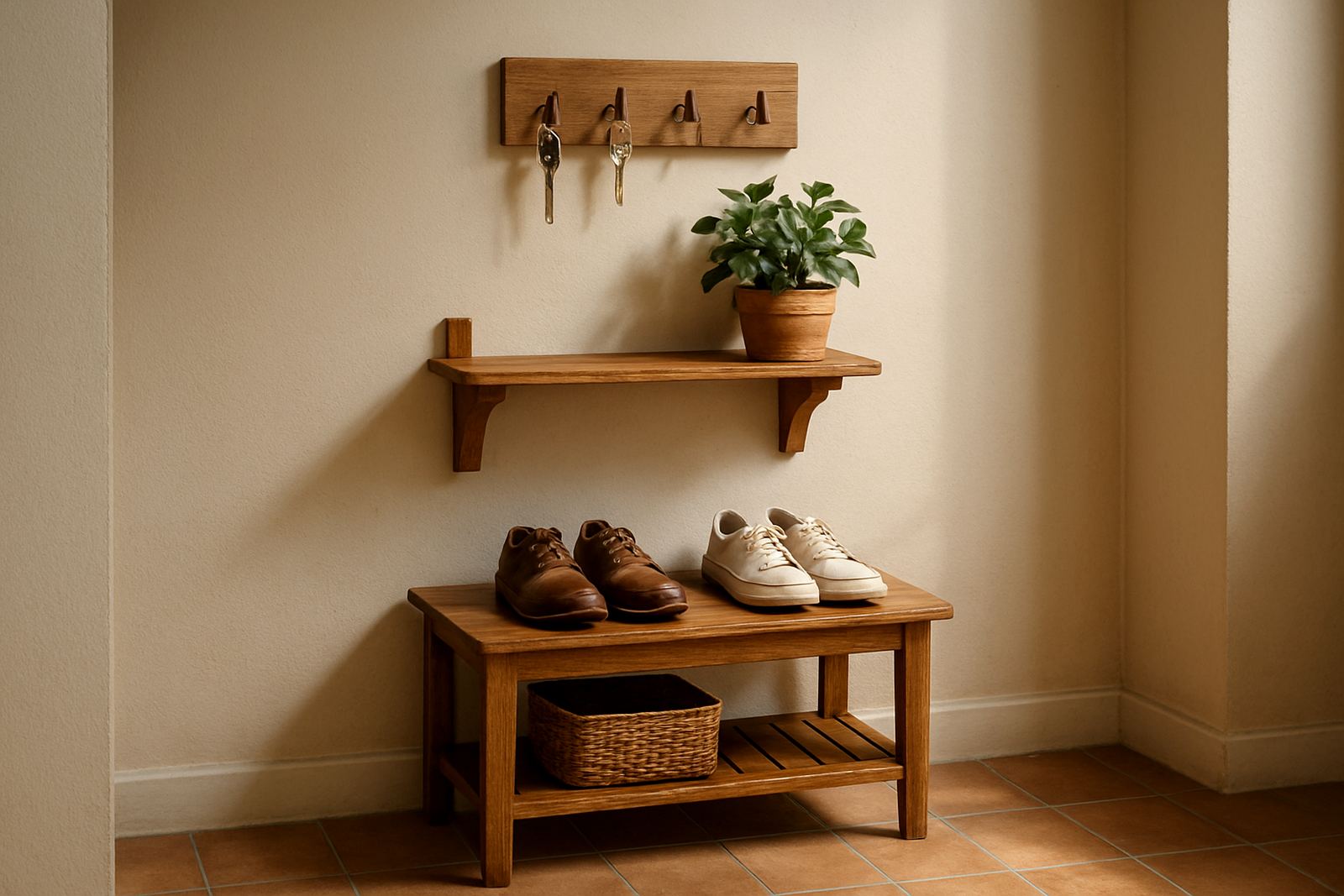
When a bulk order comes in, the first question is not only how many pieces you need, but where they will be used. A set of indoor name plaques for a wedding in Stellenbosch needs a different finish from shop signage going into a busy space in Cape Town or decorative pieces that will travel by courier to Hermanus. The wood type, thickness, coating and fixing method all change once the end use is clear.
For larger runs, we ask clients to define the purpose early so the production team can match the job to the right material and process. Some items are made for short term display, while others need to handle handling, humidity or repeated movement. If you are supplying multiple branches, one order may also need slight variations for each site, such as sizes for different wall spaces or wording for different departments.
It also helps to know if the order is for a single event or ongoing use. A once-off batch for a wedding in Paarl can be planned differently to a restock for a retailer that will order again in three months. The clearer the use case, the fewer surprises later.
Good artwork saves time and material
Artwork quality has a direct effect on the pace of the job. Clean vector files, correct spelling and the right dimensions mean we can move straight into cutting and engraving without back and forth. If your logo is being converted into a wooden sign, the line weight and spacing need to be checked carefully so the finished piece does not lose detail at smaller sizes.
For bulk work, the most common delays happen when the artwork changes after production has started. One small wording update on a set of 60 pieces can mean re-running the whole batch. That is why we encourage clients to approve one final version before cutting begins. A few minutes of checking up front can save a lot of waste later on.
- Send the final wording in one document, not across several messages.
- Include exact sizes in millimetres or metres where needed.
- Confirm spellings for names, towns and titles before approval.
- Share logo files in a clean format so lines stay crisp.
- Mark any items that must match a sample exactly.
If you are not sure whether your file is suitable, a quick creative consultation can help identify what needs adjusting before the order goes onto the machine.
Lead times should match the size of the job
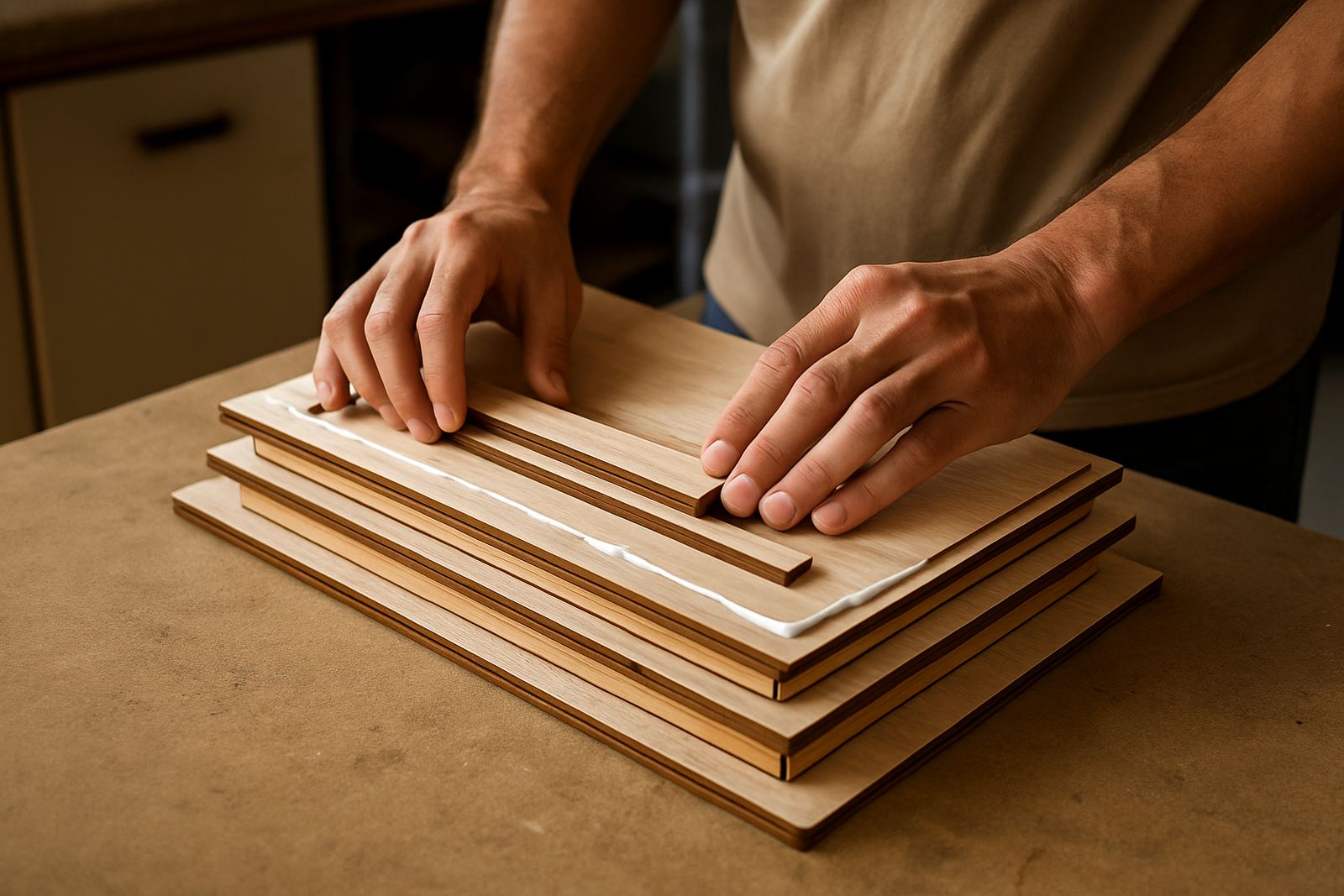
Bulk wooden orders need a realistic time frame, especially where there is engraving, layered assembly or finishing involved. A small batch of 15 personalised gifts may move quickly, but a larger production run with multiple pieces, sanding and packing can take several stages. In Somerset West, production planning also has to account for load-shedding windows and courier cut-offs, so a bit of extra notice is always useful.
Good planning gives space for sample approval, material ordering and final finishing. If the order is for an event, we recommend working backwards from the setup date, not the date you want the final box in hand. That way there is time for any correction before dispatch. A rushed order often costs more and leaves less room for proper finishing, which is not ideal for wooden pieces that should arrive clean and ready to use.
For corporate and retail clients, it also helps to set a simple production calendar. Even a two day delay in sign-off can shift the whole job if several departments are waiting on the same batch.
Set quantities in clear groups
One of the easiest ways to keep a bulk order on track is to break it into clear groups. Instead of saying you need a large number of items, specify how many of each type, colour or size are required. If an event needs table names, welcome signs and a gift set, each item should be listed separately. This makes pricing, cutting and packing much simpler.
For larger business orders, quantities should also reflect how the items will be distributed. A shop opening in Durbanville may need one batch for the entrance and another for internal displays. A hotel or guesthouse might need a main sign plus a few smaller directional pieces. Once the quantities are split correctly, it is easier to control waste and keep the order within budget.
- List each item separately with a count next to it.
- Note whether the same wording repeats across all pieces.
- State if any items need to be left blank for later personalisation.
- Confirm whether matching packing labels are needed by branch or venue.
- Tell us if you need extras for spares, breakages or sample approval.
This is especially useful for clients ordering across multiple delivery points, such as Somerset West, Stellenbosch, Cape Town, Paarl or Hermanus. The clearer the split, the easier the dispatch.
Why samples matter before full production
A prototype sample can prevent a costly mistake on a bigger run. When you are ordering a new sign style, a gift line or a layered piece for interior branding, one sample helps confirm size, colour, thickness and finish before the full batch is cut. It is much easier to change a 1 piece test than to rework 100 items after production has started.
Samples are also useful when a client has several decision makers. A physical piece gives everyone something to inspect for feel, clarity and mounting. In a humid coastal area like the Strand or Gordons Bay, for example, finish choice can matter more than people expect. A sample shows how the wood tone, engraving depth and protective coating work together in real conditions.
For event planners, a sample can also settle layout questions. Once the first version is approved, the full order tends to move faster because there is no guessing about the final look.
Packing and courier planning for wider delivery
Bulk wooden items need careful packing because corners, edges and engraved surfaces can mark in transit if they are left loose. Courier packing is part of the job, not an afterthought. Pieces are grouped in a way that suits the order, with attention to spacing, wrapping and box strength so the items arrive ready for handover.
When an order is going beyond Somerset West, the route matters too. A batch heading to Cape Town may move differently from one going to Hermanus or Paarl, and the packing method should suit the journey. Larger signs and layered items need support so they do not shift inside the box. If the order is split across branches, each parcel should be labelled clearly to avoid mix ups on site.
We also advise clients to factor in who will receive the goods. A shop manager, wedding coordinator or office admin team may need simple counts and clear labels so they can check the delivery quickly. That saves time on the day, especially when setup is happening under pressure.
A local example from Somerset West to the coast
A recent bulk order for a client in the Helderberg area needed 48 engraved wooden gifts, 12 directional signs and a layered welcome piece for a weekend event near the coast. The client had the wording finalised, but the artwork for the welcome sign still needed spacing adjustment. We first produced one sample, checked the fit against the venue dimensions and then moved into the full run once approval came through.
The lead time was planned around a Friday setup, so production started early in the week and packing was done the day before dispatch. That gave enough time to account for drying time on the finishing stage and one extra check on the count. The result was a cleaner handover and no last minute scrambing for missing pieces. For bulk orders, that kind of planning is what keeps everything manageable.
Whether you are ordering for a wedding, a retail rollout or a corporate event, the best results come from three things: clear artwork, sensible lead times and exact quantities. Get those right from the start and the rest of the process becomes far easier to manage.