
Start with the space you actually have
Before ordering anything, measure the table, trestle, shelf or counter you will be using. A display piece that looks neat on a screen can be too tall for a gazebo frame, too wide for a folding table, or too awkward to pack into a hatchback. At Somerset West markets and weekend stalls across the Western Cape, compact packing usually matters as much as appearance.
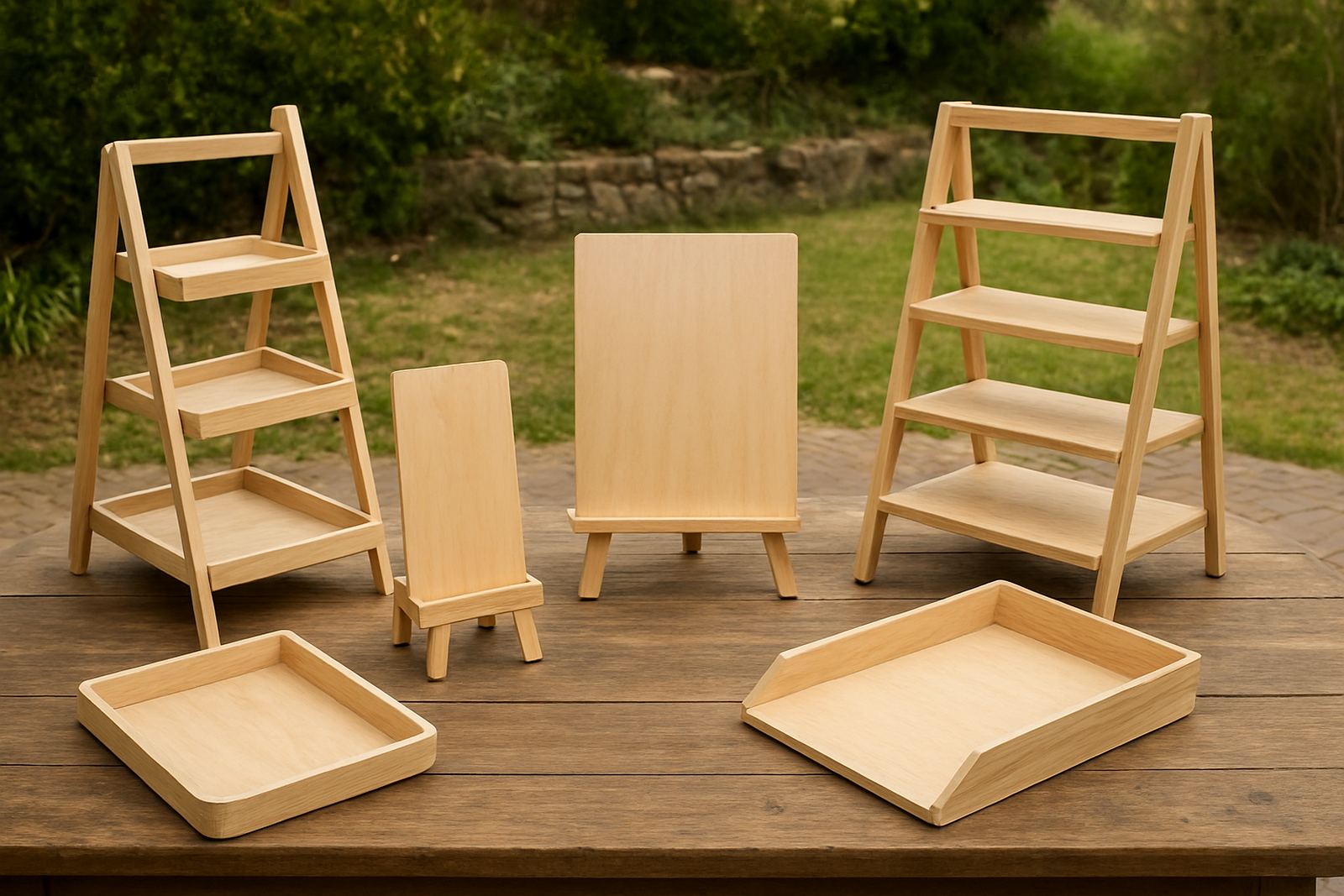
Write down the usable width, depth and height of your selling space. Then think about where customers stand, where they queue, and how much product you want at eye level. If you sell small items like soaps, jewellery, treats or stationery, layered pieces work well. For larger goods, keep the display low enough so buyers can see stock from the front without blocking the table. It also helps to allow for wind, uneven paving and the odd knock from passing shoppers.
Choose wood thickness and finish for real trading conditions
Wooden display pieces are often used more than people expect. They get packed, unpacked, wiped down, moved between towns and stored in garages or storerooms. For that reason, the material thickness and finish should match the kind of use you plan for. Thin parts can work for lightweight signage, but freestanding pieces often need a stronger base or additional support.
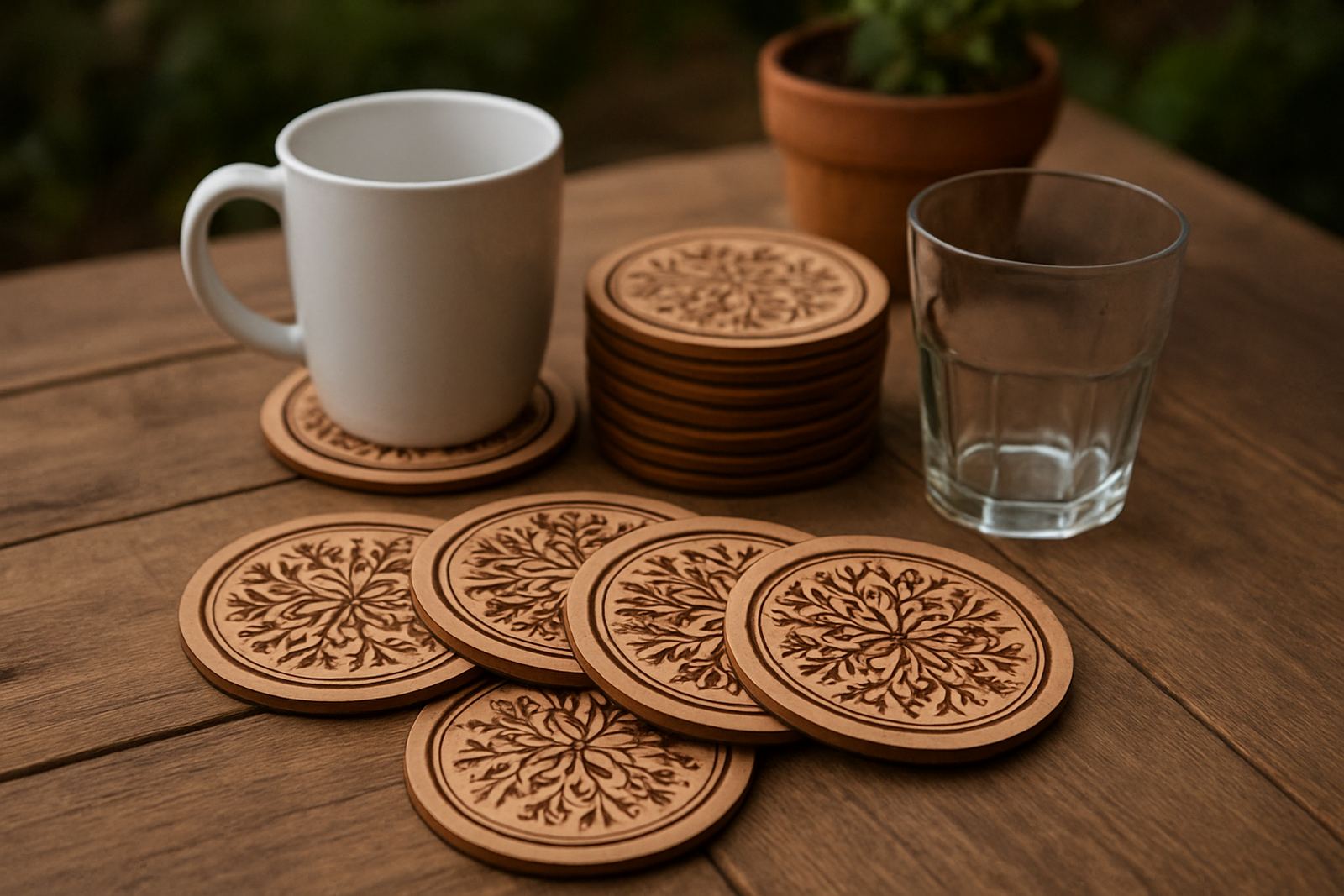
Coastal humidity in places like Hermanus, Strand and Gordon's Bay can affect untreated wood, so it is worth asking for a finish that suits the environment. If your pieces will sit near food, damp hands or outdoor weather, ask for smooth edges, sealed surfaces and easy cleaning. For indoor markets or boutique counters, you may want a lighter natural look with clear contrast for engraving. The best choice is usually the one that balances appearance, handling and storage.
- Ask how the item will stand upright or stay balanced.
- Check whether the finish can be wiped clean after use.
- Confirm if the piece will fit in a flat box or need assembled parts.
- Let the maker know if the item will be used outdoors or near moisture.
Make your branding easy to read at a glance
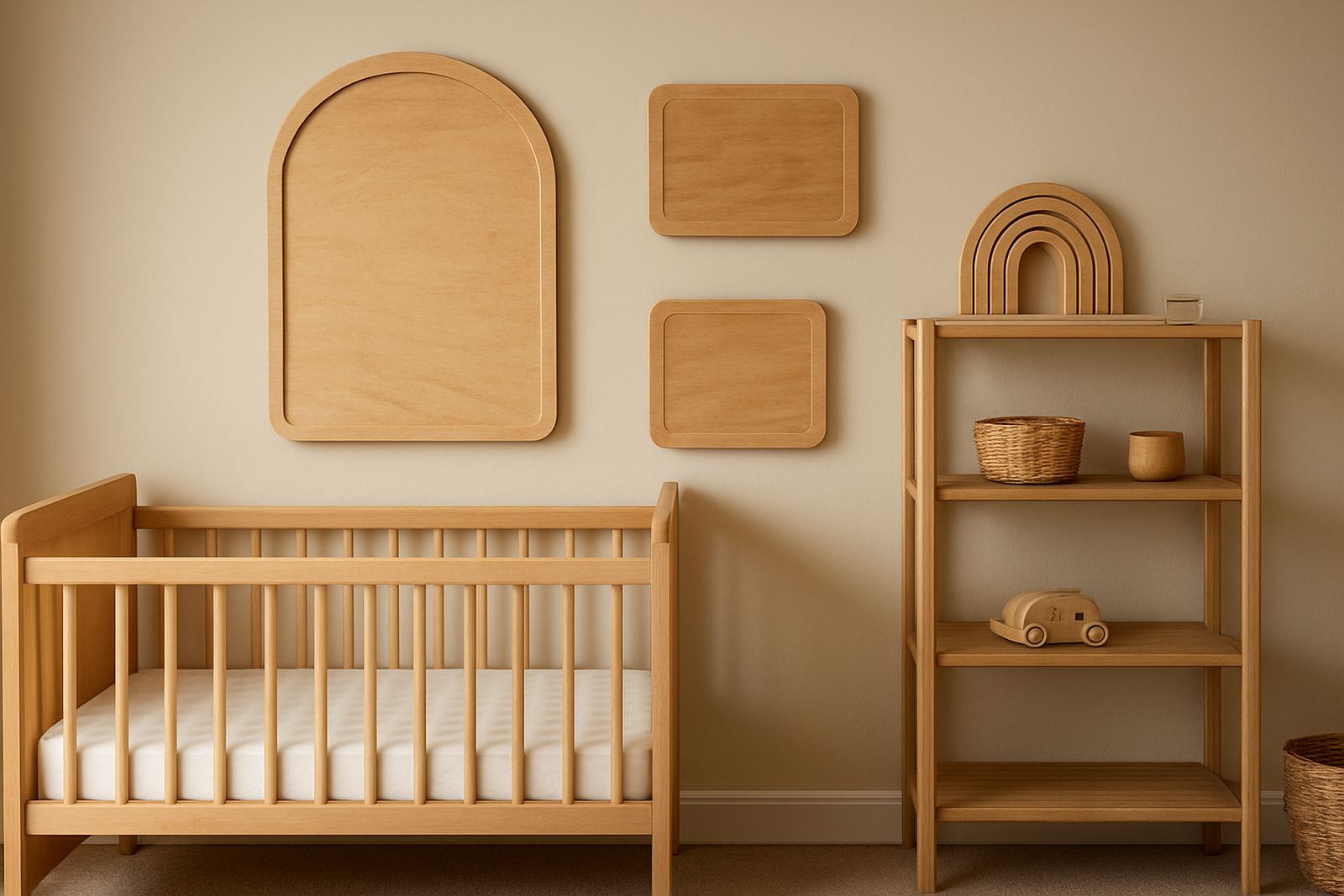
At a busy market, people do not study signs for long. They look up, scan, and decide in a few seconds whether to stop. That means your wooden display should carry clear wording, simple shapes and enough contrast to read from a short distance. If your brand name is long, it may need a shorter version for display use, or separate pieces for logo, product name and price.
Keep the message short. A clean sign that says what you sell is often more useful than a fancy panel packed with detail. For example, a trader selling baked goods might need one large main sign, one price board and a small list of flavours. A maker of candles may need a brand sign and a set of scent labels. If you trade in several towns, keep the core layout the same so your stall is recognisable from one event to the next.
- Use one main message per sign.
- Leave enough empty space around the wording.
- Check that numbers and pricing are legible from 2 to 3 metres away.
- Ask for sample wording if you are unsure about layout.
Plan for setup, pack-down and transport
A display that works well on the day should also be easy to move. If you are doing markets in Cape Town one weekend and Paarl the next, you need pieces that pack neatly and do not rattle around in transit. Interlocking parts, flat-pack sections and named sets can save time when you are loading stock at 5am and trying to set up before opening.
Think about how many hands will be available during setup. If one person usually does the stall, keep the number of separate parts low. If your vehicle is small, ask for pieces that stack flat or fit into standard boxes. It is also wise to label each item or group pieces by function, such as price holders, product risers, menu boards and payment signs. That makes pack-down quicker, and reduces the chance of leaving something behind.
- Measure the boot space in your vehicle.
- Ask whether the display can be packed flat.
- Keep screws, pegs or supports in a marked pouch.
- Test how long setup takes before your first market day.
Order samples before you commit to bulk
If you are testing a new market or a new product line, start with a sample or small run. A prototype lets you check size, strength, readability and finish before placing a larger order. This is especially useful for traders who sell seasonal items, wedding favours, gift boxes or promotional products where the layout may change from one event to the next.
A good sample should be used in the real setting, not just seen on a table at home. Put it next to your stock, step back, and look at it from the customer side. Check whether the wording stands out under market shade netting or bright sun. If the piece tips, blocks stock or takes too long to pack, adjust it before producing more. That small test can save money and avoid wasted stock later on.
Use one system for pricing, restocking and repeat orders
Once your display works, keep notes on what was ordered, what changed and what needs replacing. Traders who revisit the same events often benefit from a repeatable set of display pieces rather than a fresh layout every time. That makes it easier to replace damaged items, add new products and keep your stall looking consistent across Somerset West, Stellenbosch, Durbanville and beyond.
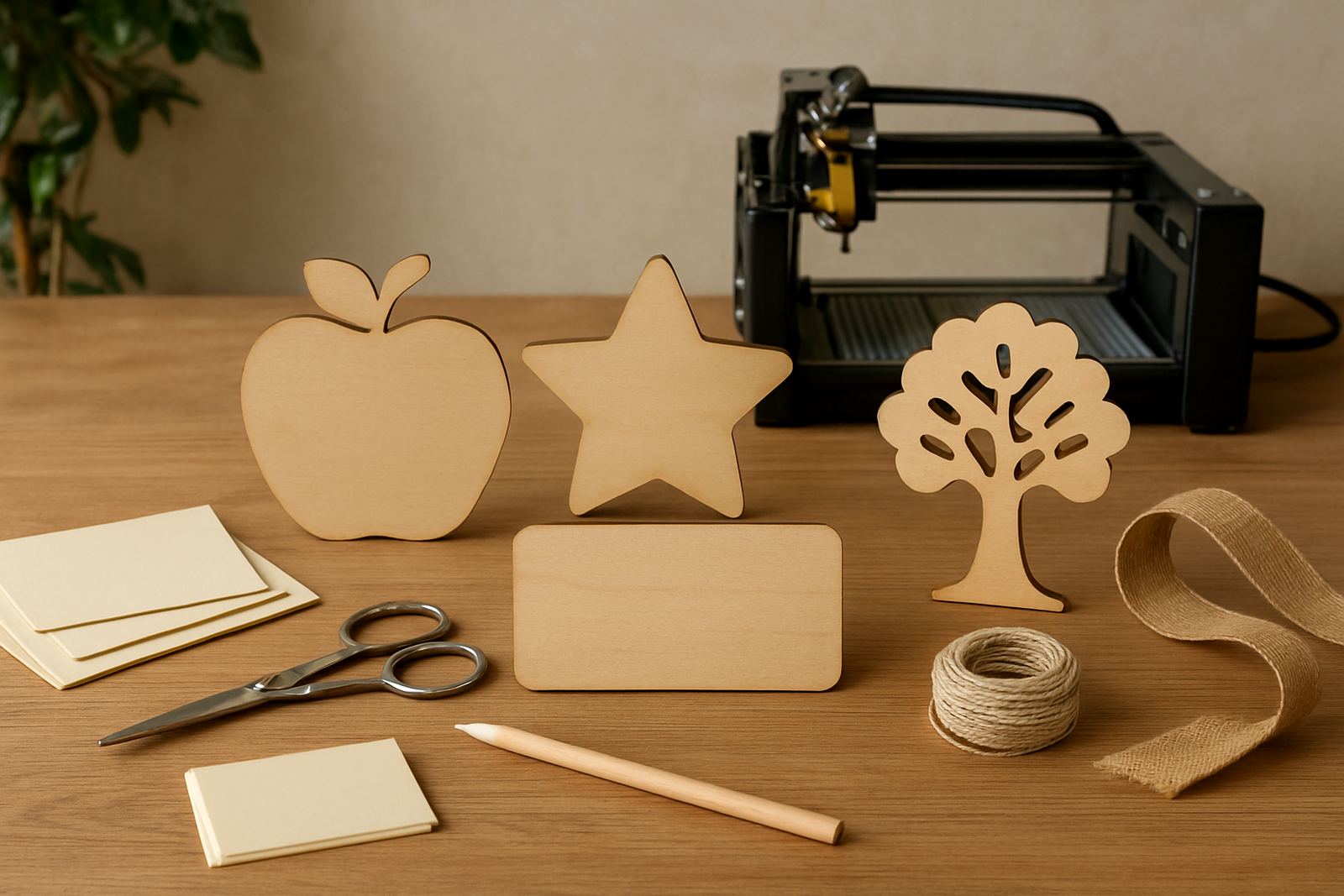
It helps to have one person manage changes, especially if several staff members are involved. At LaserCrafts, projects are handled through a small team that covers design, cutting, finishing, packing and client updates so the details stay in order. For a trader, the same idea applies: keep one contact point, one approved layout and one record of what was supplied. That way your next order can be adjusted quickly if a sign needs a different size, a new product line is added, or you need more pieces for a busy season.
- Keep a copy of the final wording and sizes.
- Note which items sold best at each event.
- Mark damaged parts so replacements can be ordered in time.
- Store display pieces in a dry place away from direct sun.