
Start with the way your menus change
Before you choose a format, think about how often your offerings change. A café with a fixed breakfast and lunch menu can use a permanent engraved board, while a wedding vendor or market stall may need panels that can be updated between events. The right format saves time, keeps the service area tidy and avoids reprinting costs every time a price changes.
For cafés in Somerset West, Stellenbosch and Cape Town, we often suggest separating the core menu from the specials. That way the main board stays neat, and the smaller board can be replaced when your soup, cake or drinks range changes. If your team works with handwritten inserts, make sure the writing area is large enough for clear spacing, especially when customers are standing 1 to 2 metres away.
Choose a format that suits your serving space
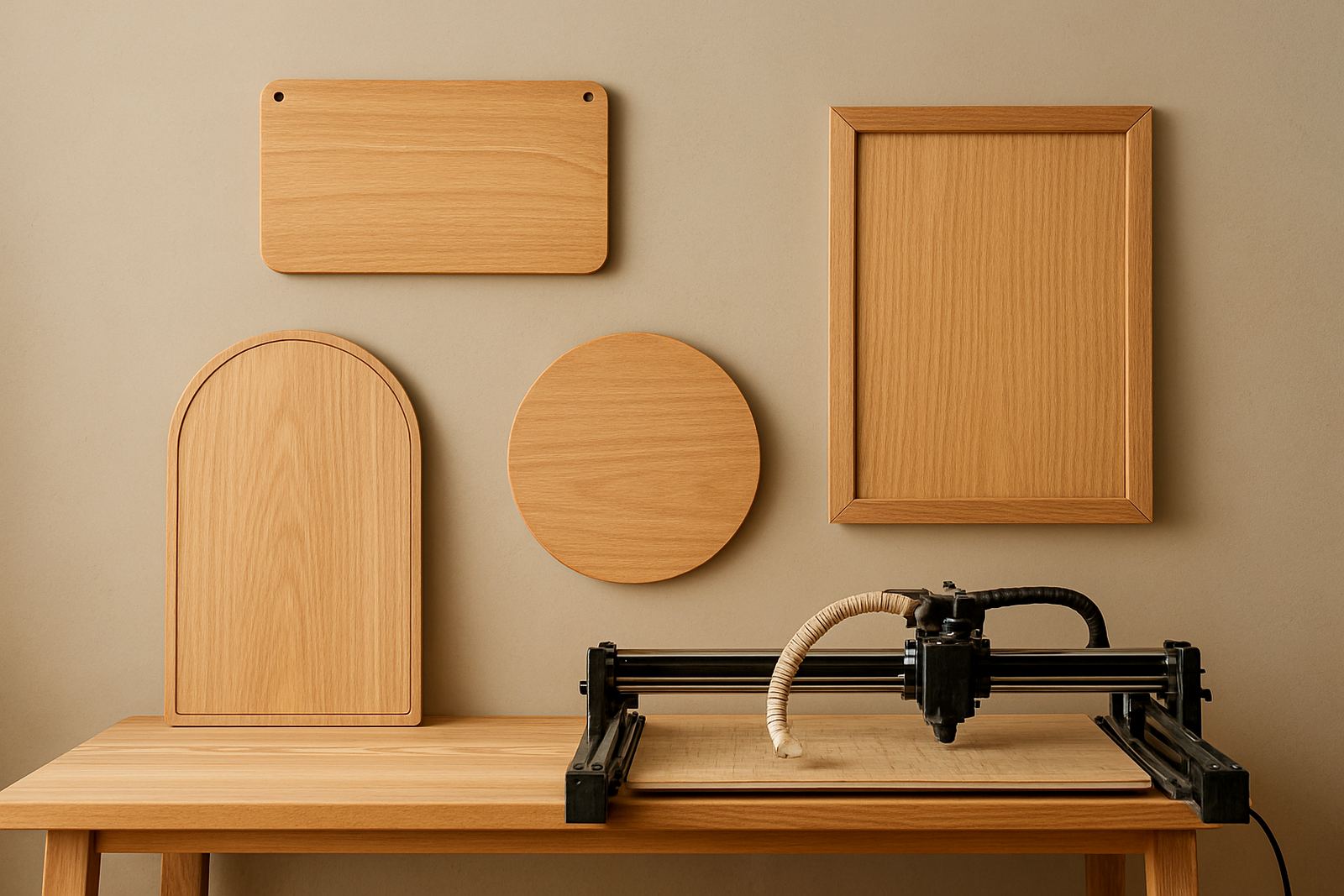
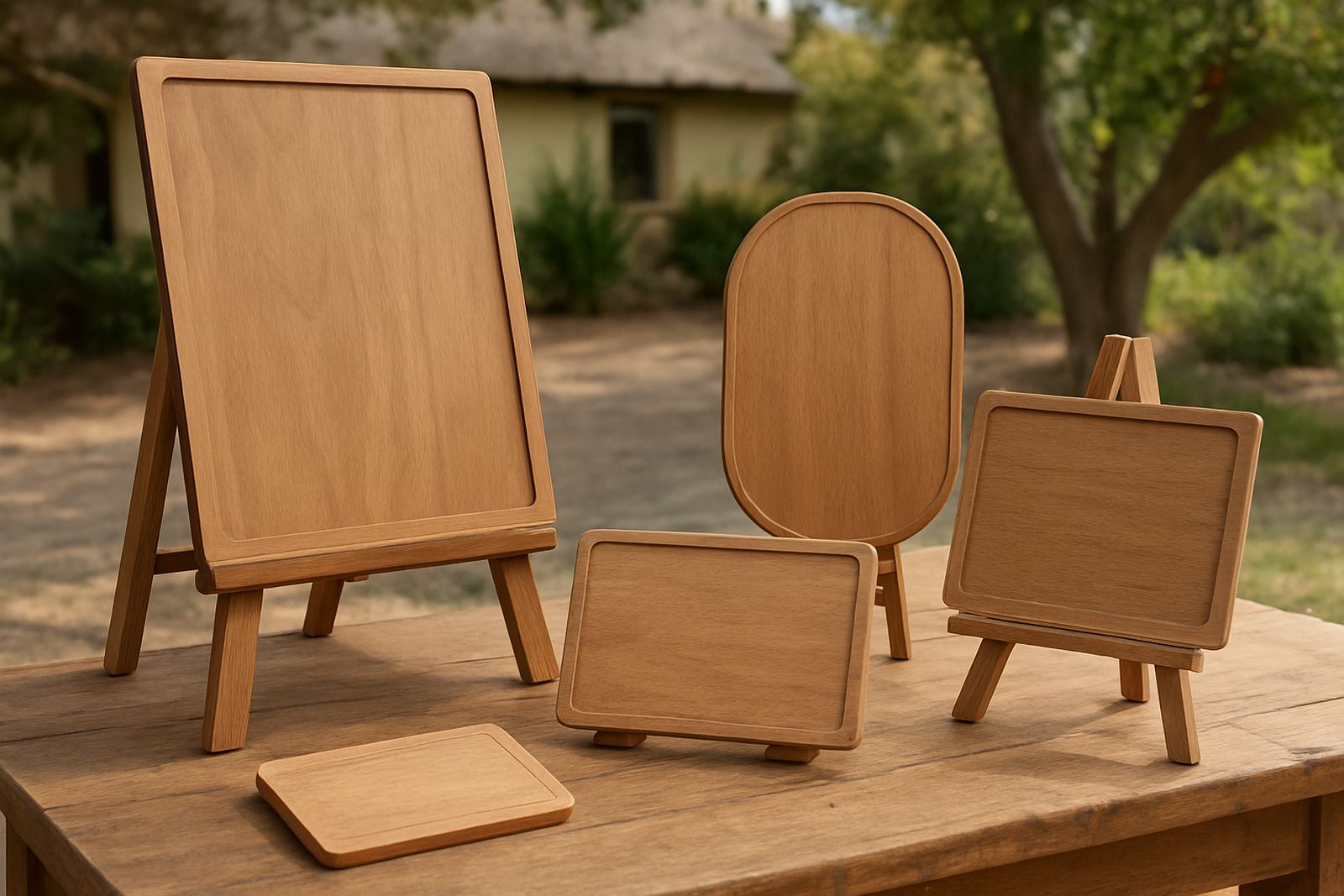
Menu boards work best when they fit the counter, wall or stall without crowding the space. A narrow coffee counter may suit a vertical board, while a wide service wall can take a layered layout with sections for food, drinks and add-ons. For outdoor event vendors in Paarl, Hermanus or Gordon's Bay, consider a format that can be packed flat and lifted quickly between setups.
- Wall mounted boards for cafés, bakeries and tasting rooms
- Countertop boards for till points and service stations
- Freestanding boards for wedding bars and pop-up stalls
- Multi-panel sets for menus that need categories or pricing tiers
Keep the board size in proportion to the viewing distance. A board that is too small gets ignored, while one that is too large can overwhelm a compact shopfront. If you are unsure, we usually mock up a few size options before cutting, so you can compare readability and balance.
Pick wood, finish and lettering for daily use
Wooden menu boards do well in South African service spaces because they feel warm and they are easy to match with shelving, display crates and serving counters. The finish matters though. In coastal areas like Strand and Hermanus, humidity can affect untreated timber, so sealed surfaces are a better choice for long-term use. For indoor cafés and shops, a smooth sealed finish also makes wiping easier after coffee splashes or fingerprints.
Lettering should be clear first and decorative second. A simple layout with good spacing will always read better than crowded text. Dark lettering on lighter timber works well for daylight viewing, while a deeper stained board can suit a more formal interior. If you want icons for coffee, cakes or vegan options, keep them small and consistent so the board still feels ordered.
For busy venues, engraved or cut-through lettering is useful because it stays legible after repeated handling. Painted fills can help with contrast, but they should still be easy to clean. If the board is for an event, ask for a sample finish first so you can check how it looks under tent lighting or indoor warm lights.
Plan the content before the board is cut
A clean menu board starts with organised content. Write out your items in the order customers make decisions, not just the order they appear in your kitchen records. For example, put coffees together, then cold drinks, then food. If you run specials, leave room for a small section that can be updated without changing the whole board.
- List your top sellers first
- Keep item names short where possible
- Group prices in a consistent format
- Leave space for specials, add-ons or allergens
- Check spelling and currency before approval
For event vendors, this step matters even more because guests often scan the board quickly. A menu with too much detail slows down the queue. If your service changes from morning to afternoon, a two-part board can help keep the options clear without having to rewrite everything on site.
Use menu boards for more than ordering
A good board can do more than list products. It can guide customer flow, show your brand personality and support your setup. Many cafés use one main menu board and then smaller signs for takeaway packs, pastry specials or table numbers. At weddings and private functions, wooden boards can be used for welcome messages, bar menus, seating notes and dessert stations.
For shops and tasting rooms across the Western Cape, branded boards can also be part of the interior. A wooden board behind the till or near the tasting counter helps create a consistent look without needing a full refit. If you are opening a new space in Durbanville or Stellenbosch, this is a practical way to carry the same style through the room.
We often recommend creating one family of boards rather than a single sign on its own. That way your menu, specials board and directional signs all speak the same visual language. It makes the service area feel organised, and customers know where to look.
Order in a way that avoids delays and rework
For a café, market stall or event board, send the wording early and include the final measurements. A clear brief helps avoid delays, especially when you need the board couriered to Cape Town, Paarl, Hermanus or further afield. It also helps to mention whether the board will hang on a wall, sit on a stand or move between venues.
Before production starts, check the following:
- Final wording and spelling
- Board size and orientation
- Mounting or display method
- Finish preference and colour contrast
- Delivery deadline and event date
For larger orders, ask for prototype samples first. This is useful when you are fitting out multiple sites or comparing a few layout options. It saves time later and makes sure the final boards suit the way your team actually works. A small change in spacing or size can make a big difference at service speed.