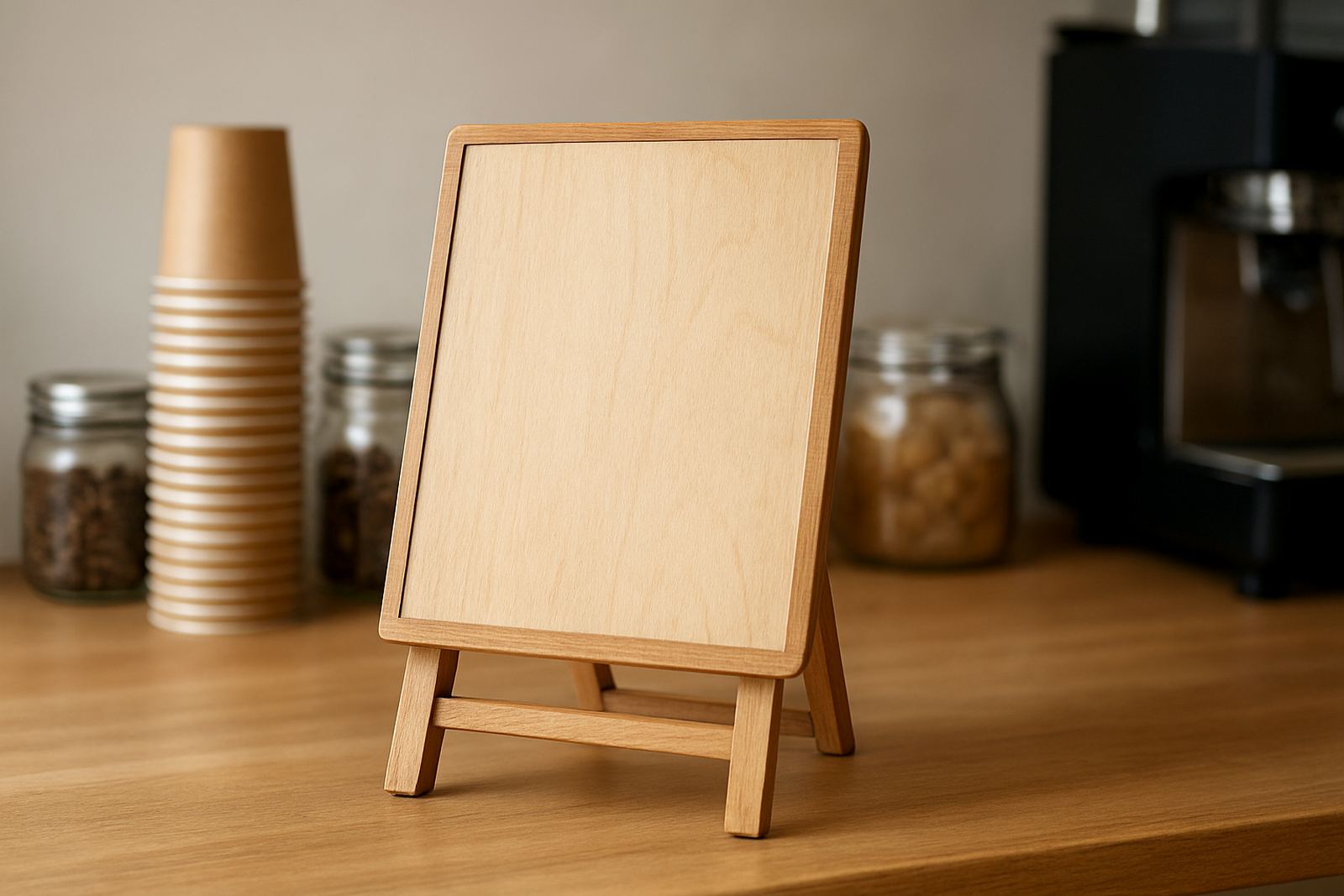
What a wooden menu board does on the counter
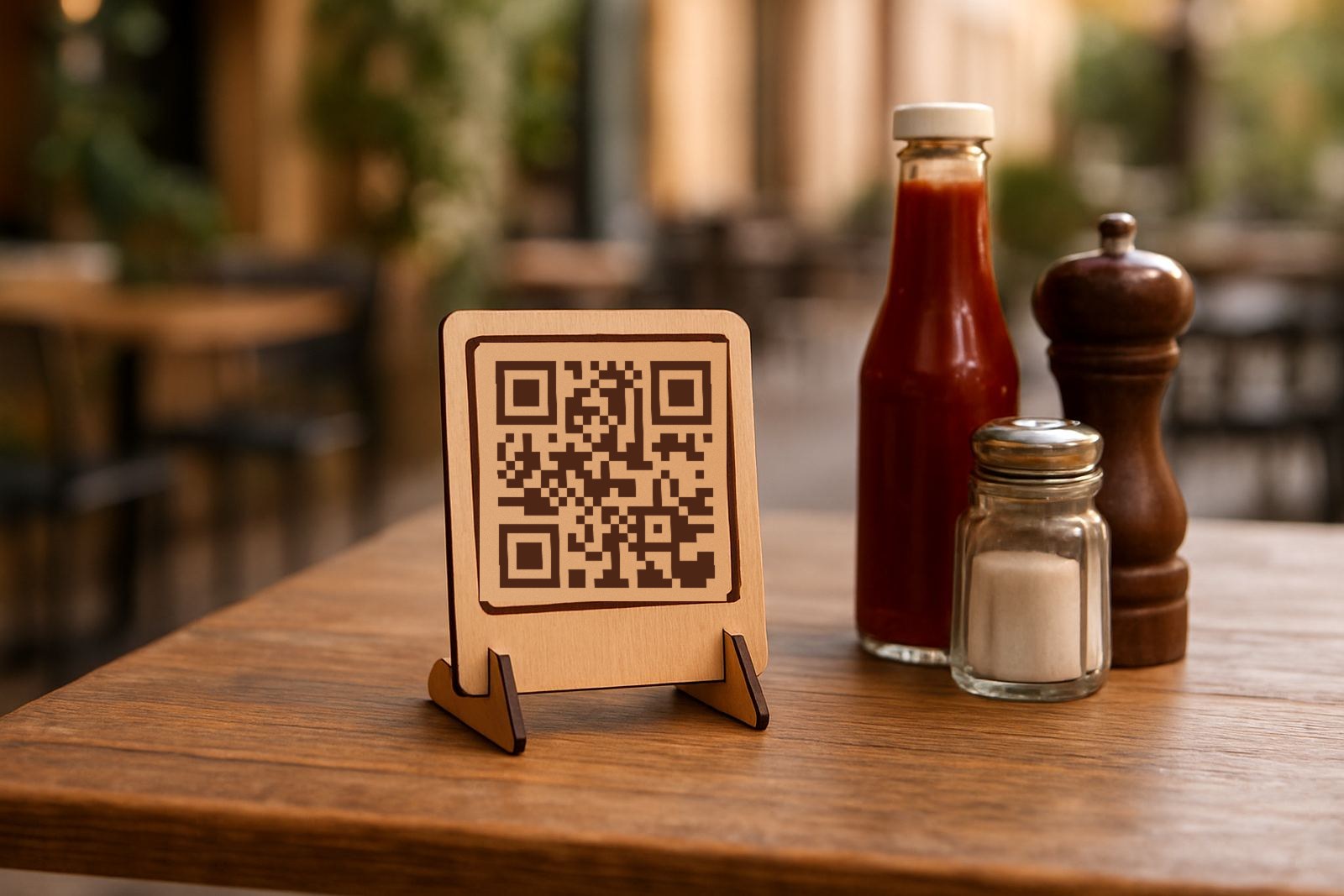
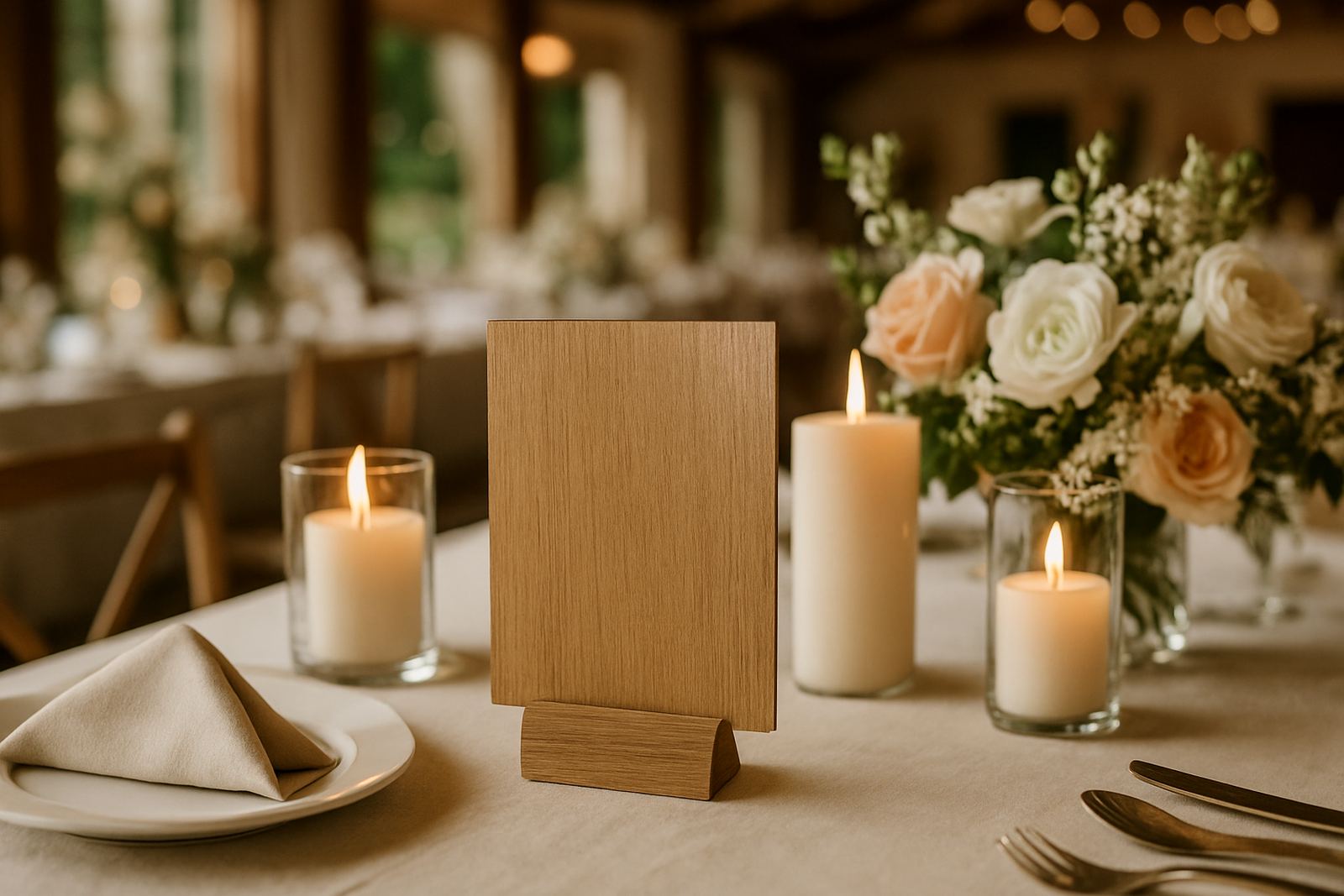
A wooden menu board keeps your menu visible without looking cold or temporary. It works well where customers need to read quickly at the till, bar counter, tasting counter or food station. The board can be plain, engraved with text, or layered with raised elements for a more tactile finish. For many small businesses it also solves the problem of changing paper menus that wrinkle, tear or go missing after a busy weekend.
We cut and finish the boards in Somerset West for homes, hospitality spaces and retail counters across the Western Cape and nationwide by courier. The boards are made for indoor use unless a specific coated finish is requested for sheltered outdoor placement. If you need something for a wine tasting room, market stall, wedding food table or café service point, we can match the size and style to the space.
- Suitable for menus, specials boards, drinks lists and tasting notes
- Can be wall hung, counter stood or attached to a frame
- Works for single boards or matching sets across several serving points
- Can include branding, pricing, icons and section headings
Sizes, timber options and layout choices
Most wooden menu boards are made in rectangular formats, but we also cut arches, rounds and custom outlines for weddings, pop-up shops and feature walls. Common sizes range from 300 x 400 mm for compact counters up to 600 x 900 mm for larger menu displays. For layered menu sets, we can produce a main board with detachable or swappable panels if your offering changes often.
Material choice depends on the finish you want and how the board will be handled. Lighter boards are easier to move between events, while thicker panels feel more substantial on a permanent counter. If the board is going to sit in a busy coffee shop or tasting room, we normally recommend a more hard wearing timber option with a sealed face and edges.
- Standard board thickness: 6 mm, 9 mm, 12 mm or 18 mm depending on design
- Common finishes: natural timber tone, stained finish or painted face with exposed grain
- Lettering options: engraved, cut-through, raised layer or printed label insert area
- Mounting choices: keyhole slots, hidden hangers, stand slots or standoff fixing points
Where these boards work best in daily trade
Wooden menu boards suit places that need a neat first impression and quick reading distance. Cafés use them for breakfast boards and specials. Markets use them because they pack flat and do not bend in transit. Tasting rooms often use them for structured wine, coffee or snack lists. Event caterers use them for buffet stations where the menu needs to be clear for guests but still fit with the styling of the function.
We also make boards for shops that want a consistent branded look across the till point, window display and product counter. In coastal towns such as Gordon's Bay, Strand and Hermanus, a sealed finish helps with humidity and daily handling. In busy interiors, the board should be readable from 1 to 2 metres away and should not rely on tiny text that becomes difficult once the queue builds up.
- Cafés, bakeries, coffee bars and breakfast counters
- Wine tasting rooms, deli counters and farm stalls
- Wedding food tables, event stations and mobile catering setups
- Gift shops, boutique retail spaces and reception counters
Installation, hanging and power or gas needs
The menu board itself does not require electricity or gas. It is a passive display piece, so the only planning required is how it will be mounted and whether the surface behind it can carry the weight. For wall fixing, we can make keyhole slots, pre-drilled holes or hidden mounting points. For counter use, we can build a stand or provide a back support so the board sits at the right angle for customers.
If the board sits near heat, steam or cooking equipment, leave enough clearance for safety and for a cleaner finish over time. This matters in bakeries, food trucks, hotel breakfast areas and event kitchens where trays, pans and hot plates move around. If your site has load-shedding, the board is still useful because it remains readable when lights are limited and the service point must keep moving with less fuss.
- No electrical connection required
- Can be made for wall, counter or freestanding use
- Best kept away from direct flame, open heat and standing water
- For outdoor or semi-covered use, ask for a sealed finish and secure fixing points
Care, cleaning and long-term servicing
A wooden menu board should be wiped with a dry or lightly damp cloth, then dried straight away. Do not soak the surface or use harsh cleaners, especially on engraved lettering or painted details. If the board is used daily in a café or tasting room, a quick weekly check for loose fixings, edge wear and staining will keep it looking tidy. A small amount of wear is normal on high-touch areas and can often be sorted with a light re-seal or touch-up.
For business owners who change menus often, it helps to keep the board in a protected place when not in use. Wrap it for courier transport, store it flat and avoid stacking heavy items on top. Humid coastal air, steam and direct sun can all affect timber over time, so a sheltered position is better than a window edge or uncovered outdoor wall. If you need additional matching boards later, we can work from the same layout so the new piece matches the original stock.
- Clean with a soft cloth only
- Avoid bleach, abrasives and soaking
- Keep the board flat, dry and out of direct sunlight
- Ask for re-finishing if the board starts to dull after heavy use
What to confirm for a custom menu board order
Before ordering, think about where the board will sit, how often the menu changes and how far away customers will be when reading it. Send us the wording in the order you want it to appear, with spelling checked and prices confirmed. If you need a logo, section headings or icons, supply them in a clear file where possible. An exact layout with your sections and prices lets us prepare a proof for approval.
It also helps to know whether the board is for a one-off event or ongoing daily use. A wedding sign may only need a single polished piece, while a café board may need a tougher finish and a layout that leaves room for future price changes. If you are not sure about sizing, measure the wall or counter space and leave allowance for mounting hardware. One small error at the planning stage can throw the whole display off, so check the details before production starts.
- Exact wording, prices and spelling
- Preferred size and orientation: portrait or landscape
- Mounting method and available space
- Finish choice, especially for coastal use or high traffic areas
- How often the menu will change
Ordering from Somerset West for delivery nationwide
LaserCrafts is based in Somerset West and we supply wooden menu boards to Stellenbosch, Cape Town, Paarl, Hermanus and further afield by courier. Clients can send their brief through the enquiry form on our contact page and our team will work through the layout, size and finishing details with them. For larger hospitality orders or multi-site branding, we can also produce matching pieces so your menu display stays consistent across locations.
Our team includes production, design, finishing and dispatch support, which helps keep the process practical from first sketch to packed courier box. Whether you need one board for a market stall or a set for a café group, we can prepare the pieces to suit the schedule and the space. If a sample is needed first, we can arrange a prototype before the full run, which is often useful when the wording is long or the display needs to fit into a tight opening.
- Suitable for single boards, small batches and bulk production
- Courier packing available for local and national delivery
- Prototype samples can be made before final production
- Matching signage pieces can be ordered at the same time
Key facts
| Material | Laser-cut timber board with optional layered elements |
|---|---|
| Common sizes | 300 x 400 mm, 400 x 600 mm, 600 x 900 mm, or custom |
| Thickness options | 6 mm, 9 mm, 12 mm and 18 mm depending on design |
| Finish options | Natural, stained, painted, sealed or mixed finish |
| Mounting options | Wall hang, counter stand, hidden fixing or freestanding support |
| Use | Indoor use by default, with sheltered or sealed options for semi-outdoor areas |