What a prototype sample includes
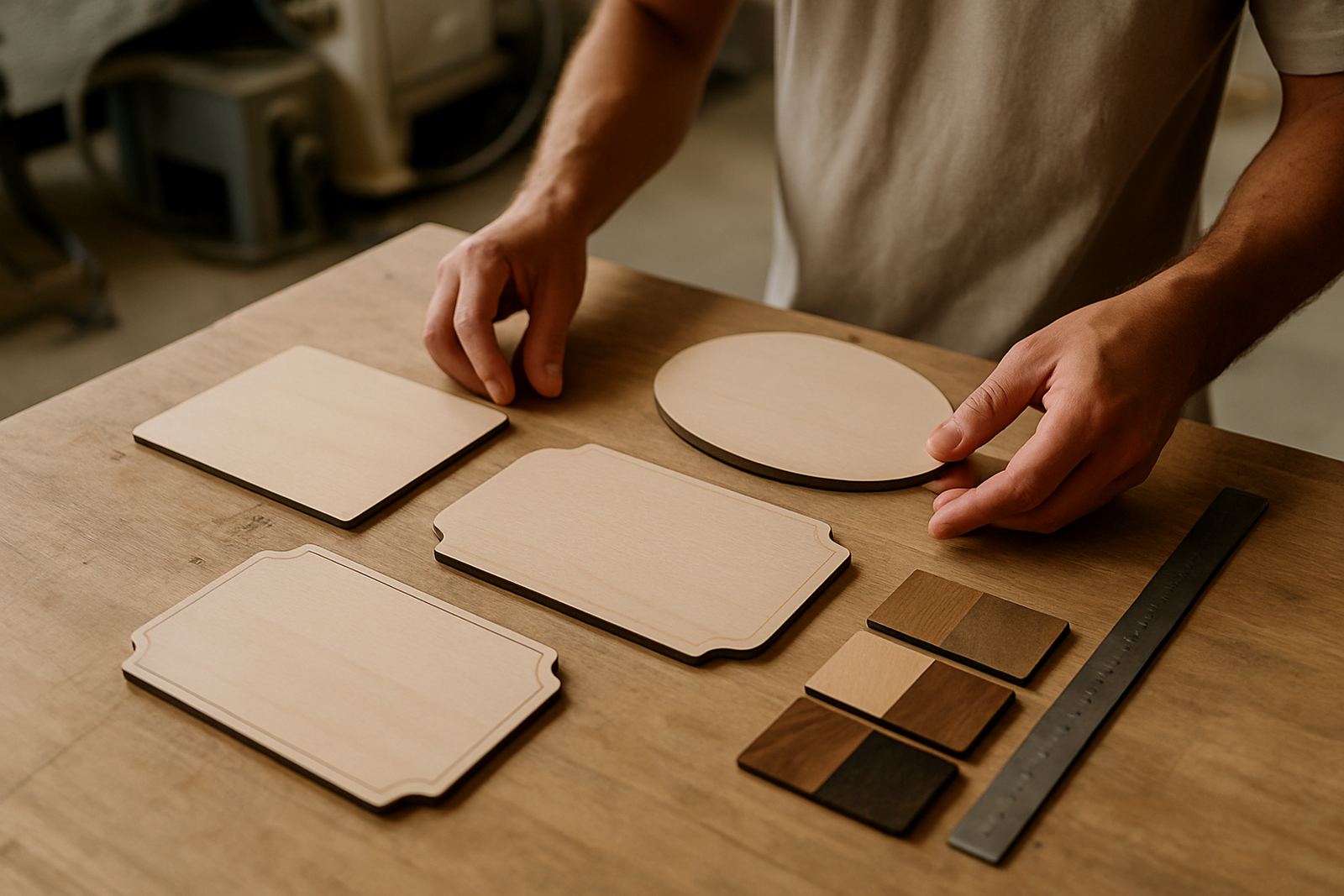
A prototype sample is a working example of your design in the actual material and thickness we plan to use on the final order. It helps you check lettering size, line weight, cut depth, grain direction, mounting method and finish before production starts. For many clients in Somerset West, Stellenbosch, Cape Town and Paarl, this step saves time and avoids costly changes later.
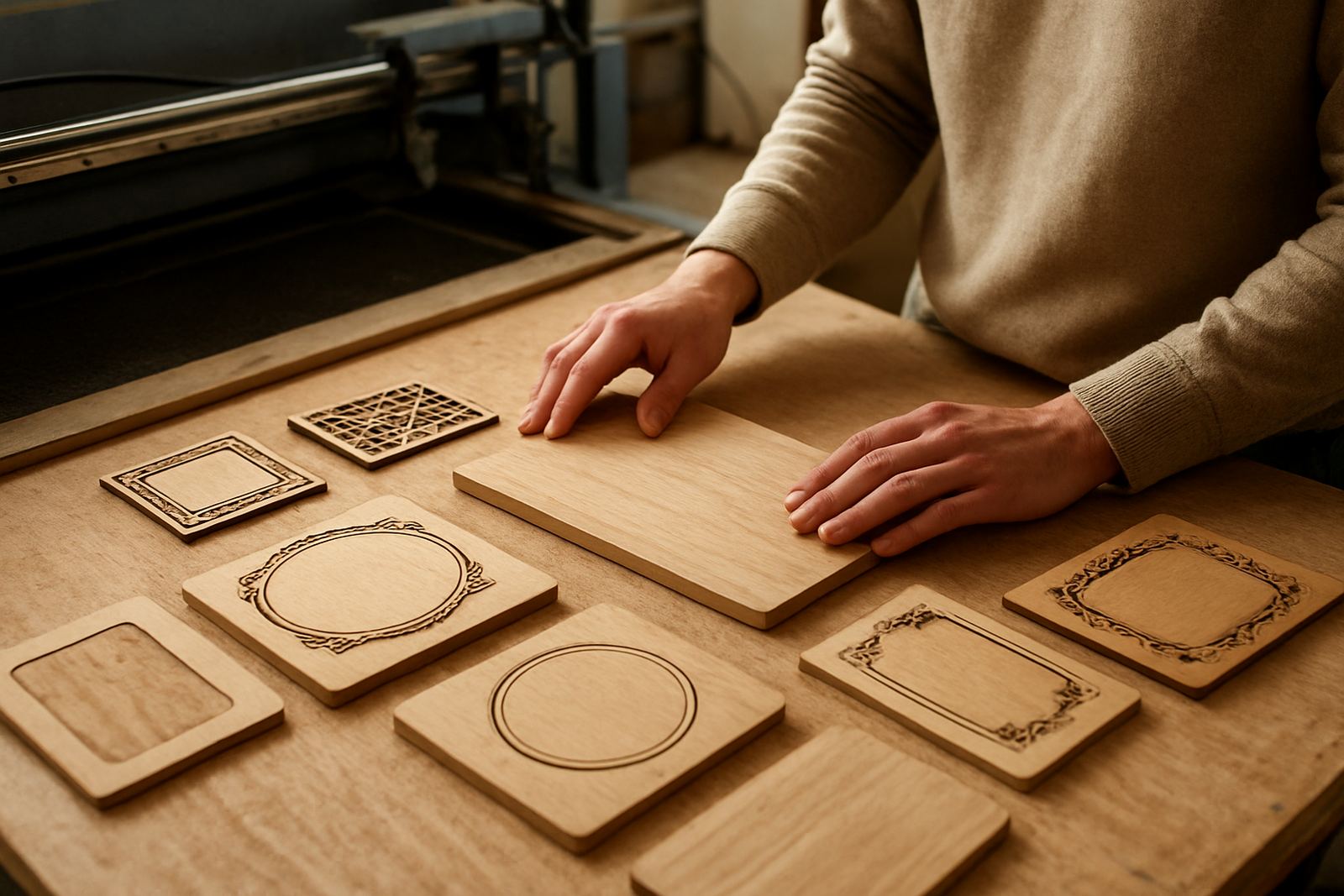
Depending on the project, your sample may include one item or a small set of options. We can test different fonts, backing boards, paint tones, hanging points or layered spacing. If the final order is for a shop front, wedding table number set or corporate giveaway, we will also check how the piece photographs and how it reads at a distance.
- Sample size matched to the final product or a scaled section for detail checks
- Actual timber or wood-look board used for the order wherever possible
- Choice of raw, sealed, stained or painted finish
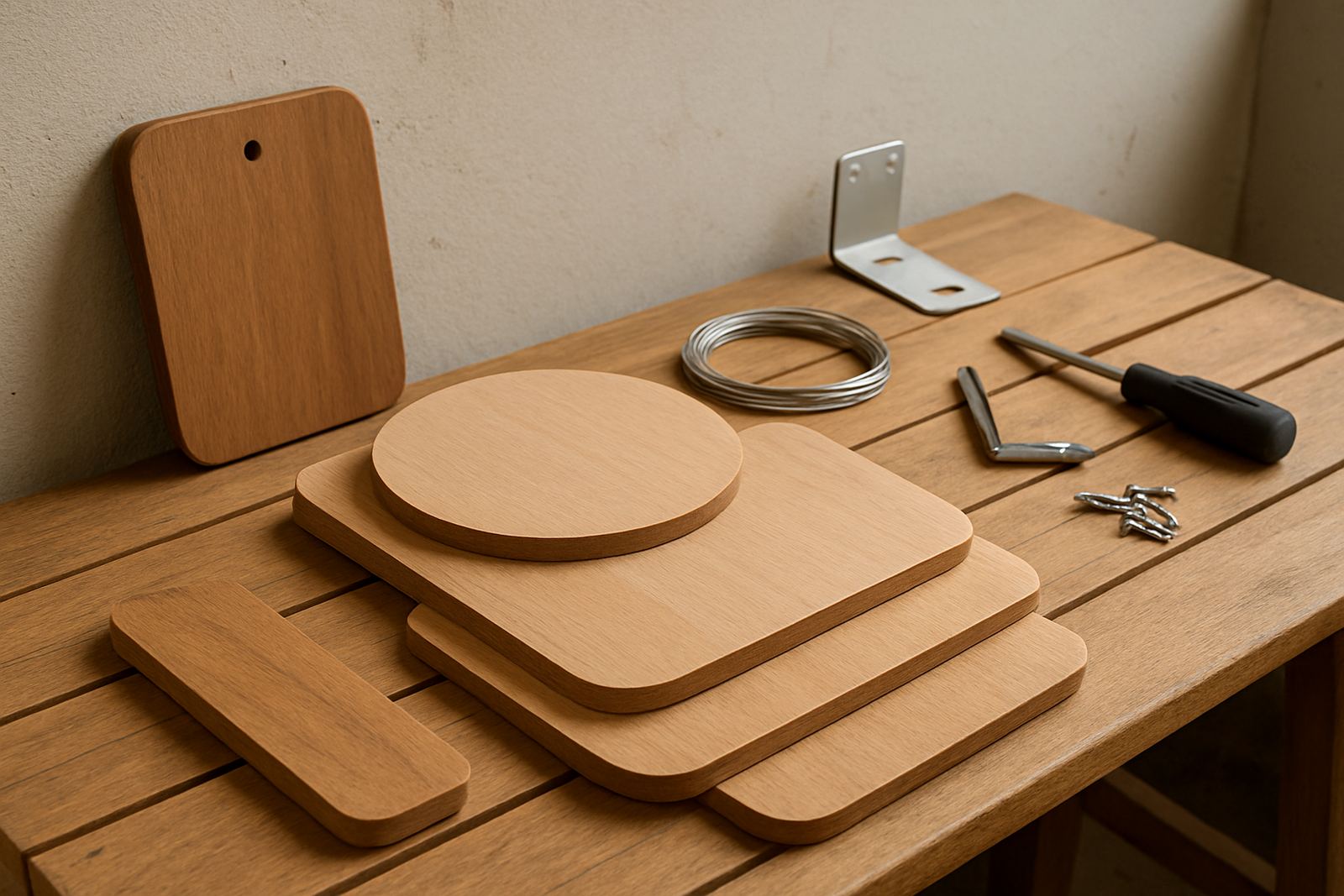
- Test fit for slots, stand backs, hanging holes or fixings
How the sampling process works
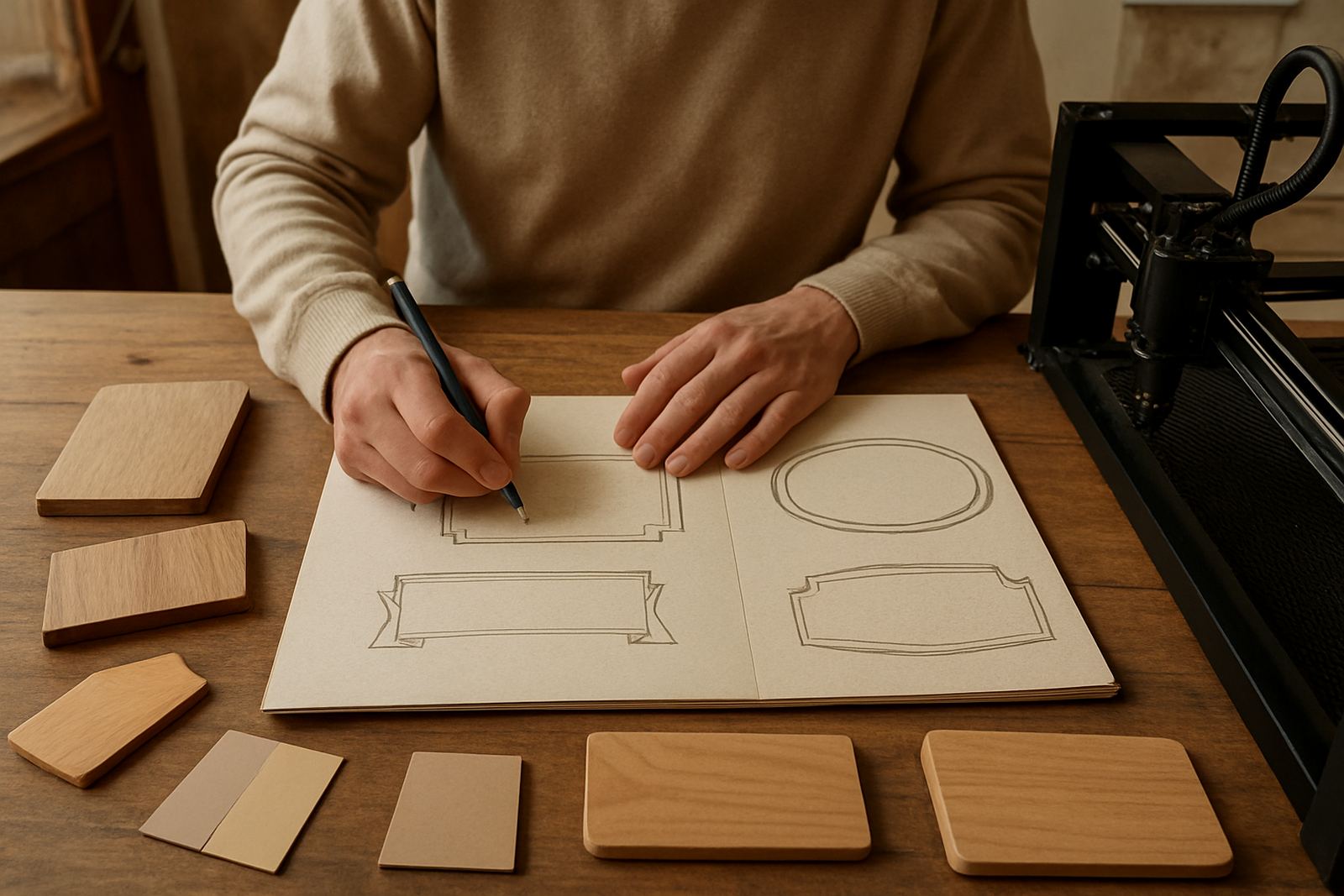
Most sample jobs start with a short brief through the enquiry form on our contact page. Once we have your wording, rough dimensions, intended use and any reference images, we prepare the first draft for approval. If you need several options, we can make sample variations in one batch so you can compare them side by side.
For business clients, we often begin with a small prototype before moving on to bulk order production. For weddings and events, the sample may be used to confirm table decor, welcome sign scale or guest name layout. We keep the process practical and clear, with straight answers on what will work and what will not.
- Step 1: Submit your brief and target date
- Step 2: Confirm size, material and finish direction
- Step 3: We cut, engrave and assemble the sample
- Step 4: You review and approve changes before full production
Turnaround times and when to allow extra time
Prototype samples are usually turned around faster than larger runs, but timing depends on the complexity of the piece and how many options you want to compare. Simple engraved samples are more straightforward, while layered signs, painted finishes or multiple variations need more bench time and drying time. In the Western Cape, weather and humidity can also affect drying and sealing, especially near the coast around Strand, Gordon's Bay and Hermanus.
If your sample is needed for a meeting, market launch or venue sign-off, tell us the date at the start. We work with production slots carefully, and around peak periods such as wedding season or year-end corporate orders, it is best to leave a little extra room. Load-shedding can also slow dry times and finishing steps, so we build in realistic margins rather than promising impossible dates.
Pricing for samples and how quotes are calculated
Sample pricing is based on the size of the piece, the material selected, the amount of cutting or engraving needed, and whether assembly, sanding, staining or painting is included. A single simple sample costs less than a layered prototype with several revisions. If you later place a larger order, the sample fee may be considered as part of the total project depending on the brief and the amount of design work already completed.
We quote in Rand and keep the structure clear so you know what you are paying for. Courier packing and delivery are quoted separately when needed for clients outside Somerset West. For shops, offices and event planners, we can also price multiple samples in one go, which is often better value than ordering them one by one.
- Simple engraved sample
- Layered or assembled sample
- Painted or sealed sample
- Courier packing for delivery anywhere in South Africa
Materials, sizes and technical checks
Our prototype samples are made to test real production conditions, so we use the same workflow as the final job wherever possible. That includes laser cutting, wood engraving, edge cleanup and fitting checks. Typical sample sizes range from small gift pieces of around 80 mm to 150 mm, up to sign sections or panels of 300 mm to 600 mm, depending on what needs testing. If the final item is larger, we can still cut a representative section for detail review.
We also check how the piece behaves after sealing, especially on wood that may move slightly with humidity. Coastal clients often want to know how a finish will hold up in shop windows, reception areas or covered outdoor spaces. If needed, we can suggest a finish plan that reduces movement and keeps the surface easier to dust and maintain.
- Common thicknesses: 3 mm, 6 mm, 9 mm and 12 mm board
- Typical sample scale: full size or 1:2 detail section where practical
- Finish options: raw, sealed, stained or painted
- Suitable for indoor use and many sheltered indoor-outdoor applications
Maintenance intervals after approval
Once a prototype is approved and the full order is in production, we recommend checking the sample against the final item whenever a repeat order is placed or the design is updated. For business signage and interior branding pieces, this is usually every 6 to 12 months, especially if the piece is exposed to sunlight, cleaning products or busy customer areas. For weddings and one-off gifts, the sample is mainly kept as a reference for future wording, sizes or matching orders.
If you are using the approved sample as a display piece, a light dusting and dry storage are usually enough for sealed timber items. Avoid soaking, harsh chemicals and prolonged direct sun. In humid areas like Somerset West and along the coast, keeping the sample flat and indoors helps prevent warping and keeps the finish looking neater for longer.
Who uses prototype samples most often
Prototype samples are useful for anyone who wants to see and handle the product before a larger commitment. Wedding planners use them for signage sets and table decor, retailers use them to test branding pieces in store, and businesses use them to approve corporate gifts or reception signage. Homeowners also ask for samples when they want a personalised item to match a room, shelf or outdoor area.
Whether you are ordering one item or a full batch, the sample stage gives you a proper reference point. It is easier to approve a 1 metre sign, a gift name plaque or a layered logo piece once you have seen the actual material, finish and scale in your hands. That is often the difference between a decent idea and a finished piece that fits the space properly.
Key facts
| Sample material options | Birch plywood, MDF, hardwood offcuts and selected board types |
|---|---|
| Typical thicknesses | 3 mm, 6 mm, 9 mm and 12 mm |
| Common sample sizes | 80 mm to 600 mm, depending on the item |
| Turnaround | Usually a few working days, subject to design and finishing |
| Pricing basis | Material, size, complexity, assembly and finish |
| Delivery areas | Somerset West, Stellenbosch, Cape Town, Paarl, Hermanus and nationwide courier |